
Planting
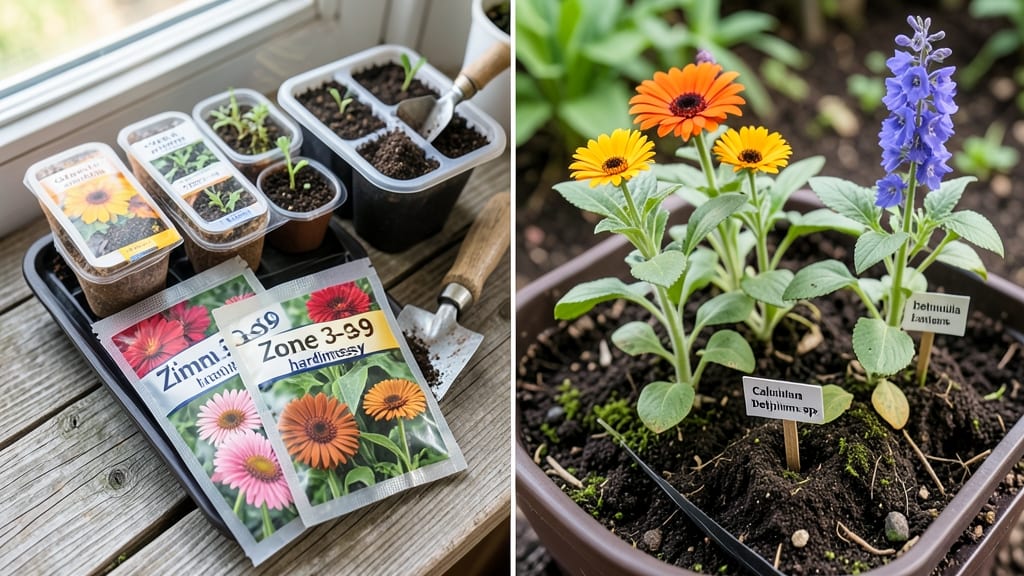
Zone 5’s unpredictable springs and frosty falls demand flowers that fight back—like cosmos that bounce back after snow or coneflowers that laugh at early freezes. 🌱 I’ve learned which seeds actually deliver color year after year, not just the ones that promise it.
The key? Planting at the right time and picking varieties bred to handle our swings from 20°F mornings to 90°F afternoons.
Start with cold-hardy annuals like sweet alyssum and lobelia, which handle light frosts, and pair them with perennials like black-eyed Susans and Russian sage—both come back stronger every spring. My secret weapon?
A no-dig soil prep with compost before planting, so roots establish fast enough to outrun our sudden cold snaps. Most seeds go in after last frost (around mid-May for most of Zone 5), but fall planting works for biennials like foxgloves.
By summer’s end, you’ll have vibrant borders that don’t flop when July hits 85°F, and fall blooms that last until the first hard frost. The best part? These flowers multiply naturally, so you’ll have free plants to share (or guilt-free replacements for the ones deer nibble).
Zone 5 gardening isn’t about fighting nature—it’s about working with its quirks.
Pro tip: Label everything—those early spring shoots look identical until they bloom. And if you’re new to Zone 5, start with 3-5 varieties to avoid overwhelm. Trust me, your first year will be embarrassingly productive once you pick the right seeds.
📚 In This Guide
- What you need
- Instructions
- Tips and common mistakes
- Wrapping up and next steps
What you need
- ● Flower seeds (Zone 5-hardy varieties like Black-eyed Susans, Coneflowers, or Marigolds—check seed packets for cold tolerance).
- ● Seed-starting mix (sterile, well-draining potting soil, 1–2 bags, ~1 cubic foot each).
- ● Seed trays or small pots (biodegradable or plastic, 50–100 cells or 4–6" pots).
- ● Grow lights or sunny windowsill (if starting indoors; LED grow lights work best).
- ● Watering can or spray bottle (with a fine mist nozzle for seedlings).
- ● Plant labels (to track varieties, 100+ labels if planting many types).
- ● Garden trowel or transplanting tool (for moving seedlings outdoors).
- ● Gloves (gardening or nitrile, to protect hands).
- ● Pruners or scissors (for trimming dead foliage later).
- ○ Row covers or frost cloth (optional, for early spring protection).
- ● Heating mat (for indoor seed starting, $15–$30).
- ● Fertilizer (balanced, 5-10-5 or 10-10-10, for transplanting).
- ● Mulch (straw or shredded leaves to retain moisture).
- ● Compost (to enrich garden soil before planting).
Step-by-step guide to selecting and planting cold-hardy flower seeds for Zone 5
Zone 5’s chilly springs and unpredictable summers demand smart seed choices—here’s how to pick and plant flowers that come back stronger every year.
🌱 Step 1: Choose Perennials for Reliable Returns
Focus on perennial seeds labeled as hardy to Zone 5 (or colder). Coneflowers, black-eyed Susans, and Russian sage are my top picks—they survive winters and bloom reliably for years. Check seed packets for days to maturity and light requirements—most need full sun but tolerate partial shade.
I always cross-reference with local nursery recommendations. For example, purple coneflower (Echinacea purpurea) thrives in Zone 5 and attracts pollinators. Avoid annuals unless you’re okay with replanting yearly—perennials build root systems that outlast frost.
🌱 Step 2: Time Planting for Zone 5’s Short Growing Season
Start seeds indoors 6-8 weeks before your last frost date (typically early March in Zone 5). Use a seed-starting mix and keep soil at 65-75°F for germination. For direct sowing, wait until soil warms to 50°F—cold soil slows growth and invites rot.
I mark my calendar for April 15th as the earliest safe outdoor planting date in my area. If sowing later, opt for fast-growing varieties like snapdragons or lupines to beat summer’s heat. Always harden off seedlings by exposing them to outdoor conditions for 1-2 hours daily the week before transplanting.
☀️ Step 3: Prepare Soil and Plant for Longevity
Amend garden beds with 2-3 inches of compost before planting to improve drainage and fertility. Perennials hate soggy roots, so raise beds slightly if your soil drains poorly. Space seeds 1-2 inches apart (follow packet guidelines) and cover with ¼ inch of soil—deeper planting delays emergence.
Water gently after planting to settle soil around seeds. Mulch with 2 inches of straw to retain moisture and protect against temperature swings. I avoid overhead watering once seeds sprout—damp foliage invites fungal diseases like damping-off, which can kill seedlings overnight.
🌿 Step 4: Maintain Through Season for Year-Round Blooms
Water deeply 1-2 times weekly once plants establish (check soil 1 inch down—it should feel dry but not bone-dry). Fertilize lightly in spring with a balanced 10-10-10 formula, but avoid heavy feeding—too much nitrogen reduces blooms. Deadhead spent flowers regularly to encourage continuous reblooming.
In late fall, cut back perennials to 2-3 inches above ground and add a 2-inch layer of mulch. This protects roots during winter and breaks dormancy earlier in spring. I’ve found that Russian sage and catmint handle Zone 5 winters best with minimal care.
⏰ Step 5: Plan for Next Year’s Success
Take notes on which flowers thrived and which struggled. Divide overcrowded perennials in early spring before new growth starts. For example, bearded iris clumps every 3-4 years—split them in March for stronger blooms. Save seeds from reliable performers for future plantings.
Rotate planting locations yearly to prevent soil depletion. I dedicate a new bed each season to perennials, reserving old spots for annuals. This keeps the garden productive and reduces pest buildup. By next spring, your Zone 5 garden will reward you with bold, resilient blooms that outlast the frost.
Tips & tricks for perfect cold-hardy Zone 5 flower gardens
These insider tricks will help you turn your Zone 5 garden into a perennial powerhouse that blooms reliably year after year.
Seed Selection Strategy: When choosing perennials, prioritize varieties with multiple bloom cycles—like coneflowers or black-eyed Susans—which rebloom after deadheading. I've found that plants labeled "Zone 4 or colder" often handle Zone 5 winters even better than those labeled just for Zone 5. Always check for disease resistance on seed packets, as some varieties are bred to withstand common fungal issues in your region.
Indoor Starting Optimization: For that critical 6-8 week indoor starting window, use a seedling heat mat set to 75°F to speed germination—especially important when your last frost date is unpredictable. Place your seed trays under grow lights 12-14 hours daily rather than relying on natural light, which is often insufficient in early spring. I've seen germination rates double with this setup compared to window sills.
Soil Preparation Secret: Before amending with 2-3 inches of compost, test your soil's pH—most perennials prefer 6.0-7.0. If your soil is too acidic, add lime in the fall before planting. I also mix in vermiculite for better drainage, which is particularly important for Zone 5's heavy clay soils. This pre-treatment prevents the soggy root issues that plague many perennial gardens.
Winter Protection Hack: For your 2-inch fall mulch layer, use straw or shredded leaves instead of wood chips—which can rob nitrogen from the soil. In particularly harsh winters, add an extra 4-inch layer of mulch around newly planted perennials. I've protected Russian sage and catmint through -20°F winters using this method without any dieback.
Pro Tips for Flower Seeds For Zone 5
- These insider tricks will help you turn your Zone 5 garden into a perennial powerhouse that blooms reliably year after year.
- Seed Selection Strategy: When choosing perennials, prioritize varieties with multiple bloom cycles—like coneflowers or black-eyed Susans—which rebloom after deadheading.
- Indoor Starting Optimization: For that critical 6-8 week indoor starting window, use a seedling heat mat set to 75°F to speed germination—especially important when your last frost date is unpredictable.
Frequently asked questions
Got questions about growing flowers in Zone 5? You’re not alone! Here are answers to the most common concerns—so you can plant with confidence and enjoy stunning blooms all season long.
When is the best time to plant flower seeds in Zone 5?
For cool-season flowers (like pansies or snapdragons), sow seeds in early spring (March–April) or late summer (August–September) for fall blooms. Wait until after the last frost (usually mid-May) for heat-loving varieties (e.g., marigolds or zinnias). Check your local frost dates to time it perfectly!
Can I plant flower seeds in Zone 5 in the fall?
Many cold-hardy annuals and perennials (like sweet alyssum or calendula) thrive when sown in late summer or early fall. Plant 6–8 weeks before the first frost—this gives seeds time to germinate before winter slows growth. Just avoid frost-sensitive seeds (e.g., petunias) unless you’re starting them indoors.
What if my flower seeds don’t germinate in Zone 5’s cool climate?
Zone 5’s chilly, damp soil can delay germination. To help:
- Use a seedling heat mat (70–75°F) for stubborn seeds.
- Soak seeds overnight before planting to soften hard coats.
- Choose pre-treated seeds (marked “cold-hardy” or “fast-germinating”).
- Start indoors 4–6 weeks before the last frost for finicky varieties.
Are there easy flower seeds for beginners in Zone 5?
Yes! Try these low-maintenance, cold-tolerant picks:
- Cosmos – Drought-resistant, self-seeds easily.
- Nasturtiums – Edible, pest-repellent, and thrive in poor soil.
- Calendula – Pest-deterring and great for cut flowers.
- Sunflowers – Fast-growing and cheerful (try ‘Moulin Rouge’ for Zone 5).
Can I reuse flower seeds from last year’s plants?
It depends! Many self-pollinating annuals (like marigolds or zinnias) produce viable seeds for 1–2 years if stored properly. To save them:
- Let flowers fully dry on the stem, then harvest seeds.
- Store in a cool, dry place (paper envelope or jar) for up to 2 years.
- Avoid seeds from hybrid or F1 varieties—they often don’t grow true.
Wrapping up and next steps
Growing flower seeds for Zone 5 is a rewarding journey that brings color, life, and beauty to your garden—even in cooler climates! 🌸 With the right cold-hardy varieties, proper planting techniques, and a little patience, you’ll enjoy vibrant blooms year after year.
Whether you’re a beginner or a seasoned gardener, these resilient flowers prove that you can create a stunning garden no matter where you live.
Now that you’re armed with the best seeds and tips, take the next step: sketch your garden layout, mark planting spots, and set a reminder for your first frost dates. Soon, your backyard will burst with color—one seed at a time! 🌱