
Planting
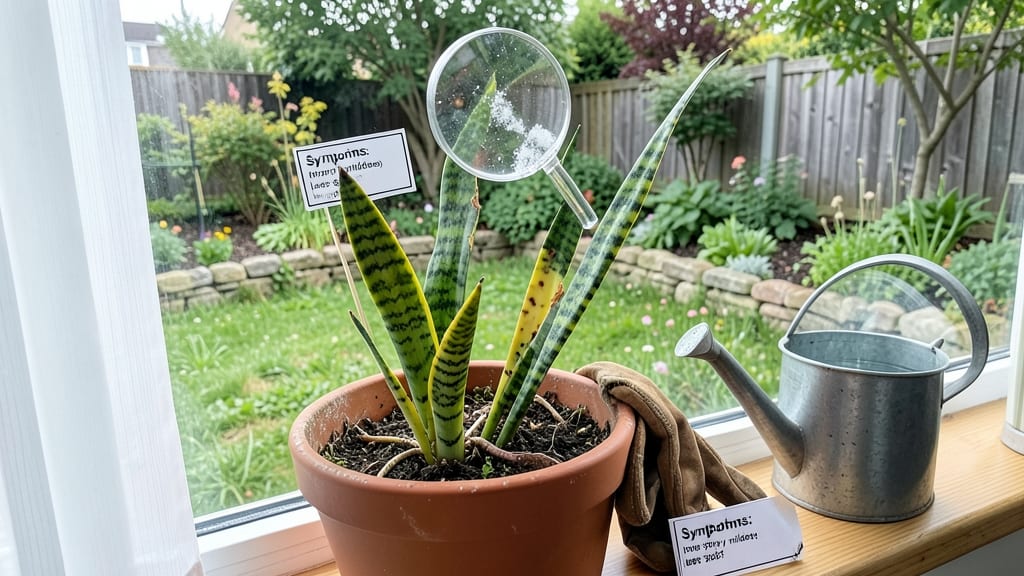
Your plant’s leaves are speaking—you just need to learn the language with a free plant diagnosis. 🌿 Yellowing edges, brown spots, or holes? Each symptom tells a different story, and knowing the difference means the difference between saving your plant or watching it decline.
This guide turns plant mysteries into clear, actionable fixes so you can diagnose issues faster than you can say "overwatered."
The most common problems—like powdery mildew, aphids, or nutrient deficiencies—have telltale signs you’ll recognize after just a few minutes of observation. Take photos of the underside of leaves, the soil, and the whole plant before posting for expert feedback.
Most issues fall into three categories: watering woes, pest invasions, or environmental stress, and each has a targeted solution.
By the end, you’ll spot problems early and know whether to adjust your watering, spray neem oil, or move the plant to better light. The key is acting fast—some fixes take minutes, while others (like fungal diseases) need immediate attention to prevent spread.
No green thumb required. Even if your plant looks beyond saving, you’ll learn what went wrong so next time, you’ll catch it early. Let’s decode those leaf messages together!
Root Causes Of Leaf Problems
Plants are like nature’s canaries—they signal distress long before symptoms become severe. If you’ve noticed yellowing, spots, wilting, or other leaf issues, the problem likely stems from one (or more) of these five core causes.
Understanding why it happens is the first step to fixing it—without guessing or overwatering (yes, that’s a real culprit!).
Plants need water, but too much is just as deadly as too little. When roots sit in soggy soil, they suffocate, starving the plant of oxygen and nutrients.
This leads to: - Yellowing leaves (especially lower ones) – A classic sign of root rot. - Mushy, black stems – Fungal infections thrive in waterlogged soil. - Wilting despite wet soil – Roots can’t absorb water efficiently when drowned.
Why it happens:
- Compacted or clay-heavy soil holds water like a sponge, preventing drainage.
- Overpotting or using containers without drainage holes traps excess moisture.
- Ignoring the "soak-and-dry" rule – Many plants prefer slightly dry soil between waterings.
Actionable fix: Let the top 1–2 inches of soil dry out before watering again. If your plant is already suffering, repot it in well-draining soil (like a mix of potting soil and perlite) and check for root rot.
While overwatering is a silent killer, chronic dehydration is equally damaging. Plants wilt, leaves crisp, and growth stalls when they don’t get enough water.
Look for: - Brown, crispy leaf edges – A classic sign of thirst. - Drooping or limp leaves that don’t bounce back after watering. - Premature leaf drop – The plant sacrifices leaves to conserve moisture.
Why it happens:
- Forgetting to water (or assuming "hardy" plants don’t need attention).
- Small pots drying out too fast – Shallow containers evaporate moisture quickly.
- Hard water buildup – Mineral deposits can clog soil, reducing water absorption.
Actionable fix: Water deeply until it drains from the bottom, then wait until the topsoil feels dry. For drought-prone plants, use a moisture meter or group them together to retain humidity.
Plants are picky eaters—lack of key nutrients shows up as distinct leaf symptoms.
For example: - Yellowing between veins (chlorosis) → Iron or magnesium deficiency (common in alkaline soil). - Purple or red stems/leaves → Phosphorus shortage (needed for flowering/growth). - Slow growth with pale leaves → Nitrogen deficiency (the "green juice" of plants).
Why it happens:
- Poor-quality soil – Depleted nutrients after repeated plantings.
- Over-fertilizing with synthetic salts – Can burn roots and lock out nutrients.
- pH imbalances – Acid-loving plants (like azaleas) wilt in alkaline soil, while succulents struggle in soggy, nutrient-rich mixes.
Actionable fix: Test your soil (DIY kits are cheap!) and amend with compost or slow-release fertilizer. For quick fixes, use chelated iron for chlorosis or fish emulsion for nitrogen.
Tiny invaders and pathogens sap your plant’s strength, leading to leaf damage, stunted growth, or death.
Common culprits: - Aphids, spider mites, or whiteflies – Sap-sucking pests leave sticky residue (honeydew) and yellowed, curled leaves. - Fungal infections (powdery mildew, rust) – White or orange spots on leaves, often in humid conditions. - Bacterial leaf spot – Dark, water-soaked marks that spread quickly.
Why it happens:
- Weak plants (stressed by poor care) are easier targets.
- High humidity + poor airflow – Fungi and pests thrive in crowded, damp spaces.
- Bringing infected plants indoors – Outdoor pests hitchhike on new greenery.
Actionable fix: Isolate affected plants, wipe leaves with neem oil (natural pesticide), and improve airflow. For fungal issues, reduce humidity and avoid overhead watering.
Plants are sensitive to their surroundings—too much sun, cold drafts, or sudden temperature swings can shock them into distress.
Watch for: - Sunburnt leaves (bleached or crispy patches) → Too much direct sunlight. - Brown leaf tips → Low humidity (common with indoor heating). - Yellow patches on one side → Drafts or uneven light exposure.
Why it happens:
- Moving plants abruptly – Sudden light changes cause shock.
- Cold windowsills – Drafts from AC or open windows damage foliage.
- Heat stress – Leaves curl or scorch in hot, dry conditions.
Actionable fix: Gradually acclimate plants to new light conditions (a process called hardening off). Use pebble trays with water to boost humidity near heat sources, and avoid placing plants in high-traffic or drafty areas.
Pro Tip: 🌡️ Most leaf problems start underground or in the environment. Before blaming pests, check soil moisture, light exposure, and drainage—you’ll solve 80% of issues with these basics!
Quick Fixes for Common Leaf Problems
Diagnosing plant health issues is just the first step—now it’s time to revive your green friend with targeted solutions! Below, we’ve mapped the most common leaf problems to practical fixes, along with prevention tips to keep your plants thriving long-term.
Whether it’s yellowing, spots, wilting, or stunted growth, these steps will help you turn things around fast.
Cause: Too much water, lack of nutrients, or poor drainage. Fix It:
- 🔥 Adjust Watering: Let the top 1–2 inches of soil dry out before watering again. Stick your finger in the soil—if it’s soggy, hold off!
- 🍳 Repot if Needed: If roots are rotting (smelly, mushy), trim the bad roots and repot in fresh, well-draining soil.
- 👨🍳 Feed Your Plant: Use a balanced liquid fertilizer (like 10-10-10) every 4–6 weeks during growing season.
- 🌡️ Check Drainage: Ensure pots have drainage holes and use a mix with perlite or sand.
💡 Pro Tip: Yellow leaves on older plants (bottom leaves) are normal aging—focus on new growth. If new leaves are yellow, it’s a nutrient issue!
Cause: Dry air, inconsistent watering, or salt buildup from tap water. Fix It:
- ⏰ Water Deeply: Soak the soil until water drains out the bottom, then empty the saucer to prevent root rot.
- 💦 Boost Humidity: Place a tray of water near the plant or use a humidifier. Grouping plants together also helps!
- 🔪 Trim Damaged Leaves: Snip off crispy edges with clean scissors to redirect energy to healthy growth.
- 🌡️ Use Room-Temp Water: Let tap water sit out for 24 hours to reduce chlorine/salt buildup.
✨ Prevention: Mist leaves lightly in the morning (avoid evening to prevent fungal growth).
Cause: Fungal infections (like powdery mildew), bacterial spots, or pests (aphids, spider mites). Fix It:
- 🔥 Isolate the Plant: Prevent spreading to other plants while treating.
- 🍳 Clean Infested Areas: Wipe leaves with a neem oil solution (1 tsp neem oil + 1 quart water + drop of dish soap) or rubbing alcohol (70% isopropyl) for pests.
- 👨🍳 Prune Severely Damaged Leaves: Cut off spots with ½-inch of healthy tissue below.
- 🌡️ Improve Airflow: Thin out crowded foliage and avoid overhead watering.
🎯 Prevention:
- 💡 Rotate plants weekly for even sunlight.
- ✨ Spray preventive neem oil every 2 weeks during humid months.
Cause: Underwatering, root-bound plants, or sudden temperature changes. Fix It:
- 🔥 Check Soil Moisture: If dry, soak the pot thoroughly. If mushy, it’s overwatered—let it dry out.
- 🍳 Repot if Root-Bound: Gently remove the plant and loosen roots if circling the pot. Use a slightly larger container.
- 👨🍳 Trim Dead Roots: Snip black/mushy roots with sterilized scissors.
- 🌡️ Adjust Light: Move to bright, indirect light (no harsh midday sun).
💡 Quick Revival: Place the pot in a shallow tray of water for 10–15 minutes to hydrate roots (for severely thirsty plants).
Cause: Lack of sunlight, compacted soil, or weak roots. Fix It: - 🔥 Move to Brighter Light: Most plants need 6+ hours of indirect light daily.
South-facing windows are ideal. - 🍳 Loosen Soil: Gently fork through compacted soil to improve aeration. - 👨🍳 Fertilize Lightly: Use a low-nitrogen fertilizer (like 5-10-5) to encourage root growth. - 🌡️ Check for Root Bound: If roots are circling, repot into fresh soil.
✨ Prevention: Rotate plants monthly for even growth and avoid over-fertilizing (burns roots).
Cause: Fungal infection from high humidity and poor airflow. Fix It:
- 🔥 Remove Infected Leaves: Prune heavily affected areas immediately.
- 🍳 Spray Fungicide: Mix 1 tsp baking soda + 1 quart water + drop of soap, then spray every 7–10 days until gone.
- 👨🍳 Improve Airflow: Space plants apart and avoid crowded pots.
- 🌡️ Water at the Base: Avoid wetting leaves to prevent spores from spreading.
💡 Pro Tip: Prevent recurrence by wiping leaves with a damp cloth weekly during humid seasons.
Frequently asked questions
How do I take the best photos for a free plant diagnosis?
Use natural light and include close-ups of symptoms (like spots or holes) plus a full-plant shot. Capture the underside of leaves (pests often hide there) and show the soil and pot too. Take 3-4 photos from different angles—this helps experts spot subtle clues faster.
Can I diagnose my plant myself without posting photos?
Yes! Start by checking the soil moisture, leaf texture, and growth pattern. Compare symptoms to our visual guide—yellowing edges often mean overwatering, while brown spots could signal fungal issues. If unsure, post photos for a second opinion from experts who’ve seen thousands of cases.
What’s the fastest way to fix yellow leaves?
First, check the soil—if it’s soggy, let it dry out completely. For nutrient issues, use chelated iron (for yellowing between veins) or fish emulsion (for pale new growth). Prune yellowed leaves to redirect energy, and avoid overwatering—most yellow leaves recover within 2-4 weeks with proper care.
Will my plant recover from severe pest damage?
It depends! If pests (like spider mites) are still active, isolate the plant and treat with neem oil or insecticidal soap immediately. For heavy damage, prune affected areas and monitor closely. Many plants bounce back with consistent care—just act fast before pests spread to other plants.
How often should I get a free plant diagnosis?
Check your plants weekly for new symptoms—early diagnosis saves them! Post photos when you notice unusual changes (like spots, wilting, or stunted growth). Seasonal shifts (like winter dry air or summer heat) often trigger issues, so don’t hesitate to ask for help during these transitions.