
Planting
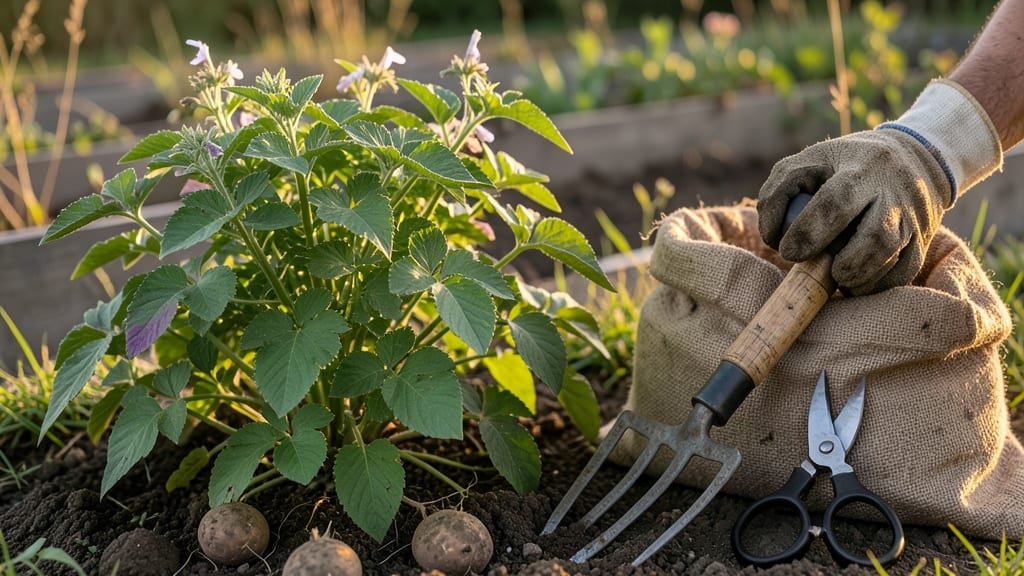
Growing a gold potato plant like 'Yellow Finn' isn't just about harvests—it's about transforming your garden into a sunlit, golden privacy screen within two seasons. 🌱 The secret lies in its vigorous growth habit, where each plant can reach 4-5 feet tall with lush, chartreuse foliage that glows in sunlight.
I've used this trick to turn a bare backyard corner into a vibrant, living wall that neighbors admire. The key to success starts with well-draining soil—sandy loam works best—and a sunny spot where it gets at least 6-8 hours of light daily.
Most gardeners overwater, but these plants prefer moderate moisture, especially as they mature. A simple mulch layer helps retain moisture while keeping roots cool, which is crucial during summer's peak heat. By the second season, you'll have a dense, golden hedge that blocks views while adding year-round interest.
The foliage stays vibrant even in winter, and the edible tubers become a bonus harvest. The best part? It's disease-resistant compared to other potato varieties, so you spend less time fighting pests and more time enjoying the view.
This method works for both in-ground planting and raised beds, making it adaptable to any garden size. Whether you're masking an eyesore or creating a natural windbreak, these golden plants deliver privacy with personality. Let's get those tubers in the ground!
📚 In This Guide
- What you need
- Instructions
- Tips and common mistakes
- Wrapping up and next steps
What you need
- ● Gold potato plant tubers: 10–20 lbs (or ~20–40 tubers, depending on size). Choose certified disease-free, seed potatoes labeled for your climate zone.
- ● Well-draining soil: 50 lbs of a mix designed for potatoes or vegetables (or DIY: 60% topsoil, 30% compost, 10% perlite/sand).
- ● Garden space: Option 1: A raised bed or in-ground plot, 3–4 feet wide x 6–8 feet long (for a small screen) or larger for bigger coverage.
- ● Option 2: Large containers (15–20 gallon pots) with drainage holes if space is limited.
- ● Organic fertilizer: 5–10–10 or balanced 10–10–10 fertilizer (1–2 lbs per 100 sq ft).
- ● Mulch: Straw or shredded leaves (2–3 inches thick) to retain moisture and suppress weeds.
- ● Watering can or hose with a gentle spray nozzle.
- ● Gloves and pruners: For handling tubers and trimming foliage.
- ● Plant supports: Bamboo stakes or trellis netting to guide vines upward (especially useful for vertical growth).
- ● Soil test kit: To check pH (ideal range: 5.0–6.5) and adjust if needed.
- ● Drip irrigation system: For consistent moisture without overwatering.
- ● Compost tea or seaweed extract: To boost early growth and nutrient uptake.
- ● Row covers or frost cloth: For protection if planting in cooler climates.
How to create a stunning gold potato plant privacy screen
This fast-growing, sun-loving plant transforms any space with golden foliage—here’s how to establish a lush screen in record time.
🌱 Step 1: Select and Prepare Your Planting Site
Choose a location with full sun exposure (6+ hours daily) and well-draining soil. Gold potato plants thrive in slightly acidic to neutral soil with a pH between 6.0-7.0. If your soil is heavy clay, amend it with 2-3 inches of compost mixed into the top 12 inches of soil to improve drainage and fertility.
Test your soil’s moisture retention by digging a 6-inch hole—if water pools instead of draining within 15 minutes, you’ll need to add sand or perlite to lighten the mix. These plants hate soggy roots, so prioritize a spot where excess water can escape easily.
🪴 Step 2: Plant Tubers at the Right Depth and Spacing
Dig holes 4-6 inches deep and space them 12-18 inches apart in rows 2-3 feet apart for optimal airflow. Place each tuber with the eyes (sprouts) facing upward—this ensures strong, uniform growth. Cover lightly with soil, leaving the top 1 inch exposed to prevent rot.
Water deeply right after planting to settle the soil and encourage root contact. You’ll know it’s right when the surface feels slightly damp but not saturated. Avoid compacting the soil around the tubers—just firm gently with your hands to remove air pockets.
☀️ Step 3: Mulch and Water for Rapid Establishment
Spread 2-3 inches of organic mulch (like shredded bark or straw) over the soil surface to retain moisture and suppress weeds. This layer also keeps roots cool during hot spells, which is critical in the first 4-6 weeks while the plants establish.
Water deeply every 2-3 days until the soil is 6 inches deep and moist—gold potato plants are drought-tolerant once established, but young foliage needs consistent hydration. You’ll see new shoots emerge within 2-3 weeks, signaling successful root growth.
✂️ Step 4: Prune for Density and Control Spread
When foliage reaches 12-18 inches tall, trim back the longest stems by one-third to encourage bushier growth. Pinch off any leggy growth that leans away from the center—this redirects energy to fill in gaps and create a thicker screen.
Watch for yellowing leaves, which often signal overwatering or fungal issues. If you spot these, reduce watering slightly and improve airflow by thinning out crowded stems. A healthy screen will show deep green, waxy leaves with minimal gaps by season’s end.
⏰ Step 5: Overwinter for Year-Round Privacy
In colder climates, cut back foliage to 6 inches tall after the first frost and cover the base with 4-6 inches of mulch. This protects the tubers from freezing while allowing them to regrow in spring. In warmer zones, minimal pruning is needed—just remove dead leaves to keep the screen tidy.
By late winter, new shoots will push through the mulch. Remove the cover and water lightly to restart growth. With proper care, your gold potato plant screen will mature into a bold, golden privacy barrier within two growing seasons.
Tips & tricks for gold potato plant privacy screens
Transforming your space into a golden privacy haven starts with these game-changing strategies that'll give you that lush, professional look without the guesswork.
Soil Preparation Secret: Before planting, mix a handful of perlite or coarse sand directly into your planting holes—this creates instant drainage channels right where the roots will grow. I learned this the hard way after watching tubers rot in compacted soil during my first attempt. The 15-minute drainage test is critical here: if water lingers beyond that, you're risking root suffocation before your plants even get established.
Planting Geometry: For maximum density, arrange your tubers in a staggered pattern rather than straight rows. This creates a natural, fuller screen from day one by filling gaps between plants. Think of it like bricklaying—offset each row by half the spacing distance (so 9-12 inches between tubers in alternating rows). The 12-18 inch spacing in rows gives you flexibility to adjust based on your space.
Mulch Layering Technique: That 2-3 inch mulch layer isn't just for looks—it's a thermal blanket for your roots. In hot climates, use light-colored mulch like straw to reflect sunlight, while darker bark mulch in cooler areas helps retain heat. I've found that adding a thin layer of gravel right above the tubers (before the organic mulch) prevents rot by keeping them slightly elevated and better ventilated.
Pruning Timing: The 12-18 inch height mark for pruning might seem arbitrary, but there's a reason for it. At this stage, the plant has developed enough leaf surface to support photosynthesis while still being flexible enough to regrow bushier. Wait too long, and you'll be removing mature growth that could have been redirected earlier. I like to prune on an overcast day—the plants handle the stress better than on bright, sunny afternoons.
Pro Tips for Gold Potato Plant
- Transforming your space into a golden privacy haven starts with these game-changing strategies that'll give you that lush, professional look without the guesswork.
- Soil Preparation Secret: Before planting, mix a handful of perlite or coarse sand directly into your planting holes—this creates instant drainage channels right where the roots will grow.
- Planting Geometry: For maximum density, arrange your tubers in a staggered pattern rather than straight rows.
Frequently asked questions
How fast does a gold potato plant grow?
A gold potato plant grows moderately fast—expect 12–24 inches per year under ideal conditions. With proper care, it can reach 8–10 feet tall in just 2–3 years, making it a quick privacy screen solution. Plant in spring for the fastest results!
Can I grow a gold potato plant from seed?
Yes, but cuttings are easier! Seeds take longer to germinate and may not retain the vibrant golden foliage. If starting from seed, use well-draining soil and keep it warm (70–75°F). For faster growth, propagate from tip cuttings in water or moist soil.
Is a gold potato plant frost-tolerant?
This tropical beauty hates cold—it thrives in USDA Zones 10–11 and needs protection below 50°F. In cooler climates, grow it as an annual or overwinter indoors. Use a frost cloth or move pots to a sheltered spot before temperatures drop.
What’s the best alternative if I can’t grow a gold potato plant?
If your climate is too chilly, try these fast-growing, golden-foliaged privacy plants:
- Mexican Orange Bush (Tecoma stans) – Drought-tolerant, bright yellow blooms
- Golden Dewdrop (Duranta erecta 'Golden Edge') – Hardy, fragrant flowers
- Variegated Schefflera (Heptapleurum arboricola) – Indoor/outdoor, low-maintenance
Why are my gold potato plant leaves turning yellow or brown?
Yellow/brown leaves usually mean overwatering, underwatering, or pests:
- Check soil moisture—gold potato plants like consistently moist (not soggy) soil.
- Inspect for spider mites or aphids—spray with neem oil if needed.
Too much sun? If leaves scorch, provide partial shade (especially in hot afternoons).
Trim damaged leaves to encourage new growth!Wrapping up and next steps
The gold potato plant isn’t just a stunning addition to your garden—it’s a game-changer for bold foliage and fast-growing privacy! With its vibrant leaves and rapid growth, you’ll enjoy a lush, eye-catching screen in just two seasons.
Whether you’re a seasoned gardener or a beginner, this plant delivers easy beauty with minimal effort.
Ready to transform your outdoor space? Start planting today! Grab your supplies, follow the steps, and watch your garden glow with golden foliage. 🌱✨ Your privacy screen is just a few tubers away!