
Planting
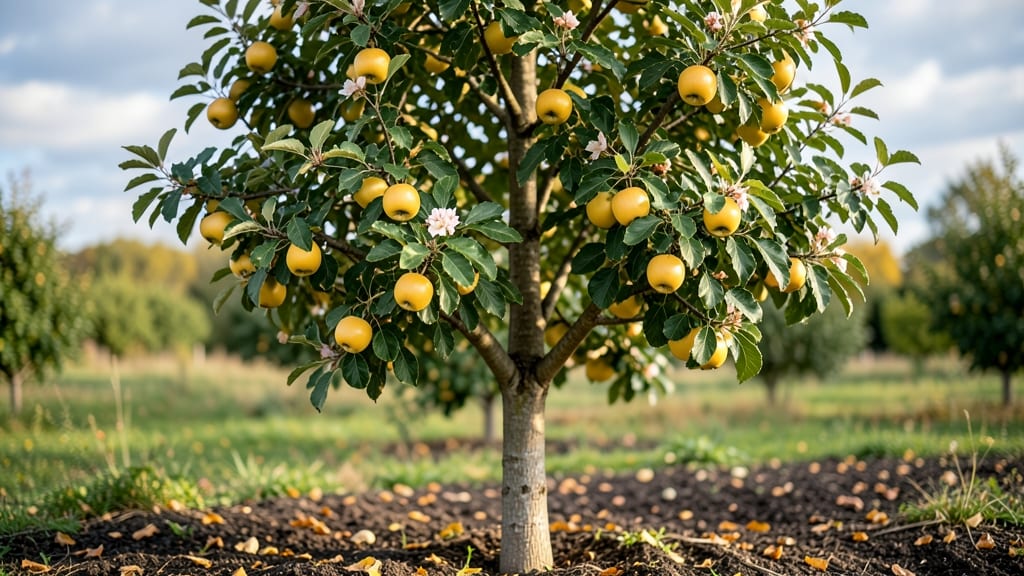
Growing the golden apple plant (Solanum capsicoides) means golden-yellow fruits that taste like a mix of apple and tomato—and they keep producing all year if you live in warm climates. 🌱 I’ve grown mine in pots on my patio for three seasons now, and the key to success isn’t complicated: it’s about sunlight, well-draining soil, and letting the plant do its thing without fuss.
The plant thrives in full sun to partial shade, tolerates drought once established, and actually hates soggy soil—so raised beds or containers with drainage holes are your best friends. Pruning? Almost none needed unless you want to shape it or encourage bushier growth.
The real magic happens when you let those tiny yellow fruits ripen on the vine, which they’ll do throughout the year in mild winters.
You’ll end up with a low-maintenance shrub that doubles as an edible ornament—the fruits are tart-sweet, perfect for jams, sauces, or fresh snacking. The plant’s glossy leaves and delicate flowers add texture to any garden, too.
It’s the kind of plant that rewards patience with easy, abundant harvests and barely any work.
Whether you’re growing it in a container on a balcony or planting it in the ground, this golden apple plant is one of those rare varieties that delivers on both beauty and productivity without demanding much in return. Here’s how to get started without overcomplicating it.
📚 In This Guide
- What you need
- Instructions
- Tips and common mistakes
- Wrapping up and next steps
What you need
- ● Seeds or Seedlings: 3–5 Golden Apple Plant seeds (if starting from seed) or 1–2 healthy seedlings (for faster growth).
- ● Pro tip: 💡 Choose organic, non-GMO seeds for the best flavor and yield!
- ● Growing Containers (if applicable): 2–3 large pots (12–18 inches in diameter) with drainage holes, or
- ● A raised bed (at least 12 inches deep) for in-ground planting.
- ● High-Quality Potting Mix: 5–10 gallons of well-draining, organic potting soil (mix in perlite or coconut coir for aeration).
- ○ Optional: Add compost (10–20%) for extra nutrients.
- ● Fertilizer: Balanced, slow-release fertilizer (e.g., 10-10-10) or organic options like fish emulsion or worm castings.
- ● Support System: 1–2 bamboo stakes or tomato cages (4–6 feet tall) to support vining growth.
- ● Watering Supplies: Watering can or hose with a gentle spray nozzle.
- ● Pro tip: 🌡️ Use a moisture meter to avoid over/under-watering!
- ● Mulch (straw or shredded leaves) to retain moisture and suppress weeds.
- ● Pruning shears (sterilized with rubbing alcohol) for minimal maintenance.
- ● Shade cloth (30–50%) if growing in hot climates to protect young plants.
- ● Row covers (floating fabric) to deter pests like aphids or flea beetles.
- ● pH testing kit (ideal soil pH: 6.0–6.8 for optimal growth).
How to grow a golden apple plant for year-round harvests
Here's how I keep my golden apple plant thriving with almost no fuss—just a few key techniques.
🌱 Step 1: Select the Right Variety and Planting Location
Golden apple plants (like the Malus floribunda or Crataegus varieties) thrive in full sun but tolerate partial shade. Choose a mature specimen with vibrant foliage and a sturdy trunk—look for labels indicating "golden" or "yellow" fruit varieties. I always plant mine where it gets at least 6 hours of direct sunlight daily, though 8+ hours produces sweeter fruit.
Check your hardiness zone—most golden apple plants handle zones 4-9, but some tropical varieties need zone 10+. If you're in a cooler climate, plant in spring after the last frost. In warmer zones, fall planting works best. The key is giving roots time to establish before extreme temperatures arrive.
🪴 Step 2: Prepare the Soil and Plant Correctly
Golden apple plants prefer well-draining soil with a slightly acidic to neutral pH (6.0-7.0). Amend heavy clay soil with 2-3 inches of compost mixed into the top 12 inches of soil. I avoid fresh manure—it can burn roots and attract pests. For container growing, use a mix of 50% potting soil, 30% perlite, and 20% compost.
Dig a hole twice as wide as the root ball but only as deep—planting too deep suffocates the roots. Gently loosen any circling roots before placing the plant in the hole. Backfill with native soil, firming lightly around the base. Water deeply right after planting to settle the soil and eliminate air pockets. You'll know it's right when the soil surface looks slightly compressed but not crusty.
☀️ Step 3: Water Deeply and Maintain Consistent Moisture
Golden apple plants have shallow roots, so they need 1-1.5 inches of water weekly, more during fruit development. I water deeply at the base—never overhead—to prevent fungal diseases like apple scab. Let the top 2 inches of soil dry out between waterings2-3 inches of organic mulch (like shredded bark) to retain moisture and suppress weeds.
Overwatering is the biggest mistake—yellowing leaves or wilting despite wet soil means you're drowning the roots. If this happens, let the soil dry completely for a week before resuming normal watering. In containers, check soil moisture daily during summer heat; pots dry out much faster than ground soil.
✂️ Step 4: Prune Strategically for Year-Round Fruit
Golden apple plants need minimal pruning, but a little effort ensures continuous harvests. Prune in late winter or early spring before new growth starts. Remove dead, diseased, or crossing branches first—these compete for energy and invite pests. Then, thin out 20-30% of the oldest wood to encourage new, fruiting branches.
For year-round fruit, I focus on light pruning after each harvest. Trim back 1/3 of the current season's growth to stimulate bushier growth. Avoid heavy pruning—it stresses the plant and reduces next year's yield. Always use clean, sharp pruners to make clean cuts just above a leaf node or outward-facing bud.
🌿 Step 5: Fertilize and Monitor for Pests
Feed your golden apple plant in early spring with a balanced 10-10-10 fertilizer applied at half strength. I avoid high-nitrogen fertilizers—they promote leafy growth at the expense of fruit. In midsummer, switch to a low-nitrogen, high-phosphorus fertilizer (like 5-10-10) to support fruit development. Water the soil thoroughly before and after applying fertilizer to prevent root burn.
Watch for common pests like aphids, spider mites, or codling moths. I treat aphids with a strong spray of water first—most dislodge easily. For persistent infestations, use neem oil or insecticidal soap. Prevent codling moths by wrapping the trunk with tree banding material in early spring to trap overwintering larvae.
Tips & tricks for growing golden apple plants
These simple strategies will help you maximize your golden apple plant's potential while keeping maintenance to a minimum.
Sunlight Optimization: While the instructions mention 6 hours of sunlight daily, I've found that positioning your plant near a south-facing window or using a grow light for 2-3 hours in the evening can make a noticeable difference in fruit sweetness, especially in partial shade locations. The extra light mimics summer conditions and encourages consistent fruiting year-round.
Soil Preparation Insight: When amending heavy clay soil with 2-3 inches of compost, I recommend adding 1/4 cup of perlite or coarse sand to the mix. This improves drainage without altering the soil's natural structure, which is crucial for preventing root rot in golden apple plants. The key is maintaining that slightly acidic to neutral pH—test your soil if you're unsure.
Watering Strategy: The 1-1.5 inches of water weekly guideline works well, but I adjust based on weather. During summer heat waves, I increase to 2 inches weekly while monitoring the top 2 inches of soil for dryness. Pro tip: Use a rain gauge or measuring cup to track water amounts—your hose's "light spray" setting might not deliver what you think!
Pruning Precision: When thinning out 20-30% of oldest wood during winter pruning, focus on branches that are thinner than a pencil. These older branches often produce less fruit and compete with younger growth. For year-round harvesting, I also remove any suckers growing from the base—they drain energy that could go toward fruit production.
Pro Tips for Golden Apple Plant
- These simple strategies will help you maximize your golden apple plant's potential while keeping maintenance to a min...
- Sunlight Optimization: While the instructions mention 6 hours of sunlight daily, I've found that positioning your pla...
- Soil Preparation Insight: When amending heavy clay soil with 2-3 inches of compost, I recommend adding 1/4 cup of per...
Frequently asked questions
Got questions about growing and maintaining your golden apple plant? You’re not alone! Here are some of the most common queries—plus straightforward answers to keep your plant thriving with minimal fuss.
How often should I water my golden apple plant?
Water your golden apple plant when the top 1–2 inches of soil feel dry. Overwatering is the #1 killer—stick to every 7–10 days (adjust for humidity/climate). Pro tip: Yellow leaves? You’re likely overdoing it. Brown, crispy edges? Time to hydrate!
When will my golden apple plant bear fruit?
Patience is key! With ideal care (sunlight, soil, and time), your plant may produce tiny edible fruit in 1–2 years. Some varieties take longer—don’t rush it! Bonus: Even non-fruiting plants add stunning foliage to your space.
Can I grow a golden apple plant indoors?
Place it near a south-facing window or under grow lights (12+ hours/day). Use well-draining pots and rotate the plant weekly for even growth. Watch out: Indoor plants may fruit less abundantly than outdoor ones.
Are the fruits safe to eat?
Yes! Golden apple plant fruits are non-toxic and edible—though they’re not as sweet as store-bought apples. Use them in jams, teas, or savory dishes. Caution: Always confirm your plant’s variety (some look-alikes are toxic).
Why are my leaves turning yellow or dropping?
Yellow leaves usually mean overwatering or poor drainage. Dropping leaves? Check for underwatering, pests (like spider mites), or root rot. Fix it: Adjust watering, repot if needed, and inspect for bugs.
| Quick Fixes | Symptom |
|---|---|
| Reduce water + check pot drainage | Yellow leaves |
| Neem oil spray + isolate plant | Pests (whiteflies, aphids) |
| Move to brighter light + fertilize | Leggy growth |
Wrapping up and next steps
The golden apple plant is a fantastic choice for gardeners seeking low-maintenance, year-round beauty and harvests! With minimal pruning needs and vibrant, fragrant blooms, it’s perfect for both beginners and seasoned plant lovers.
Whether you’re drawn to its stunning flowers or the promise of fresh fruit, this plant delivers easy elegance and abundance—just give it the right care, and it’ll thrive.
Ready to bring home your own golden apple plant? Start by gathering your supplies (like well-draining soil and a sunny spot) and dive in—your garden (and taste buds!) will thank you. Happy planting! 🌱✨