
Planting
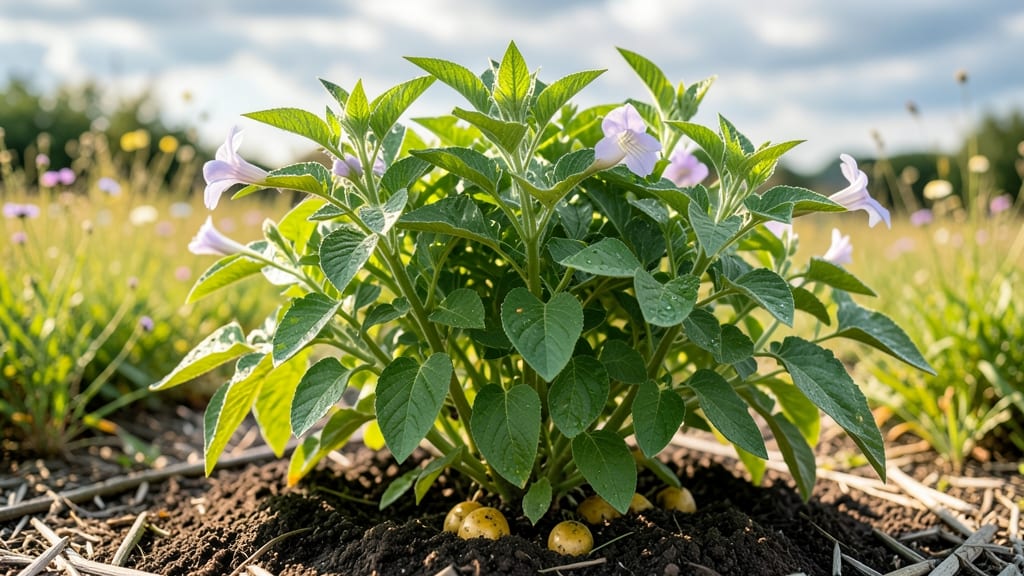
Growing a golden potato plant—whether it’s the striking Sedum rupestre 'Golden Potato Vine' or a flavorful heirloom like 'Yukon Gold'—transforms your garden into a cascade of golden charm or a bountiful harvest. 🌱 I’ve nurtured both varieties, and the key to success lies in mimicking their natural preferences: well-draining soil, bright light, and just enough water to keep roots happy without drowning them.
The golden potato plant thrives in full sun to partial shade, making it perfect for containers, hanging baskets, or sunny garden beds. For Sedum, a mix of potting soil and perlite ensures drainage, while edible varieties benefit from loose, compost-rich soil.
Water when the top inch feels dry—overwatering is the fastest way to turn vibrant foliage into a sad, mushy mess.
By mid-summer, you’ll see trailing tendrils of golden foliage or—if growing tubers—plump, buttery potatoes ready to harvest. Prune Sedum to encourage bushier growth, and for edible varieties, hill soil around stems to reveal more tubers. The payoff? A plant that’s as disease-resistant as it is productive.
Whether you’re chasing ornamental beauty or a homegrown harvest, this plant delivers. Adapt care for containers or in-ground planting, and you’ll have a year-round showstopper—or dinner staple. Let’s get growing!
📚 In This Guide
- What you need
- Instructions
- Tips and common mistakes
- Wrapping up and next steps
What you need
- ● Seeds or certified organic seed potatoes: 1–2 lbs of Solanum phureja (golden potato) seeds or seed potatoes (cut into 2-inch chunks with at least 2–3 "eyes" each).
- ● Containers or garden bed: For containers: 5–10 gallon pots with drainage holes (1–2 pots per plant).
- ● For in-ground planting: Loose, well-draining soil with a pH of 5.0–6.5.
- ● High-quality potting mix: 1–2 bags of organic, peat-free potting soil (or a mix of compost, perlite, and coconut coir).
- ● Fertilizer: Balanced organic fertilizer (e.g., 5-5-5 or compost tea) or slow-release granules.
- ● Watering can or hose with a gentle spray nozzle.
- ○ Garden twine or stakes (optional but recommended for support).
- ● Grow lights or a sunny windowsill (if indoors).
- ● Mulch (straw or grass clippings) to retain moisture.
- ● Pest deterrents (neem oil, diatomaceous earth, or row covers).
- ● pH testing kit to monitor soil acidity.
- ● Harvesting tool (small garden fork or trowel).
Step-by-step guide to growing golden potato plants for year-round harvest
This method transforms humble tubers into a thriving, high-yielding golden potato plant—no green thumb required.
🌱 Step 1: Select and Prepare Seed Potatoes
Choose certified disease-free seed potatoes with at least 2-3 eyes each. Cut larger tubers into 2-ounce pieces, ensuring each has 1-2 eyes. Let the cut pieces cure at room temperature for 24 hours—this prevents rot and encourages strong sprouts.
I always use organic seed potatoes because conventional ones may carry chemical residues that inhibit growth. Place them in a bright, cool spot (50-60°F) for 4-6 weeks to develop 1-inch sprouts. You'll see tiny green shoots emerge from the eyes—this is your signal they're ready for planting.
🪴 Step 2: Choose Containers and Fill With Lightweight Mix
For a 4-plant setup, use 5-gallon fabric grow bags or 12-inch deep containers with drainage holes. Fill each with a blend of 60% peat-based potting mix and 40% perlite—this ensures excellent drainage while retaining moisture. Avoid garden soil; it compacts and suffocates roots.
Leave 2 inches of space at the top for mulch and watering. I like to add a handful of composted cow manure to the bottom layer for slow-release nutrients. The mix should feel like a damp sponge—not soggy, but never bone-dry.
☀️ Step 3: Plant and Provide Warmth for Germination
Place your sprouted seed potatoes 4 inches deep in the center of each container, with sprouts facing upward. Cover lightly with additional mix, leaving the top 1 inch exposed to sunlight. Water gently until moisture reaches the bottom—you'll know it's right when water runs out the drainage holes.
Keep containers in a warm spot (65-75°F) with bright indirect light for 3-4 weeks. You'll notice the sprouts turn green and grow 4-6 inches tall before flowering. This pre-germination phase is critical—rushed planting leads to weak stems that snap under tuber weight.
💧 Step 4: Gradually Increase Light and Water
Once stems reach 6 inches, move containers to a location with 6+ hours of direct sunlight daily. I use a south-facing windowsill or grow light on a 14-hour timer. Rotate pots weekly to prevent lopsided growth—you'll see stems lean toward the light if they're not getting even exposure.
Water when the top 2 inches of soil feel dry—stick your finger in to check. Overwatering causes rot, while underwatering stresses the plant. When flowers appear, reduce water slightly to encourage tuber development. You'll notice the plant focus energy underground instead of upward.
✂️ Step 5: Harvest and Encourage Continuous Growth
After 8-10 weeks, gently brush aside soil to check for 1-inch tubers. Harvest these "new potatoes" first—they're tender and perfect for immediate use. Leave the plant intact and add 2 inches of straw mulch to retain moisture and protect tubers from light (which turns them green and bitter).
Continue watering and fertilizing lightly every 4 weeks with fish emulsion. Your plant will produce 3-5 harvests per year if you maintain consistent care. The key is patience—each flush of tubers takes 6-8 weeks to mature fully.
Tips & tricks for perfect golden potato plants
Mastering year-round golden potato growth is all about patience and precision—these tricks will help you avoid common pitfalls and maximize your harvest.
Sprout Development: The 4-6 weeks of pre-sprouting at 50-60°F is non-negotiable. I've learned this the hard way—rushing this phase often results in weak stems that can't support tuber weight later. Look for those 1-inch sprouts before planting; they should be firm and vibrant green, not leggy or yellowed. This tells you the potato is ready to handle the stress of transplantation.
Container Selection: Fabric grow bags are my top recommendation for golden potato plants because they allow roots to breathe while preventing the soil from becoming waterlogged. If you're using rigid containers, make absolutely certain they have drainage holes—waterlogged roots will kill your plants before they produce a single tuber. The 12-inch depth specification isn't arbitrary; shallower containers restrict root growth, which directly limits your harvest potential.
Light Transition Strategy: Moving your plants to direct sunlight at the 6-inch mark is crucial, but don't make this transition too abruptly. I recommend doing it over 2-3 days, increasing sunlight exposure by 2 hours each day. This gradual acclimation prevents sunburn on the delicate leaves. Once established, rotate your containers weekly to ensure even growth—you'll notice stems leaning toward the light if they're not getting uniform exposure.
Harvest Timing: The 8-10 week mark for your first harvest is a guideline, not a strict deadline. Gently brush aside the soil to check for 1-inch tubers, but don't be afraid to wait a few more weeks if you're not seeing much yet. I've found that patience here pays off—waiting for slightly larger tubers (1.5-2 inches) means fewer harvests but larger, more flavorful potatoes. The key is to harvest when the tubers are firm but still tender, not when they've started to shrivel.
Pro Tips for Golden Potato Plant
- Mastering year-round golden potato growth is all about patience and precision—these tricks will help you avoid common pitfalls and maximize your harvest.
- Sprout Development: The 4-6 weeks of pre-sprouting at 50-60°F is non-negotiable.
- Container Selection: Fabric grow bags are my top recommendation for golden potato plants because they allow roots to breathe while preventing the soil from becoming waterlogged.
Frequently asked questions
How long does it take for a golden potato plant to produce tubers?
A golden potato plant typically takes 90–120 days to mature, depending on the variety and growing conditions. If you’re growing in containers, tubers may form slightly faster (around 70–90 days) because they’re less stressed. Pro tip: Harvest early for smaller, sweeter potatoes or wait for larger yields!
Can I grow golden potatoes indoors or in a small space?
Golden potatoes thrive in containers (like 5-gallon buckets or fabric grow bags) as long as they get 6+ hours of sunlight daily or grow lights. Use well-draining soil and rotate the pot weekly for even growth. Bonus: This method is perfect for apartments or urban gardens!
Why aren’t my golden potato plants producing tubers?
If your plant is flowering but no tubers appear, check these common issues:
- Not enough light: Potatoes need full sun (6+ hours/day). Move to a sunnier spot or add grow lights.
- Poor soil: Use loose, nutrient-rich soil (like compost or potting mix). Avoid heavy clay.
- Overwatering: Keep soil moist but not soggy. Too much water can rot tubers.
- No hilling: Pile soil around stems (every 2–3 weeks) to encourage tuber formation.
Still stumped? Try a different variety—some golden potatoes (like ‘Yukon Gold’) are more forgiving!
Are golden potatoes different from regular potatoes in taste or nutrition?
Yes! Golden potatoes (like Yukon Gold) have a creamy, buttery texture and a slightly sweeter, nuttier flavor than russets. Nutritionally, they’re packed with vitamin C, potassium, and antioxidants—plus, they’re lower in calories and higher in fiber. Perfect for: roasting, mashing, or even eating raw in salads!
What’s a good alternative if I can’t grow golden potatoes?
If golden potatoes don’t thrive in your climate, try these easy-to-grow alternatives:
- Red Potatoes: Disease-resistant and great for baking.
- Fingerling Potatoes: Compact and flavorful—ideal for containers.
- Sweet Potatoes: Heat-loving and packed with vitamin A.
- Purple Potatoes: Antioxidant-rich and visually stunning!
All of these can be grown from seed potatoes or slips, just like golden varieties!
Wrapping up and next steps
The golden potato plant isn’t just a trend—it’s a game-changer for home gardeners and food lovers alike! With its vibrant foliage, edible greens, and nutrient-packed tubers, this versatile plant turns your space into a year-round harvest hub.
Whether you’re a seasoned gardener or just starting, its low-maintenance charm makes it the perfect addition to any garden.
Ready to dive in? Start small—grow a few plants in containers or your backyard, experiment with recipes, and watch your confidence (and harvest!) grow. Happy planting! 🌱✨