
Planting
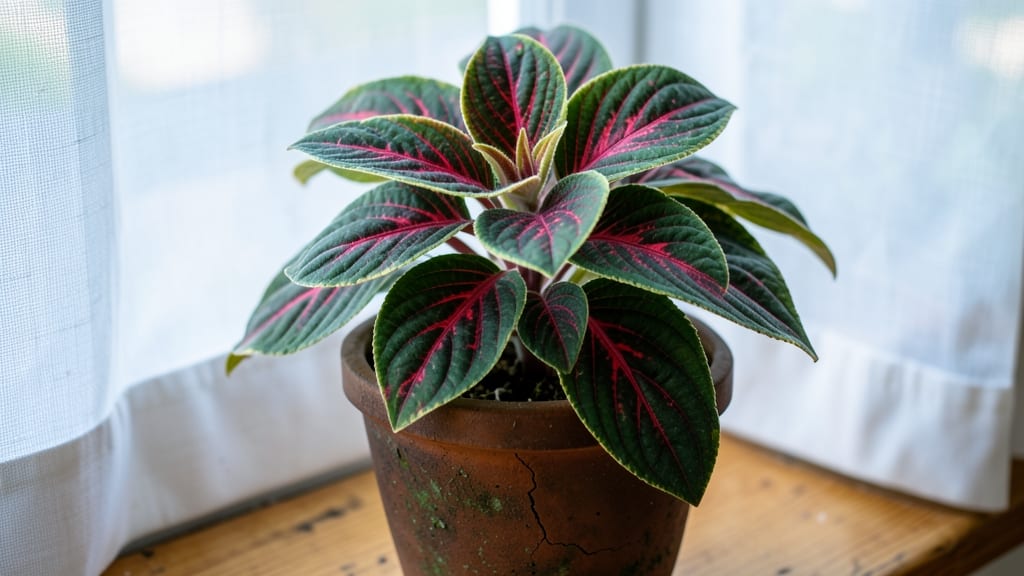
A stunning green leaf red veins plant is a variegated beauty like Coleus, Swedish Ivy (Plectranthus verticillatus), or certain Caladiums, where vibrant burgundy veins stand out against lush green foliage. These plants thrive with bright indirect light and consistent moisture to maintain their bold coloration and prevent leaf stress.
These striking plants owe their dramatic appearance to a natural phenomenon called variegation, where chlorophyll and anthocyanin pigments create contrasting patterns. 🌿 The red veins typically result from genetic mutations that reduce chlorophyll production in certain leaf areas, while anthocyanins add the rich red hues.
However, too much direct sunlight can cause these pigments to fade over time, so I always recommend placing them near a north- or east-facing window where they get plenty of light without harsh exposure.
For optimal care, most of these plants prefer well-draining soil and benefit from regular misting to maintain humidity levels. Swedish Ivy, for example, can tolerate slightly drier conditions, while Caladiums appreciate a more consistently moist environment.
Pruning spent leaves helps encourage new growth and keeps the plant's vibrant colors looking their best throughout the growing season.
💡 In This Article
- Why Red Veins in Green Leaves Create Such Dramatic Foliage
- Optimal Care Tips for Preserving Red-Veined Green Leaf Plants
Why red veins in green leaves create such dramatic foliage
The vibrant contrast in green leaf red veins plants stems from a fascinating botanical process called variegation. This occurs when chlorophyll—the green pigment responsible for photosynthesis—is unevenly distributed in the leaves.
Areas with less chlorophyll reveal other pigments, like the deep red anthocyanins that create those striking veins. 🌱 These pigments aren't just for show; they often protect the plant from excessive sunlight by absorbing harmful UV rays, which is why you'll see the red veins intensify in brighter conditions.
Genetic mutations play a key role in creating this effect. For example, in Coleus plants, a single recessive gene can trigger the production of red or purple veins by disrupting normal chlorophyll distribution.
The result is a leaf that's mostly green (photosynthetically active) but with bold red accents that add visual drama. Swedish Ivy takes this a step further by combining green leaves with maroon veins that can even deepen to near-black in low light, creating a stunning contrast.
The intensity of these red veins is directly tied to light exposure. Too much direct sunlight can cause the anthocyanins to break down, leading to faded or washed-out colors.
On the other hand, insufficient light may reduce chlorophyll production entirely, causing the leaves to turn pale or yellow. 🌿 The sweet spot is bright indirect light, which maintains the balance between chlorophyll and anthocyanin production.
This is why these plants often thrive near east-facing windows where they receive gentle morning sunlight without the harsh afternoon rays.
Temperature also influences color vibrancy. Cooler temperatures can enhance anthocyanin production, making the red veins appear more pronounced. This is why many variegated plants develop deeper colors in fall or winter.
For instance, Caladiums—another plant with striking red-veined leaves—often show their most vivid hues when temperatures drop slightly, making them popular for seasonal displays. The interplay between light, temperature, and genetics creates the perfect storm for these visually stunning plants.
What's particularly interesting is how these pigments work together. Chlorophyll absorbs blue and red light for photosynthesis, while anthocyanins reflect red and orange wavelengths, creating the vivid contrast.
This dual-pigment system allows the plant to maximize both energy production and protective benefits. 💫 The result is a leaf that's not only beautiful but also highly efficient at surviving in various light conditions.
Understanding this process helps explain why some plants develop more intense colors than others. For example, a Coleus grown in a shaded spot might produce leaves with faint red veins, while the same plant in bright indirect light will showcase bold, deep red accents.
This adaptability is what makes these plants so rewarding to grow—they respond visibly to their environment, creating a living work of art.