
Planting
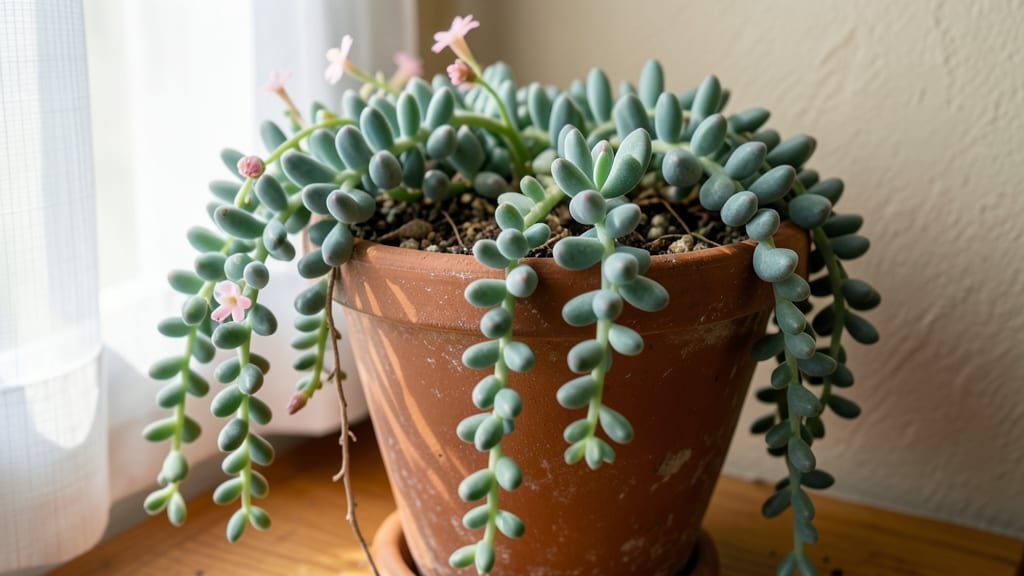
That green sticky residue on your plants isn’t just gross—it’s a sign of sap-sucking pests like aphids or scale insects feeding on your foliage. 🌿 The substance is honeydew, a sugary byproduct that attracts ants and promotes sooty mold, turning your leaves dull and weak.
Identifying the problem early is key, because once it spreads, it can stunt growth and even kill plants over time.
Most gardeners assume this issue requires harsh chemicals, but the truth is simpler: neem oil, insecticidal soap, or a strong spray of water can knock out these pests without harming your plants.
The trick is consistency—treat the plants every 5-7 days until the sticky residue disappears completely. I’ve used this method on roses, tomatoes, and even houseplants with great success.
Prevention starts with healthy plants—strong stems, good airflow, and regular inspections keep pests from taking hold in the first place. Introducing beneficial insects like ladybugs or lacewings can also give you a natural defense.
Once you’ve cleared the honeydew, your plants will bounce back with vibrant green leaves and renewed vigor.
This approach works for any plant, from vegetables to ornamentals, and avoids the need for toxic sprays. The key is acting fast—before the problem gets out of control. With the right care, your garden can stay pest-free and thriving all season long.
Understanding Sticky Residue Causes
If your green sticky plant (like sticky traps or glue boards) is losing its effectiveness—or worse, becoming a sticky mess itself—it’s usually due to one of three key factors. Let’s break down the science behind why this happens and how to prevent it.
Sticky traps rely on a viscous adhesive—often a petroleum-based or resin blend—that hardens or weakens depending on environmental conditions. Here’s how climate plays a role:
- Too Hot: High temperatures (above 90°F/32°C) can cause the adhesive to melt or soften, turning your trap into a gooey, ineffective blob. This is especially true for non-heat-resistant traps (like those made with polyisobutylene or acrylic adhesives).
- Too Cold: Freezing temps (below 40°F/4°C) can make adhesives brittle or flakey, reducing stickiness. Some traps even lose adhesion entirely if exposed to frost.
- High Humidity: Moisture weakens adhesive bonds over time, causing the sticky layer to dissolve or peel. This is why traps in greenhouses or damp climates fail faster.
💡 Pro Tip: If you live in extreme climates, opt for UV-resistant, heat-stable traps (like those with silicone-based adhesives) or store them indoors when not in use.
No sticky trap lasts forever—chemical breakdown is inevitable. The adhesive degrades due to:
| Factor | How It Affects Stickiness | Lifespan Impact |
|---|---|---|
| Oxidation (exposure to air) | The adhesive dries out and loses tackiness, especially if the trap is left uncovered. | Reduces effectiveness by 30-50% in 2-4 weeks. |
| UV Light (sun exposure) | Sunlight breaks down polymers in the adhesive, turning it crusty or powdery. | Outdoor traps lose stick in 1-2 weeks without protection. |
| Dirt & Debris | Particles clog the adhesive, creating a non-sticky layer on top. | Can render traps useless in 1 week if not cleaned. |
🔥 Fix It: Replace traps every 2-4 weeks (or sooner in harsh conditions). For long-term use, store unused traps in a cool, dark place (like a sealed container with silica gel packets).
Sticky traps work by immobilizing pests—but if too many bugs land at once, the trap can max out and stop functioning. Here’s why:
- Pheromone Traps: If a trap is overwhelmed with moths, flies, or beetles, the sticky surface becomes clogged with dead insects, preventing new pests from sticking.
- Adhesive Fatigue: Some traps use pressure-sensitive adhesives that weaken after repeated contact, especially with heavy-bodied pests (like stink bugs or wasps).
- Fermentation Smells: In fruit fly traps with yeast/bait, overripe bait can attract too many flies at once, causing the trap to fail prematurely.
🎯 Solution:
- Rotate traps every 1-2 weeks (even if they look full).
- Use multiple smaller traps instead of one large one to distribute pest load.
- For fruit fly traps, refresh bait every 3-5 days to maintain effectiveness.
Fixing Sticky Messes Naturally
Got a green sticky plant that’s more trouble than it’s worth? Whether your sticky traps are attracting too many pests, losing effectiveness, or becoming a sticky disaster, these targeted fixes will restore balance—without harsh chemicals. Below, we’ll tackle the most common issues with practical, step-by-step solutions.
Cause: Your sticky traps are too effective—pests are drowning faster than you can replace them, creating a gummy, smelly nightmare.
Fix It:
- 🔥 Rotate Trap Placement Move sticky traps every 3–5 days to fresh spots. Pests cluster where they’re already trapped, so disrupt their pattern. Pro Tip: Place new traps upside down for 24 hours to let old residue dry out before reuse.
- 🍳 Dilute the Sticky Base If traps are saturated, mix 1 part water with 2 parts sticky solution (or use a corn syrup + dish soap DIY blend: 1 cup syrup + 1 tbsp soap per gallon of water).
This thins the goo, making it less lethal but still effective.
- 👨🍳 Add a Barrier Layer Spray traps lightly with water or neem oil before reusing. This creates a non-stick shield that pests can’t cling to—then they’ll wander off instead of drowning.
Cause: Heat, UV rays, or old residue breaks down the adhesive over time.
Fix It:
- ⏰ Refresh with a Booster Spray Mix 1 part white vinegar + 1 part water in a spray bottle. Lightly mist traps to reactivate the glue. Let dry completely before reuse. Pro Tip: Store unused traps in a cool, dark place (like a fridge) to extend their shelf life by up to 3 months.
- 🎯 Reinforce with Natural Glue For stubbornly weak traps, brush on a thin layer of:
- Honey + water (1:1 ratio)
- Maple syrup + a drop of dish soap (for extra grip) Let dry for 1–2 hours before rehanging.
Cause: Bees, ladybugs, or hoverflies are getting stuck—hurting your garden’s ecosystem.
Fix It:
- 🔪 Use Selective Placement Hang traps away from flowers (at least 10 feet) and below eye level to avoid pollinators. Aim for low-hanging branches where pests like aphids or whiteflies lurk.
- 🌿 Add a "Safe Zone" Buffer Plant strong-scented herbs (basil, mint, or lavender) near traps. The fragrance repels pests but keeps beneficial bugs at bay.
- ✨ Switch to Yellow or Blue Traps If you’re targeting whiteflies or fungus gnats, use yellow sticky cards—they’re less appealing to bees. For fruit flies, opt for blue traps instead.
Cause: Dead insects emit odors that signal other pests to converge (like a buffet of decay).
Fix It:
- 🧹 Clean Up Promptly Remove traps every 2–3 days and replace them. Even dried-out traps can still emit smells. Pro Tip: Freeze traps for 10 minutes before disposal to kill any lingering pests.
- 🌡️ Use a "Decoy" Trap First Place a few empty traps near high-risk areas (like tomato plants) to distract pests before they reach your main traps.
- 🍎 Introduce Predatory Allies Encourage ladybugs, lacewings, or parasitic wasps by planting dill, fennel, or alyssum. These natural predators will reduce the need for sticky traps over time.
Prevention Checklist for Long-Term Success:
- ✅ Rotate traps every 5 days to avoid pest clustering.
- ✅ Store traps in airtight containers when not in use.
- ✅ Monitor trap locations—move them if beneficial bugs start visiting.
- ✅ Combine with neem oil sprays to weaken pest populations before they reach traps.
- ✅ Check for mold—if traps develop a white film, discard them and use fresh ones.
With these fixes, your sticky traps will work smarter, not harder—keeping pests in check while protecting your garden’s helpers. 🌱
Frequently asked questions
Is that green sticky residue on my plant harmful?
The sticky substance is called honeydew, produced by sap-sucking pests like aphids or scale insects. While it won't directly harm your plant, it attracts ants and promotes sooty mold, which can weaken leaves and reduce photosynthesis. Act fast to prevent long-term damage.
How do I identify if my plant has aphids or scale insects?
Look for tiny clusters of pests on stems or undersides of leaves. Aphids are green or black and move when disturbed, while scale insects appear as brown bumps that don't move. Use a magnifying glass if needed—early detection makes treatment easier.
Will neem oil kill beneficial insects along with pests?
When used properly, neem oil targets soft-bodied insects like aphids while being less harmful to beneficial bugs like ladybugs or bees. Apply in the evening when pollinators are less active, and avoid spraying flowers directly. Always follow package instructions for dilution.
How often should I check my plants for sticky residue?
Inspect your plants every 3-5 days during growing seasons. Check both upper and lower leaf surfaces, as pests often hide where they're less visible. Regular monitoring helps catch infestations before they become severe.
Can I use dish soap to treat sticky residue?
Yes! Mix 1 teaspoon of mild dish soap with 1 quart of water and spray directly on affected areas. The soap breaks down the pests' protective coating. Test on a small leaf first to ensure it doesn't damage your plant, and reapply every 5-7 days until the residue disappears.