
Planting
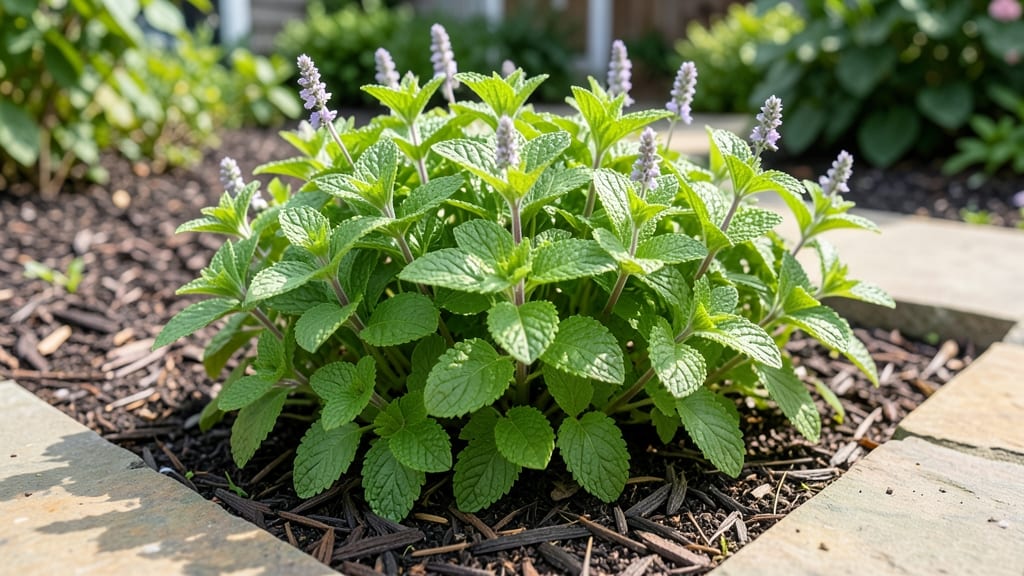
Growing a spearmint plant is faster than you’d expect—bold, fragrant leaves ready in just 6-8 weeks from seed. 🌿 I’ve watched this herb take over garden beds in a season, and the secret isn’t complicated: it thrives on neglect, spreads aggressively, and rewards patience with that signature minty punch.
The key? Getting the soil and sunlight right from the start.
You’ll need well-draining soil (mix in compost for extra vigor), a sunny spot with at least 6 hours of light daily, and patience—spearmint doesn’t mind if you forget to water, but it does hate soggy roots.
Plant seeds ½ inch deep, spacing them 12-18 inches apart (they’ll spread!). For cuttings, root them in water first to speed things up.
Harvest begins when leaves reach 3-4 inches tall, and the more you trim, the bushier it grows. Snip stems just above a set of leaves, and you’ll get continuous harvests all season.
The aroma alone makes it worth growing—imagine fresh spearmint tea, mojitos, or pest-repelling pots on your patio.
Watch for powdery mildew in humid climates (space plants for airflow) and keep an eye out for mint rust—both are easy to prevent with proper spacing and occasional pruning. Once established, spearmint’s fast-spreading roots make it nearly self-sufficient, though you’ll want to contain it or it’ll take over your garden.
📚 In This Guide
- What you need
- Instructions
- Tips and common mistakes
- Wrapping up and next steps
What you need
- ● Spearmint seeds (organic, non-GMO preferred) – 1 packet (approx. 500 seeds) or a spearmint plant (from a nursery or garden center).
- ● Well-draining potting mix – 5 gallons (look for a blend with 60-70% peat or coconut coir and perlite for aeration).
- ● Containers or garden bed: For containers: 5-gallon pots (at least 12" deep) with drainage holes – 2-3 pots (spearmint spreads!).
- ● For in-ground planting: Full-sun spot (6+ hours of sunlight daily) with loamy, moist soil (pH 6.0–7.0).
- ○ Compost or organic fertilizer – 1 cup (optional but boosts growth; use a balanced 10-10-10 or fish emulsion).
- ● Watering can or hose with a gentle spray nozzle.
- ● Garden trowel or small shovel (for transplanting).
- ● Pruning shears (to trim and encourage bushier growth).
- ● Glove (spearmint can be invasive—protect your hands!).
- ● Mulch (straw or shredded leaves, 1-2 inches) to retain moisture.
- ● Seed-starting kit (if growing from seeds indoors).
- ● Plant labels (spearmint looks like other mints—keep track!).
- ● Pest control (neem oil or insecticidal soap if aphids appear).
- ● Harvesting scissors (for clean cuts when ready to use!).
Step-by-step instructions for growing spearmint plant
Here's how to cultivate this vigorous herb with minimal effort and maximum flavor.
🌱 Step 1: Select the Perfect Location for Spearmint
Spearmint thrives in full sun to partial shade, with at least 4-6 hours of direct sunlight daily. Choose a spot with well-draining soil—spearmint hates soggy roots and will quickly rot if waterlogged. If your garden has heavy clay, amend the soil with 2-3 inches of compost before planting to improve drainage.
This herb spreads aggressively, so contain it in a 12-inch wide container or designate a corner of your garden with clear boundaries. I like to plant mine near the kitchen door—it's convenient for harvesting, and the strong aroma keeps pests away from nearby veggies. Watch for its rhizomes creeping; they'll spread 1-2 feet per year if unchecked.
💧 Step 2: Plant Spearmint Correctly for Fast Growth
For fastest results, start with a nursery-grown spearmint plant rather than seeds—it establishes roots and foliage 3-4 weeks sooner. Dig a hole twice as wide as the root ball but only as deep. Spearmint's roots are shallow, so burying too deep suffocates them. Gently loosen the roots if they're circling the pot before placing in the hole.
Space plants 18-24 inches apart to prevent overcrowding. If planting in containers, use a 5-gallon pot minimum for one plant—spearmint's roots need room to expand. Water deeply right after planting to settle the soil and eliminate air pockets around the roots. You'll know it's settled when the soil surface looks firm and no gaps remain.
☀️ Step 3: Water and Fertilize for Bold Aroma
Keep the soil consistently moist but never soggy—spearmint prefers 1 inch of water per week, either from rain or irrigation. Water at the base rather than overhead to prevent fungal diseases like powdery mildew, which thrives in damp foliage. You'll notice the leaves develop their signature strong scent when the plant receives regular moisture and sunlight.
Fertilize lightly every 4-6 weeks during the growing season with a balanced 10-10-10 fertilizer or organic compost. Over-fertilizing leads to leafy growth at the expense of flavor. I use a handful of worm castings in early spring—it boosts growth without burning the plant. Stop fertilizing in late summer to encourage hardiness before winter.
✂️ Step 4: Prune and Harvest for Long-Term Productivity
Harvest spearmint regularly to encourage bushier growth and stronger flavor. Pinch back the tips of new growth when stems reach 6-8 inches tall—this triggers branching and prevents leggy plants. For leaves, cut just above a set of leaves (where two leaves meet the stem) to stimulate new shoots. Harvest in the morning after dew has dried but before the sun is strongest.
Don't harvest more than one-third of the plant at a time, or you'll stunt its growth. I like to harvest every 2-3 weeks throughout the growing season, which keeps the plant compact and flavorful. In late fall, cut back the stems to 2-3 inches above ground level to prepare for winter. The plant will regrow in spring with minimal effort.
Tips & tricks for growing spearmint plant
Spearmint's vigorous growth means a few small details can make all the difference between a thriving plant and one that struggles. Here's what I've learned after watching mine spread from a single pot to a garden corner.
Sunlight Strategy: While spearmint tolerates partial shade, the boldest flavor comes from full sun exposure. If your location only gets 4-6 hours of direct sunlight, place the plant where it receives the most intense morning sun—this builds flavor intensity. I've noticed my morning-harvested leaves have twice the aroma compared to afternoon-only plants.
Container Containment: That 12-inch wide container recommendation isn't just about aesthetics—it's about control. Spearmint's rhizomes can spread aggressively, and without boundaries, they'll take over your garden. I use a heavy-duty pot with drainage holes and bury the sides slightly to prevent escape. For garden planting, create a barrier of landscape fabric around the planting area if you want to contain it.
Watering Wisdom: The 1 inch of water per week guideline assumes average rainfall. During dry spells, increase to 1.5 inches weekly and always water at the base. I've seen spearmint wilt dramatically when overwatered—its roots need oxygen, not a swampy environment. A simple test: stick your finger 1 inch into the soil; if it's dry, it's time to water.
Fertilizer Timing: That 4-6 weeks fertilization schedule is perfect for balanced growth, but timing matters. Apply fertilizer in early spring when new growth begins, not after the first flush of leaves appears. I've found that adding worm castings in late winter (before active growth) gives the plant a head start without burning it. Stop fertilizing by mid-summer to let the plant harden off before winter.
Pro Tips for Growing Spearmint Plant
- Spearmint's vigorous growth means a few small details can make all the difference between a thriving plant and one that struggles.
- Sunlight Strategy: While spearmint tolerates partial shade, the boldest flavor comes from full sun exposure.
- Container Containment: That 12-inch wide container recommendation isn't just about aesthetics—it's about control.
Frequently asked questions
How fast does spearmint grow, and when can I harvest it?
Spearmint grows fast—expect visible growth within 2–3 weeks of planting! You can start harvesting leaves once the plant reaches 6–8 inches tall (usually 6–8 weeks after sowing). For the best flavor, pinch off the top stems to encourage bushier growth and delay flowering.
Does spearmint come back every year, or do I need to replant it annually?
Spearmint is a perennial in USDA zones 5–10, meaning it’ll regrow year after year if given the right care. In colder zones, it may die back in winter but often returns in spring. Pro tip: Mulch around the base in fall to protect roots!
Why is my spearmint turning yellow or wilting? Common problems and fixes.
Yellow leaves often signal overwatering or poor drainage. Let soil dry slightly between waterings, and ensure pots/containers have drainage holes. Wilting can also mean underwatering or root-bound plants—check roots and repot if needed. Pests like aphids or spider mites may also attack; spray with neem oil if spotted.
Can I grow spearmint indoors, and what’s the best light setup?
Yes! Spearmint thrives indoors near a south- or west-facing window (6+ hours of sunlight daily). For lower-light spots, use a grow light 12 inches above the plant for 14–16 hours/day. Avoid drafts (like AC vents) and keep humidity moderate—mist leaves occasionally if air feels dry.
Is spearmint invasive? Should I grow it in containers?
Spearmint spreads aggressively via underground runners, making it invasive in gardens. Best practice: Grow it in containers (12+ inches deep) to control spread. If planting in-ground, use a deep root barrier or designate a dedicated patch. Harvest regularly to limit seed production!
What’s the difference between spearmint and peppermint? Can I grow them together?
Spearmint has a sweeter, milder flavor (great for teas and desserts), while peppermint is sharper and more medicinal. Never plant them together—their cross-pollination creates sterile hybrids. Keep them at least 30 feet apart or grow in separate containers.
Wrapping up and next steps
Growing spearmint is a rewarding journey that brings fresh, fragrant leaves to your kitchen and garden with minimal effort! 🌱 Whether you’re a seasoned gardener or just starting out, this hardy herb thrives with basic care—sunlight, water, and a little patience.
Now that you know the key steps and common pitfalls, it’s time to roll up your sleeves and give it a try.
Ready to harvest your first batch? Start by planting your spearmint cuttings or seeds this weekend—your future teas, cocktails, and homemade remedies are just sprigs away! 🍃