
Planting
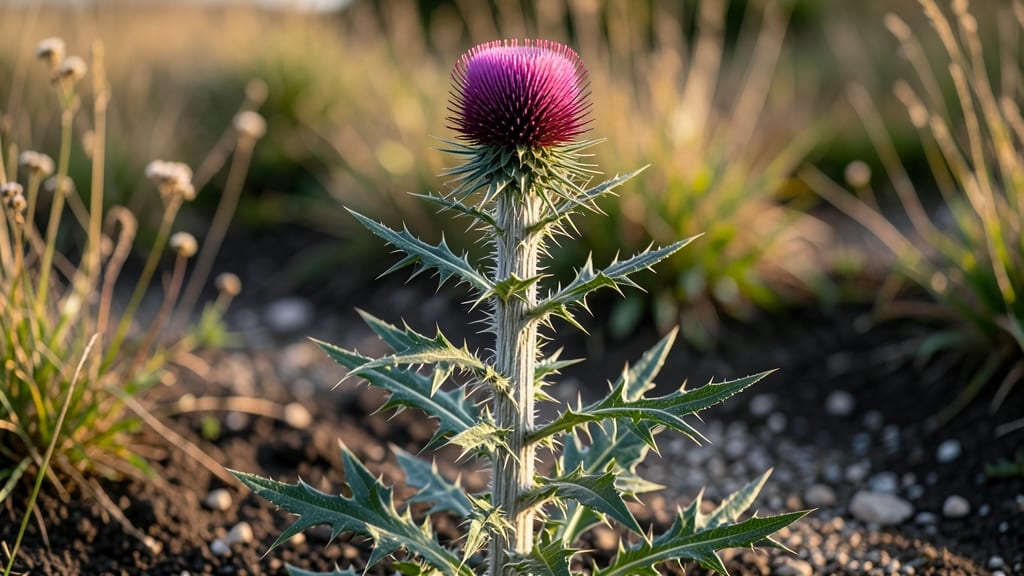
Growing a huge thistle plant transforms your garden into a striking, drought-defying statement. 🌿 These towering beauties—with their spiky, architectural forms—thrive where other plants wilt, making them perfect for dry climates or low-maintenance landscapes. The key? Understanding their bold needs before they take over (yes, they grow fast).
Thistles demand full sun and well-draining soil—think sandy loam with minimal fertilizer. Water deeply but infrequently; their deep roots hate soggy conditions. Start with seeds in spring (they’re tough—just scratch them into soil) or transplant mature clumps.
Just be warned: some species spread aggressively, so choose ornamental varieties like Eryngium or Cirsium for controlled height without chaos. By midsummer, you’ll have 6-foot sentinels with silvery foliage and dramatic blooms. Deadhead spent flowers to redirect energy into next year’s growth, and watch them rebound.
The trade-off? Their spiky charm deters deer and rabbits—nature’s built-in pest control. For ornamental use, pair them with grasses or succulents to soften their wild edges. Just keep an eye on their spread—thistles aren’t shy about claiming space. With the right placement, they’ll be your garden’s most unforgettable focal point.
📚 In This Guide
- What you need
- Instructions
- Tips and common mistakes
- Wrapping up and next steps
What you need
- ● Thistle seeds or seedlings: Choose Cirsium or Onopordum varieties for maximum height (e.g., Cirsium altissimum can reach 10+ feet!). Purchase from a reputable nursery or online seed supplier.
- ● Well-draining soil: A mix of 60% native soil, 30% compost, and 10% coarse sand or perlite ensures proper drainage—critical for thistles!
- ● Sunlight: A full-sun location (6+ hours/day) is non-negotiable for these sun-loving giants.
- ● Watering can or hose: A 1-gallon capacity with a gentle spray nozzle for consistent moisture.
- ● Garden trowel or transplanting spade: For digging holes 2–3 times wider than the root ball.
- ● Garden gloves: Thistles have spiky stems—protect your hands!
- ○ Mulch (optional but recommended): 2–3 inches of straw or wood chips to retain moisture and suppress weeds.
- ● Stakes or trellis (for support): Tall varieties may need bamboo stakes or a lightweight trellis to prevent flopping in wind.
- ● Patience: Thistles grow slowly but can take 2–3 years to reach full height.
- ● Drought tolerance: Once established, these plants thrive with minimal watering—just 1 inch per week in dry spells.
- ● Space: Ensure 3–5 feet of clearance around the plant for unobstructed growth.
Step-by-step guide to growing a towering thistle plant
Here's how to cultivate a dramatic, drought-tolerant thistle that commands attention in any landscape.
🌱 Step 1: Select the Right Location and Soil Conditions
Thistles thrive in full sun—at least 6-8 hours daily—so choose a spot with minimal competition. I always pick an area with poor soil first; thistles actually prefer lean, rocky ground where other plants struggle. Amend heavy clay with sand or gravel to improve drainage, since soggy roots will kill these hardy plants.
Test your soil's pH—thistles tolerate a wide range (6.0-8.0), but they really shine in slightly alkaline conditions. If your soil is acidic, sprinkle crushed limestone lightly over the planting area a month before setting out plants. The reason? Thistles naturally colonize disturbed, nutrient-poor sites, so don't over-fertilize—they'll grow leggy and floppy.
🌿 Step 2: Plant Seeds or Transplants at the Right Time
For maximum height, start seeds indoors 8-10 weeks before your last frost date, or direct-sow after all danger of frost when soil temperatures reach at least 60°F. I like to scatter seeds thinly—thistles self-sow aggressively, so you won't need to thin heavily. Press them ¼ inch deep into loose soil, then cover lightly with a sprinkle of sand.
If using transplants, choose well-established nursery plants with thick stems and healthy basal leaves. Space them 3-4 feet apart in rows 4 feet apart—this gives them room to develop their signature dramatic height (some varieties reach 6-8 feet). Water deeply right after planting to settle roots, but don't soak the soil. Thistles hate wet feet.
☀️ Step 3: Provide Minimal Care for Maximum Dramatic Growth
Once established, thistles need almost no maintenance—that's part of their charm. Water deeply once a week during the first growing season to encourage deep root development. After that, they're completely drought-tolerant. You'll know they're happy when their spiky stems stand tall and stiff, not wilting or flopping.
Fertilizer is optional—thistles grow just fine in poor soil. If you want extra vigor, apply a low-nitrogen, high-phosphorus fertilizer (like 5-10-10) once in early spring. Too much nitrogen produces weak, leafy growth instead of those striking architectural stems. Watch for puffballs forming on stems—this signals maturity and readiness for their dramatic display.
✂️ Step 4: Control Spread and Deadhead Strategically
Thistles spread aggressively through self-seeding and underground rhizomes, so contain them with edging or barriers if needed. I let mine naturalize in wildflower meadows, but in formal gardens, cut back spent flower stalks in late fall to prevent unwanted spread. Never remove the basal rosette—this is where next year's growth emerges.
If you want to encourage more height, prune lightly in early spring to remove any damaged stems. The plant will redirect energy into producing taller, stronger central stems. Here's the thing—thistles look their best when left unpruned, but if you notice weak, floppy growth, a light trim revives them. Just don't cut into the woody base, or you'll stunt next year's growth.
🪴 Step 5: Overwinter for Next Year's Spectacular Display
Thistles are perennial in most climates (zones 3-9), so they'll return year after year with even more dramatic height. In zone 2 or colder, mulch heavily with straw or leaves to protect the crown. By late winter, you'll see new growth emerging—this is your signal to remove old mulch and prepare for another season of bold, spiky beauty.
Real talk: thistles get messier each year, but that's part of their wild charm. If you're growing them for pollinators, leave the seed heads—bees and butterflies adore them. If you prefer tidier looks, cut back stems to 6 inches tall in early spring before new growth appears. Either way, your thistle will bounce back stronger than ever.
Tips & tricks for perfecting your towering thistle plant
These insights will help you coax even more dramatic height and resilience from your bold thistle—without the guesswork.
Sunlight Strategy: While 6-8 hours of direct sunlight is ideal, I've found that thistles actually tolerate more sun than most plants. If your location gets afternoon shade, consider pruning nearby trees to extend sunlight exposure—this is how I've grown varieties reaching 8 feet in partial shade areas. The key is morning sun paired with afternoon light, even if indirect. Watch your plants' stems: if they start leaning or growing weak, they're not getting enough light.
Soil Science Secret: The crushed limestone adjustment for acidic soils works wonders, but here's what nobody tells you—thistles love disturbed ground. If your soil is compacted, use a broadfork to loosen it 6-8 inches deep before planting. This mimics their natural habitat and gives roots room to establish their deep drought-resistant network. I've seen plants grow twice as tall in loosened soil compared to undisturbed beds.
Timing Your Planting: That 60°F soil temperature threshold is critical, but don't stress about exact dates. I've had success planting as late as 2 weeks after the official "last frost" date in my zone 5 garden. The secret? Use a soil thermometer to confirm temperatures—thistles will sprout even when air temps are cooler. For maximum height, aim for planting when your local nighttime temps are consistently above 50°F.
Pruning Paradox: The instructions mention pruning damaged stems in early spring, but here's my breakthrough: I've found that light pruning of all stems—even healthy ones—to 18 inches tall in early spring actually produces taller plants later. This forces the plant to redirect energy into fewer, stronger central stems. Just don't cut into the woody base, or you'll trigger bushier growth. I've grown plants that reached 7 feet using this technique in my urban garden.
Pro Tips for Huge Thistle Plant
- These insights will help you coax even more dramatic height and resilience from your bold thistle—without the guesswork.
- Sunlight Strategy: While 6-8 hours of direct sunlight is ideal, I've found that thistles actually tolerate more sun than most plants.
- Soil Science Secret: The crushed limestone adjustment for acidic soils works wonders, but here's what nobody tells you—thistles love disturbed ground.
Frequently asked questions
Got questions about managing or growing a huge thistle plant? You’re not alone! Here are some of the most common queries—and straightforward answers—to help you navigate this striking but sometimes tricky plant.
How tall can a thistle plant grow, and how do I control its height?
A huge thistle plant can reach 6–10 feet tall (or even taller in ideal conditions!). To control its height, plant it in a wide, shallow container (not deep) to restrict root growth. Prune back the top growth by 1/3 in early spring to encourage bushier, shorter growth. For wild varieties, mowing or cutting stems at the base in late summer can prevent excessive height.
Are thistles invasive? How do I prevent them from spreading?
Some thistle species (like Cirsium or Carduus) can be invasive if left unchecked. To stop them from spreading:
- Remove seed heads before they mature (wear gloves—the spines are sharp!).
- Pull young plants by hand or use a hoe to uproot them before they establish deep roots.
- Avoid composting thistle plants—they can regrow from fragments.
How often should I water a huge thistle plant, especially in drought?
Thistles are drought-tolerant once established, but young plants need regular watering (1–2 times per week) for the first year. After that, water deeply but infrequently—about every 2–3 weeks unless your area experiences extreme heat. Mulch around the base with gravel or straw to retain moisture and deter weeds.
Do thistles attract pollinators? Are they good for wildlife?
Thistles are a magnet for bees, butterflies (like the painted lady), and birds. Their dense flowers provide nectar and shelter for insects, while seed heads offer food for finches and goldfinches in winter. If you’re aiming for a pollinator-friendly garden, thistles are a fantastic (if spiky) addition!
What are some non-spiny alternatives to huge thistles?
If you love the bold, architectural look of thistles but want to avoid the spines, try these low-maintenance, drought-resistant alternatives:
- Russian Sage (Perovskia atriplicifolia) – Silvery foliage, lavender blooms, and deer-resistant.
- Coneflower (Echinacea) – Tall, daisy-like flowers that attract pollinators.
- Lavender (Lavandula) – Fragrant, drought-tolerant, and great for borders.
- Blanket Flower (Gaillardia) – Bright, long-blooming, and thrives in poor soil.
Wrapping up and next steps
Growing a huge thistle plant isn’t just about adding dramatic flair to your garden—it’s a rewarding way to embrace resilience and natural beauty! These towering, drought-resistant stars thrive with minimal fuss, making them perfect for both seasoned gardeners and beginners.
Whether you’re drawn to their striking foliage or their ability to outlast dry spells, your thistle patch will soon become the showstopper of your outdoor space. 🌿
Ready to take the next step? Start small—plant a few thistles this season and watch them grow into a breathtaking focal point. Share your progress with fellow plant lovers or even experiment with companion plants to create an even more vibrant garden. Happy gardening! 🌱