
Planting
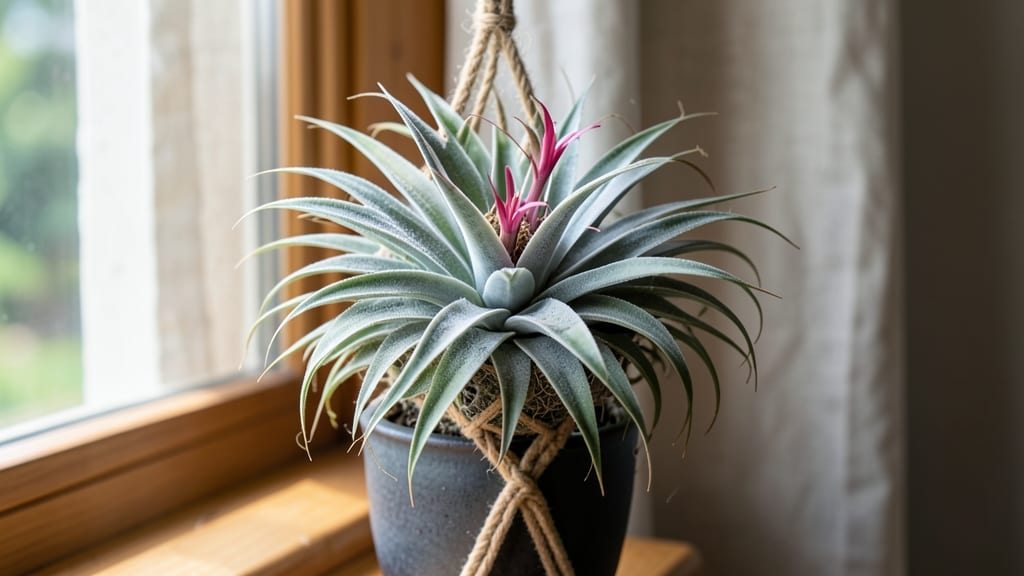
Growing a hanging moss ball plant like Tillandsia ionantha feels like nurturing a tiny, velvety cloud that just happens to purify your air. ✨ These air plants thrive without soil, absorbing moisture and nutrients straight from the air—perfect for busy plant parents who want lush greenery without the fuss.
My first one lasted three years with almost no effort, and now I’ve got three more cascading from my porch ceiling.
The secret to keeping it happy is simple: weekly misting (or a quick dip in water once a month), bright but indirect light, and letting it dry completely between waterings. Overwatering is the only real enemy—those fuzzy leaves turn brown and crispy when they’re soggy.
I’ve learned to check the base: if it feels damp, wait a few days. These plants are tougher than they look, but they do reward patience with vibrant, bushy growth that looks like a living sculpture.
By summer, your moss ball will double in size, spilling over its hanger in a silvery-green waterfall that catches the light. The best part? No repotting, no weeding, and no soil mess.
Just hang it up, mist it occasionally, and watch it thrive—whether on a patio, in a sunroom, or even indoors near a bright window. It’s the kind of plant that makes you feel like you’ve got a green thumb, even if you don’t.
Outdoor setups let you experiment with different spots, but keep it sheltered from harsh afternoon sun or freezing temps. Indoors, a bathroom with its humidity boost can be ideal, or pair it with a terrarium for extra moisture.
The key is observing how it responds—these plants don’t ask for much, but they do tell you when something’s off. A little attention goes a long way with these air-purifying beauties.
📚 In This Guide
- What you need
- Instructions
- Tips and common mistakes
- Wrapping up and next steps
What you need
- ● Moss ball (Temple plant): 1 (available at garden centers, online stores, or even as a gift—how fun is that?). Look for a firm, green, and slightly springy ball (about 4-6 inches in diameter).
- ● Hanging planter: 1 (choose a ceramic, woven, or plastic basket with drainage holes, 6+ inches deep to accommodate the moss ball and its roots.
- ● Potting mix: 1 bag (use a well-draining, peat-based mix or a blend of sphagnum moss, perlite, and orchid bark—avoid heavy garden soil!).
- ● Distilled or rainwater: Small container (tap water can harm the moss over time due to minerals).
- ● Scissors or shears: 1 pair (for trimming stray roots or moss if needed).
- ● Spray bottle: 1 (to mist the moss ball lightly, especially in dry climates).
- ● Supportive frame or trellis: 1 (if you want to encourage the moss to grow longer vines—think macramé hangers or decorative grids!).
- ○ Fertilizer (optional): A balanced liquid fertilizer (10-10-10) or seaweed-based fertilizer for occasional feeding (use sparingly!).
- ● A bright, indirect light spot (near a window but not in harsh sunlight—think east or north-facing).
- ● Humidity-friendly environment (bathrooms, kitchens, or homes with humidifiers are ideal). If your air is dry, plan to mist regularly!
- ● Patience! Moss balls grow slowly but reward you with lush, air-purifying beauty over time. 😊
Step-by-step instructions for cultivating a lush hanging moss ball plant
Here's my go-to method for growing a thriving, air-purifying moss ball that stays vibrant with almost no effort.
🪴 Step 1: Select the Perfect Hanging Container
Choose a 10-12 inch diameter hanging basket with drainage holes—moss balls hate soggy roots. I prefer ceramic or fiberglass containers because they retain moisture while allowing airflow. The basket should have a wide mouth to make watering and maintenance easier later.
Place a 1-inch layer of small pebbles at the bottom before adding your moss ball. This creates a drainage layer that prevents root rot, which is the #1 killer of these plants. The pebbles also help the moss ball stay elevated, giving it better air circulation around its base.
💧 Step 2: Prepare and Position Your Moss Ball
Gently rinse your moss ball under lukewarm water to remove any dust or debris. You'll notice the moss is made of tiny green strands that look like a ball of fuzzy yarn. Handle it carefully—moss balls are delicate when wet. After rinsing, let it drain completely before placing it in the container.
Position the moss ball in the center of your container, nestled among the pebbles. The top should be 1-2 inches below the rim of the basket. This spacing prevents the moss from drying out too quickly while still allowing you to water it easily. If your moss ball has long roots, gently tuck them down into the pebbles to encourage stability.
☀️ Step 3: Water and Provide Ideal Light Conditions
Water your moss ball thoroughly until water runs out the drainage holes. You'll know it's properly hydrated when water stops dripping from the bottom. After watering, let it drain completely—never leave it sitting in standing water. I find that watering every 3-5 days works best, but adjust based on your home's humidity and temperature.
Place your moss ball in bright, indirect light—think of it like a plant that loves dappled sunlight. A north or east-facing window is ideal, but avoid harsh afternoon sun, which can dry out the moss too quickly. You'll see the moss stay a vibrant green when it's happy, while brown patches indicate either too much sun or underwatering.
🌿 Step 4: Maintain and Refresh Your Moss Ball
Every 4-6 weeks, rinse your moss ball under running water to remove any dust or debris that accumulates. This keeps it looking fresh and ensures it continues to photosynthesize efficiently. After rinsing, gently reshape any flattened areas—just a few minutes of your time will keep it looking full and lush.
If you notice brown or dead spots, trim them away with clean scissors. The moss ball will naturally regenerate as long as the healthy green strands remain. Rotate the container a quarter turn weekly so the moss grows evenly all around. This simple step prevents lopsided growth and keeps your moss ball looking perfectly round.
⏰ Step 5: Troubleshoot Common Issues
If your moss ball starts to dry out, place it in a shallow tray of water for 10-15 minutes to rehydrate. You'll feel the difference immediately—the moss will plump up and regain its vibrant color. Avoid submerging it completely, as this can cause the moss to lose its structure.
For pests like spider mites or fungus gnats, wipe the moss ball down with a neem oil solution (1 tsp neem oil per quart of water). Spray it lightly and let it air dry in indirect light. Most pests will disappear within a few days of treatment. The key is consistency—keep your moss ball clean and well-hydrated, and it will thrive with minimal fuss.
Tips & tricks for perfect hanging moss ball plant care
Your moss ball deserves a little extra attention to stay lush and vibrant—here's how to make it thrive with minimal fuss.
Container Selection: Avoid plastic containers—they can trap too much moisture and cause root rot. Opt for ceramic or fiberglass baskets with drainage holes, as these materials allow for better airflow while retaining just the right amount of moisture. The 10-12 inch diameter recommendation ensures your moss ball has enough space to grow without becoming crowded, which can lead to uneven drying.
Watering Wisdom: The key to perfect hydration is thorough but not excessive watering. When you water until it drains completely from the bottom, you're ensuring the moss ball gets deeply hydrated without sitting in standing water. I've found that using lukewarm water helps prevent shock to the delicate moss strands—cold water can cause them to tighten up and look dull. Always let it drain completely after watering to prevent soggy roots.
Lighting Insights: Bright, indirect light is your moss ball's sweet spot. If you notice brown patches developing, it's likely getting too much direct sun—move it to a spot with filtered light. Conversely, if the moss starts looking dull or grayish, it needs more light. A simple test: if you can read a book comfortably under the same light your moss ball receives, it's likely getting the perfect amount of indirect light.
Maintenance Made Easy: The quarter-turn weekly rotation might seem like a small detail, but it makes a huge difference in keeping your moss ball perfectly round. Set a reminder on your phone or tie a string around the basket to remind yourself. When you notice brown spots, simply trim them away with clean scissors—this encourages new growth and keeps your moss ball looking its best without any complicated procedures.
Pro Tips for Hanging Moss Ball Plant
- Your moss ball deserves a little extra attention to stay lush and vibrant—here's how to make it thrive with minimal fuss.
- Container Selection: Avoid plastic containers—they can trap too much moisture and cause root rot.
- Watering Wisdom: The key to perfect hydration is thorough but not excessive watering.
Frequently asked questions
Got questions about keeping your hanging moss ball plant thriving? You’re not alone! Here are answers to the most common queries—from care tips to troubleshooting—so you can enjoy this low-maintenance beauty with confidence.
How often should I water my hanging moss ball plant?
Water your moss ball lightly every 3–5 days, ensuring it stays damp but never soggy. Mist it daily in dry climates or when the surface feels dry to the touch. Overwatering is the #1 killer—let excess water drain completely to prevent root rot.
Can a moss ball survive winter indoors?
Yes! Moss balls are hardy and thrive indoors year-round. Keep them in bright, indirect light (like a north-facing window) and avoid drafts. If leaves shrink in winter, it’s normal—just water more sparingly and they’ll bounce back in spring.
What should I do if my moss ball turns brown or shrinks?
Brown spots or shrinking usually means overwatering or chlorine damage (from tap water). Let it dry out for a day, then repot in fresh, filtered water. For severe cases, trim dead spots with clean scissors and refresh the water completely.
Can I grow a moss ball in a fish tank or pond?
Moss balls are aquatic-safe and love clean, oxygenated water. Just avoid tap water (use dechlorinated or aged water) and trim them every few months to encourage growth. They’ll purify water and provide a natural habitat for fish!
Do moss balls need fertilizer?
Nope! They absorb nutrients from the water. For a boost, add a liquid aquatic fertilizer (like seaweed extract) once a month. Avoid over-fertilizing—stick to half the recommended dose to prevent algae growth.
Wrapping up and next steps
The hanging moss ball plant is your low-maintenance, air-purifying superstar—easy to care for, visually stunning, and perfect for adding life to any space! 🌿 With just a little sunlight, occasional misting, and a cozy spot, you’ll enjoy its lush, velvety beauty without the fuss.
Ready to transform your home or office? Grab your moss ball, follow the simple steps, and watch it thrive—your green corner awaits!
Next step: Place your moss ball in its new home and enjoy the satisfaction of nurturing a plant that practically takes care of itself! 🌱