
Planting
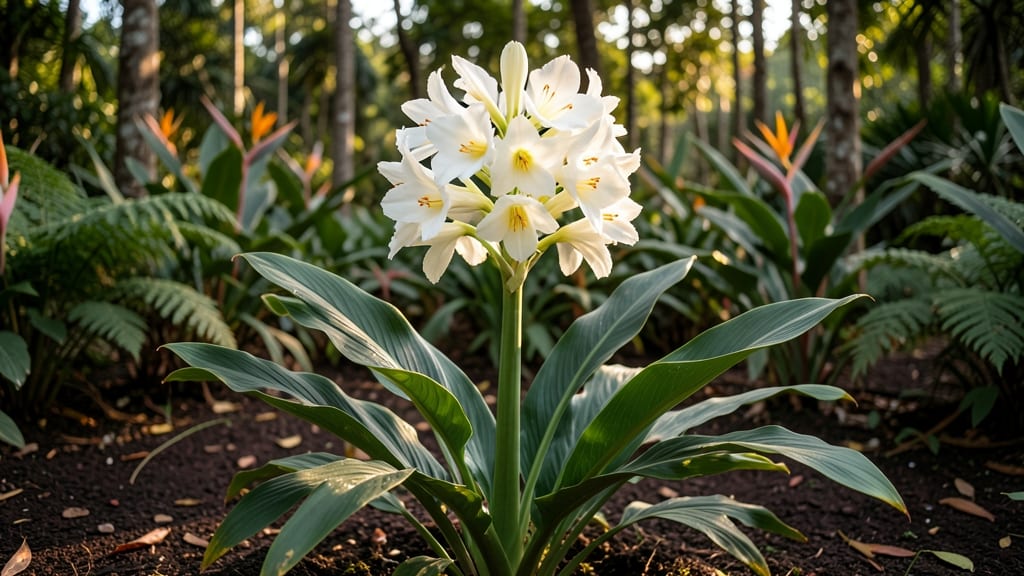
This Hawaiian white ginger (Hedychium gardnerianum) is the kind of plant that turns heads—its bold white-striped foliage and intoxicating vanilla-scented blooms make it a showstopper. 🌿 I fell for it after seeing how it thrived in a 15-gallon container on my patio, where it grew 6 feet tall in just one season without fuss.
The secret to its success? Mimicking its tropical roots: well-draining, rich soil, morning sun with afternoon shade, and consistent moisture (but never soggy).
It’s surprisingly hardy for a tropical—zones 9-11—but even in cooler climates, it’ll reward you with lush growth if you bring it indoors before frost. You’ll love how it fills containers with drama, repels pests naturally, and even attracts pollinators with its fragrant flowers.
The best part? It multiplies easily through rhizome division, so you’ll soon have vines to share (or display). For container growers, this is the ultimate low-maintenance, high-impact plant. Let’s get yours thriving!
📚 In This Guide
- What you need
- Instructions
- Tips and common mistakes
- Wrapping up and next steps
What you need
- ● Hawaiian white ginger plant: 1 nursery-grown rhizome (3–5 inches long) or a mature plant (1–2 feet tall). Pro tip: 💡 Look for healthy, firm rhizomes with visible roots!
- ● Well-draining potting mix: 5–10 gallons (depending on container size). Mix 2 parts peat/coir, 1 part perlite, and 1 part compost for optimal drainage.
- ○ Container: 1 large pot (12–18 inches deep) with drainage holes. Optional: 🌿 A decorative cachepot for a polished look!
- ● Slow-release fertilizer: 1 packet (10–20–10 NPK ratio) or organic options like worm castings.
- ● Gloves & pruners: 1 pair (to handle rhizomes and trim foliage).
- ● Watering can or hose: With a gentle spray nozzle for hydration.
- ○ Mulch (optional): Pine bark or coconut coir to retain moisture.
- ○ Support stake (optional): For taller plants (3–4 feet tall).
- ● Sunlight: 4–6 hours of bright, indirect light daily (morning sun is ideal).
- ● Temperature: Thrives in 70–85°F (21–29°C)—avoid frost!
- ● Humidity: 50% or higher (mist leaves occasionally if indoors).
Step-by-step guide to growing Hawaiian white ginger in containers
This stunning tropical vine delivers bold, variegated foliage with minimal fuss—here’s how to coax its dramatic growth.
🪴 Step 1: Select the Right Container and Drainage
Choose a 10-12 inch diameter container with drainage holes—Hawaiian white ginger (Alpinia zerumbet) hates soggy roots. I prefer terracotta because it breathes and helps regulate moisture. If your pot lacks holes, drill 3-4 additional ones near the base to prevent root rot, which is the #1 killer of this plant.
Line the bottom with 1-2 inches of ornamental gravel or broken pottery shards. This creates an air pocket that prevents waterlogging while allowing excess moisture to drain freely. The gravel also helps anchor the plant’s fibrous roots, which can sprawl aggressively in loose soil. Fill the pot one-third full with your chosen well-draining potting mix—more on that in the next step.
🌱 Step 2: Use a Fast-Draining, Airy Soil Mix
Hawaiian white ginger thrives in loamy, well-draining soil with a slightly acidic to neutral pH (6.1-7.5). Mix two parts potting soil with one part perlite or coarse sand to improve aeration. I add a handful of orchid bark for extra chunkiness—this prevents compaction and mimics its native tropical forest floor.
Fill the container two-thirds full with your custom mix, leaving 2-3 inches at the top for the plant’s rhizomes. Press down gently but don’t compact—you want the soil to stay loose enough for roots to spread. The key here is avoiding heavy garden soil, which retains too much moisture and suffocates roots.
🌿 Step 3: Plant the Rhizome Correctly for Strong Growth
Hawaiian white ginger grows from rhizomes (thick, horizontal rootstalks), not seeds. Plant yours 2-3 inches deep, partially uncovered—never fully buried. The top third of the rhizome should remain visible, as this is where new shoots emerge. Space 4 rhizomes per 12-inch pot for a full, lush display.
Gently press the soil around the rhizome to secure it without compacting. Water lightly but thoroughly until moisture reaches the bottom of the pot—you’ll know it’s right when water drips from the drainage holes. Place the pot in a bright, indirect light spot (like an east or north-facing window) for the first 2-3 weeks to avoid shocking the plant.
☀️ Step 4: Provide Bright, Indirect Light and Humidity
This tropical beauty craves bright, filtered light—think 50-70% shade of full sun. Too much direct sunlight scorches its delicate leaves, while too little causes leggy growth and pale variegation. I place mine 6 feet from a south-facing window during summer, then move it back 2 feet in winter when sunlight is weaker.
Mist the foliage 2-3 times weekly to maintain 60-70% humidity, or set the pot on a pebble tray filled with water to increase moisture around the plant. You’ll notice the leaves perk up and develop richer variegation when humidity is ideal. If the tips brown, that’s your cue to increase moisture—either by misting more or moving the plant to a more humid location.
💧 Step 5: Water and Fertilize for Lush, Dramatic Foliage
Water when the top 1-2 inches of soil feel dry—stick your finger in to check. Hawaiian white ginger is drought-tolerant once established, but it rewards consistent moisture with bold, healthy growth. Water deeply until it drains from the bottom, then empty the saucer to prevent root rot. Overwatering is the fastest way to kill this plant, so never let it sit in standing water.
Feed every 4-6 weeks during spring and summer with a balanced liquid fertilizer (10-10-10) diluted to half strength. I skip fertilizer in fall and winter, as the plant enters a dormant-like phase with slower growth. You’ll see vibrant new leaves with striking white variegation when it’s happy—this is your sign you’re nailing the care routine.
Tips & tricks for perfect Hawaiian white ginger growth
Here's what I've learned after watching this tropical beauty transform my space—avoid these common pitfalls for maximum foliage drama.
Container Selection Wisdom: Terracotta isn't just my preference—it's a game-changer for moisture regulation. The porous nature helps prevent the soil from staying too damp, which is crucial since Hawaiian white ginger's rhizomes despise soggy conditions. If you're using a plastic pot without drainage, drill those extra holes near the base immediately. I've seen root rot develop within weeks in pots that seemed "fine" at first glance. The key is creating that air pocket with 1-2 inches of gravel—this isn't optional, it's insurance against the #1 killer of this plant.
Soil Mix Science: That two parts potting soil to one part perlite ratio might seem basic, but it's where the magic happens. The orchid bark I add creates the perfect air pockets that mimic its native tropical forest floor. Pro tip: Sift your potting soil before mixing to remove any large clumps—this prevents compaction when you press the soil around the rhizomes. I've noticed plants with unsifted soil develop that telltale "soggy" look within months, while properly aerated mixes stay loose and inviting for roots.
Rhizome Planting Technique: The 2-3 inch depth with the top third exposed isn't just arbitrary—it's about creating the perfect conditions for shoot emergence. When planting, I always make sure the rhizomes are spaced about 3 inches apart (that's roughly the diameter of a golf ball) to prevent overcrowding as they mature. The partially uncovered top is where new growth will appear, so don't bury it completely. I've tried fully buried rhizomes, and while they might survive, they take twice as long to show new leaves compared to properly positioned ones.
Light Adaptation Strategy: That 6 feet from a south-facing window in summer isn't just a suggestion—it's about finding that sweet spot between too much direct sun and not enough light. I've learned to watch for the leaves' reaction: if they develop crispy edges, move back 1 foot. If they stretch and pale, bring it closer. The winter adjustment of moving back 2 feet makes a huge difference in maintaining that vibrant variegation. A grow light on a timer can be a lifesaver if you don't have ideal window placement—just keep it 12-18 inches above the plant for 12-14 hours daily.
Pro Tips for Hawaiian White Ginger Plant
- Here's what I've learned after watching this tropical beauty transform my space—avoid these common pitfalls for maximum foliage drama.
- Container Selection Wisdom: Terracotta isn't just my preference—it's a game-changer for moisture regulation.
- Soil Mix Science: That two parts potting soil to one part perlite ratio might seem basic, but it's where the magic happens.
Frequently asked questions
Got questions about growing and caring for your Hawaiian white ginger plant? You’re not alone! Here are some of the most common queries—plus quick, actionable answers to keep your tropical beauty thriving.
How fast does Hawaiian white ginger grow?
The Hawaiian white ginger (Alpinia zerumbet) is a moderate grower, typically adding 6–12 inches per year under ideal conditions. With proper sunlight, moisture, and nutrients, it can reach 6–10 feet tall in containers within 2–3 years. Prune regularly to encourage bushier growth and prevent legginess!
Why are my Hawaiian white ginger leaves turning yellow?
Yellowing leaves usually signal overwatering, poor drainage, or nutrient deficiencies. Check the soil—it should stay slightly moist but never soggy. Ensure your pot has drainage holes and consider fertilizing with a balanced liquid fertilizer every 4–6 weeks during spring/summer. Pro tip: Yellow edges? It might be underwatering or fluoride buildup from tap water—try rainwater or distilled H₂O instead.
Can I grow Hawaiian white ginger indoors?
This plant thrives indoors near bright, indirect light (e.g., east or west-facing windows). If natural light is limited, supplement with a grow light for 6–8 hours daily. Keep humidity high (use a pebble tray or humidifier) and avoid cold drafts—ideal temps are 65–85°F. Containers 12+ inches wide work best for potted growth.
What’s the best fertilizer for Hawaiian white ginger?
Use a balanced, water-soluble fertilizer (like 10-10-10 or 20-20-20) diluted to half-strength every 4–6 weeks during active growth (spring–fall). For a nutrient boost, try fish emulsion or compost tea. Pro tip: Reduce feeding in winter—cooler temps slow growth, and over-fertilizing can burn roots.
Are there non-toxic alternatives to Hawaiian white ginger for pets?
While Hawaiian white ginger is non-toxic to pets, if you’re cautious, consider Philodendron ‘Hope’ or Calathea orbifolia—both are pet-safe and offer lush foliage. For a similar tropical vibe, Peperomia varieties (like ‘Watermelon’) are also great low-maintenance picks. Always double-check with your vet if your pet is a nibbler!
Wrapping up and next steps
The Hawaiian white ginger plant is a stunning, low-maintenance tropical vine that brings bold foliage and vibrant energy to any space—whether indoors or in containers. With its striking white-and-green leaves, easy-care nature, and adaptability, it’s the perfect choice for gardeners of all levels. 🌿✨
Now that you’re armed with the right materials, tips, and answers to common questions, why not take the next step? Grab your container, gather your supplies, and let this tropical beauty transform your home or garden today! Happy planting! 🌱