
Planting
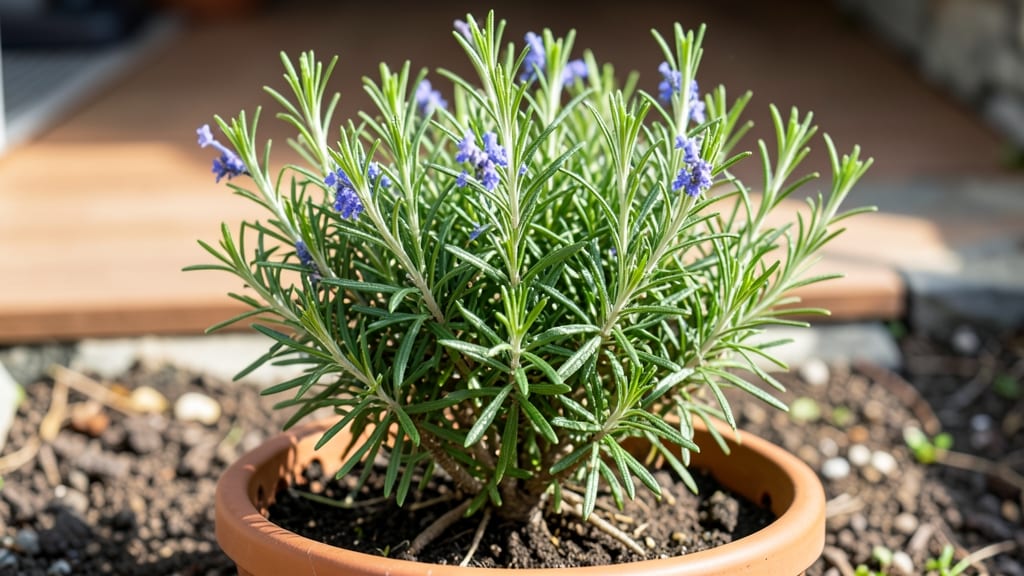
A healthy rosemary plant means pine-scented air all year—no matter where you grow it. 🌿 I've kept mine thriving for years with just a few simple routines, and the secret isn't complicated: rosemary wants sun, good drainage, and occasional pruning to stay compact.
Most people overwater or crowd the plants, and that's when they struggle.
Start with well-draining soil—rosemary hates soggy feet—and place it where it gets at least 6-8 hours of sunlight daily. In pots, use a mix of potting soil and perlite to prevent root rot.
Water only when the top inch feels dry, and never let it sit in standing water. The fragrance alone tells you when it's ready for more moisture.
Pruning isn't just about shape—it keeps your rosemary bushy and productive. Snip back the woody stems in early spring, and harvest sprigs regularly to encourage new growth. A well-pruned plant stays lush and aromatic for years, even in containers on a sunny patio or indoors near a bright window.
Outdoor plants handle frost down to 20°F if established, while indoor varieties need a cool spot (like a windowsill) to stay healthy. The key is consistency: rosemary rewards patience with fragrant foliage that lasts all season long.
📚 In This Guide
- What you need
- Instructions
- Tips and common mistakes
- Wrapping up and next steps
What you need
- ● Rosemary plant: 1 healthy nursery-grown rosemary (Rosmarinus officinalis) or cuttings from an existing plant.
- ● Pro tip: Choose a variety like 'Arp' (upright) or 'Blue Spires' (compact) for best results. 🌿
- ● Well-draining soil: 5 gallons of cactus/succulent mix or potting soil amended with perlite/vermiculite (20-30%) for pots.
- ● For garden beds: Amend native soil with sand or gravel (30%) to prevent root rot.
- ● Containers (if potted): 1-2 terracotta pots (12-18" diameter) with drainage holes (rosemary hates soggy roots!).
- ○ Optional: Fabric grow bags for better aeration.
- ● Sunlight access: 6+ hours of direct sunlight daily (south-facing windows or outdoor spots).
- ● Watering tools: Watering can with a narrow spout (to avoid disturbing soil).
- ○ Moisture meter (optional) to check soil dryness.
- ● Pruning shears: Sharp, sterilized shears for trimming (disinfect with rubbing alcohol).
- ○ Gloves (optional): To protect hands from prickly stems.
- ● Fertilizer (light use): 1 balanced liquid fertilizer (10-10-10) or slow-release granules (apply once every 2-3 months).
- ● Avoid high-nitrogen fertilizers—rosemary prefers lean soil! 🚫
- ○ Mulch (optional): 1 bag of gravel or coarse sand (to retain heat and improve drainage).
- ● Climate considerations: Rosemary thrives in USDA Zones 7-10; use containers for colder climates (bring indoors in winter!).
Step-by-step guide to growing a thriving rosemary plant
Rosemary thrives with minimal fuss—here’s how to coax its fragrant beauty year-round.
🌱 Step 1: Choose the Right Plant and Location
Start with a healthy rosemary plant from a nursery—avoid leggy or yellowing specimens. Rosemary craves full sun (6+ hours daily), so position it in a south-facing window or under a grow light if indoors. Outdoors, a sheltered spot with afternoon shade in hot climates prevents scorching.
If growing in containers, ensure the pot is at least 12 inches deep with drainage holes—rosemary hates soggy roots. I use terra cotta because it wicks away excess moisture naturally. The first sign your spot is right? New growth appears within 2-3 weeks of proper placement.
☀️ Step 2: Master Watering for Drought-Tolerant Growth
Rosemary’s secret to health? Dry soil. Water only when the top 2 inches of soil feel bone-dry—stick your finger in to check. Overwatering causes root rot, while underwatering stresses the plant. I water deeply once a week in summer, less in winter, and always from the bottom to encourage strong root development.
Mistakes here are easy: I’ve drowned rosemary by watering on schedule instead of checking soil moisture. Watch for wilting leaves—this is normal in dry conditions. If leaves turn yellow or mushy, you’re overwatering; brown edges mean it’s thirsty.
🪴 Step 3: Feed and Prune for Bushy, Fragrant Foliage
Fertilize lightly in spring with a balanced 10-10-10 mix—rosemary needs minimal nutrients. Too much fertilizer burns roots. Prune in early spring to shape the plant and encourage new growth. Cut back leggy stems by ⅓ their length, always just above a leaf node where new branches will sprout.
Here’s the trick: Prune after flowering to maintain fragrance. Deadhead spent blooms to redirect energy to foliage. You’ll notice a burst of fresh, piney scent after pruning—proof the plant is happy. Avoid heavy pruning in fall, as rosemary needs energy to survive winter.
✂️ Step 4: Protect and Revitalize Through Seasons
In winter, reduce watering to every 3-4 weeks unless indoors. Move potted rosemary to a cooler spot (40-50°F) to mimic dormancy. If grown outdoors in cold climates, mulch the base with 1 inch of straw to insulate roots. Watch for frost damage—wilted leaves recover if the center stays green.
Revive a struggling rosemary by trimming back to healthy growth and repotting if roots are circling. Propagate cuttings in water or soil—place a 4-inch stem in water until roots form (2-3 weeks). The new plant will inherit the parent’s hardiness and aroma.
Tips & tricks for perfect rosemary growth
Took me years to figure out why some rosemary plants thrive while others struggle—here's what actually works.
Lighting Secret: That 6+ hours of full sun isn't just about sunlight—it's about consistent intensity. South-facing windows work best because they receive the most direct sunlight. If growing indoors, supplement with a grow light 12 inches above the plant for 6 hours daily. I've seen rosemary grow twice as fast with proper light exposure compared to dimmer conditions. The key is replicating natural sunlight patterns.
Soil Test Trick: Before planting, mix a handful of coarse sand or perlite into your soil to improve drainage. Rosemary roots need air circulation—compacted soil suffocates them. I always test soil moisture by sticking my finger 2 inches deep; if it's damp, wait another day. The plant's natural drought resistance means it's better to underwater slightly than risk root rot.
Pruning Technique: When you're pruning those leggy stems in Step 3, make your cuts at a 45-degree angle just above a leaf node. This creates a larger surface area for new growth to emerge. I've found that pruning after flowering preserves that signature piney aroma while encouraging bushier foliage. Avoid cutting into old wood—the plant won't regenerate from there.
Seasonal Transition: That 40-50°F winter temperature range is crucial for dormancy. I've learned that moving potted rosemary to an unheated garage or shed during winter mimics natural conditions. The plant actually benefits from this cool period—it builds resilience for the next growing season. Just be sure to bring it back indoors before temperatures drop below freezing.
Pro Tips for Healthy Rosemary Plant
- Took me years to figure out why some rosemary plants thrive while others struggle—here's what actually works.
- Lighting Secret: That 6+ hours of full sun isn't just about sunlight—it's about consistent intensity. South-facing wi...
- Soil Test Trick: Before planting, mix a handful of coarse sand or perlite into your soil to improve drainage. Rosemar...
Frequently asked questions
Got questions about keeping your rosemary thriving? We’ve got answers!
Here are some of the most common concerns—plus quick fixes to keep your plant happy and fragrant all year.
How often should I water my rosemary plant?
Rosemary is drought-tolerant, so overwatering is the real enemy! Water deeply only when the top 1–2 inches of soil feel dry (about once a week in warm weather, less in winter). Yellowing leaves or mushy stems? You’re likely watering too much. Pro tip: Use a well-draining pot with drainage holes to prevent root rot.
Can rosemary survive winter outdoors?
Most rosemary varieties are hardy only to USDA Zones 7–10. In colder climates, move potted rosemary indoors near a sunny window or wrap the pot in burlap for protection. If you’re growing it in the ground, mulch heavily and choose cold-hardy types like Rosemarinus officinalis ‘Arp’. Watch for frost damage—wilting leaves can bounce back with a trim!
Why is my rosemary turning yellow or brown?
Yellow leaves often signal overwatering, while brown tips or crispy edges usually mean underwatering or low humidity. Check the soil moisture and adjust your watering routine. Too much salt in tap water? Try distilled or rainwater. Pro tip: Prune affected stems to encourage new growth and improve airflow.
Can I grow rosemary indoors year-round?
Place your rosemary in a sunny spot (south-facing window or under grow lights for 6+ hours daily). Use a lightweight, fast-draining potting mix and rotate the pot occasionally for even growth. Watch for pests like spider mites—spray leaves with water or neem oil if you spot webbing.
What’s the best way to propagate rosemary?
Propagating is easy! Snip a 4–6 inch stem with healthy leaves, remove the lower leaves, and dip the cut end in rooting hormone (optional). Plant in moist potting mix, cover with a plastic bag to retain humidity, and keep in bright, indirect light. Roots should form in 4–6 weeks. Pro tip: Water from the bottom to avoid disturbing the cutting!
Wrapping up and next steps
Growing a healthy rosemary plant is simpler than you think—just a little sunlight, well-draining soil, and occasional pruning can keep it thriving year-round! 🌿 With its fragrant leaves and low-maintenance nature, rosemary is a perfect addition to any garden or kitchen windowsill.
Whether you’re a seasoned gardener or just starting out, this hardy herb will reward you with beauty and flavor.
Ready to take the next step? Start with a cutting or seedling today, and soon you’ll be harvesting fresh rosemary for cooking or enjoying its soothing scent. Happy gardening!