
How To
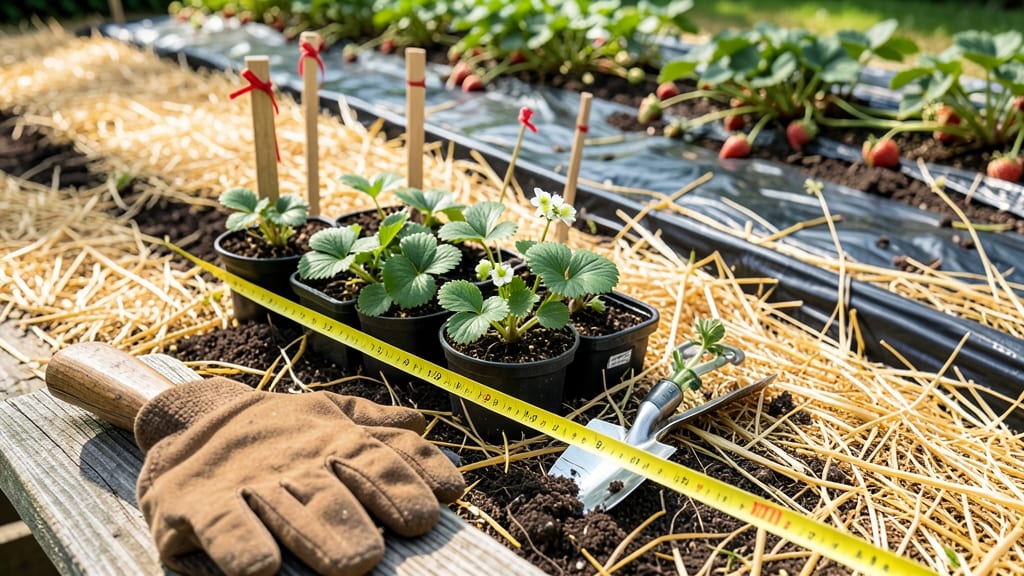
Planting strawberries too close can shrink your harvest by half—how close can strawberries be planted for optimal results? The sweet spot is 12 to 18 inches apart for June-bearing varieties, ensuring airflow and fruit size.
Picture this: your 🍓 strawberries are thriving, but instead of plump berries, you’re picking tiny, crowded fruit with poor flavor. That’s the cost of guessing spacing. The right distance isn’t just about fitting more plants—it’s about giving each one room to breathe, reducing disease, and maximizing yield.
Everbearing and day-neutral varieties can handle slightly tighter spacing—6 to 12 inches—but even they need enough elbow room to avoid root competition. Soil quality and sunlight play a role too, so we’ll break down how to adjust spacing for your garden’s unique conditions.
By the end of this guide, you’ll know exactly how to space your strawberries for bigger, healthier fruit—whether you’re working with a raised bed, containers, or traditional rows. Let’s get those plants the space they deserve!
Optimal strawberry plant spacing by variety and growing method
Getting the strawberry plant spacing right can mean the difference between a few small berries and a bountiful harvest of plump, juicy fruit. Unlike many vegetables, strawberries thrive when given just enough room to breathe—too close, and you’ll end up with smaller berries and disease-prone plants.
The key lies in understanding your strawberry variety and growing method, as these factors dramatically impact how much space each plant needs to flourish.
June-bearing strawberries, for example, produce one massive crop per year and need more room to develop large, high-quality berries. On the other hand, everbearing and day-neutral varieties produce fruit continuously and can handle slightly tighter spacing.
Meanwhile, container growing and raised beds require entirely different spacing strategies to prevent overcrowding and maximize yield in limited spaces.
Here’s the science-backed breakdown of how close you can plant strawberries based on their type and where you’re growing them:
For June-bearing strawberries, the 18-24 inch spacing in-ground is non-negotiable if you want those golf-ball-sized berries everyone dreams of. These varieties focus all their energy into one massive harvest, so they need room to spread their runners and develop strong roots.
In raised beds, you can tighten this up to 12-18 inches because the soil stays warmer and drier, encouraging faster growth.
If you’re growing everbearing or day-neutral varieties, you’ll notice they can handle closer spacing—think 12-16 inches apart in-ground. These plants produce fruit throughout the season, so they’re more compact and don’t need as much room to recover between harvests.
In containers, you can even fit 2-3 plants per 6-inch pot, but be prepared for slightly smaller berries.
One of the biggest mistakes I see is overcrowding strawberries in containers. A single June-bearing plant in a 6-inch pot will struggle, producing tiny berries because its roots are cramped.
Instead, opt for larger containers (at least 12 inches wide) and limit yourself to 1 plant per variety per container. If you’re growing everbearing types, you can squeeze in 2-3 plants, but monitor them closely for signs of root competition, like yellowing leaves or stunted growth.
Another pro tip: Adjust spacing based on your climate. In hot, dry regions, give plants a little extra room—24 inches apart—to reduce stress from competition for water.
Conversely, in cooler, wetter climates, you can plant closer together because the risk of fungal diseases (like gray mold) is higher with poor airflow. Always prioritize air circulation over squeezing in extra plants.
When planting in raised beds, consider using a staggered layout to maximize space. Plant rows 12 inches apart with plants spaced 8-12 inches within the row. This creates a checkerboard pattern that improves airflow and makes harvesting easier.
For containers, choose varieties like ‘Alpine’ or ‘Seascape’, which are naturally compact and thrive in tight spaces.
Remember, proper spacing isn’t just about yield—it’s also about plant health. Crowded strawberries are more susceptible to pests like slugs and diseases like powdery mildew because moisture lingers longer on leaves. By giving each plant its ideal space, you
Common mistakes that stunt strawberry growth (and how to fix them)
If your strawberries are small, sparse, or struggling with disease, the issue might be overcrowding or poor spacing. Many gardeners unknowingly plant strawberries too close together, thinking more plants mean more fruit—but the opposite happens.
When roots compete for nutrients and airflow is restricted, your harvest suffers. The good news? Adjusting spacing mid-season can revive struggling plants and boost yields next year.
Watch for these warning signs of overcrowding: yellowing leaves, mold on berries, or plants that look stunted despite proper care. These symptoms often point to root competition or fungal diseases like gray mold, which thrive in damp, crowded conditions.
The solution? Thin your plants strategically to give them room to thrive.
Most gardeners make this mistake: planting strawberries too close (less than 12 inches apart). Here’s the ideal spacing by variety:
- June-bearing: 12–18 inches apart (they produce one big harvest)
- Everbearing: 12 inches apart (they fruit in waves)
- Day-neutral: 6–12 inches apart (compact but productive)
Pro Tip: If you’re using raised beds, reduce spacing to 6–12 inches—but never less, or you’ll invite pests and disease.
To fix overcrowded strawberries, start by removing weaker plants first. Focus on keeping the healthiest runners—those with vibrant green leaves and no signs of pests. Dig carefully to avoid damaging roots, then replant the strongest offsets 12–18 inches away from the mother plant.
This gives your remaining strawberries the space they need to grow larger berries and stronger roots.
Another common mistake? Ignoring airflow in favor of tight rows. Strawberries need circulation to dry quickly after watering, which prevents fungal spores from taking hold. If your bed looks like a wall of green, prune back excess foliage and space plants further apart.
Mulch with straw or pine needles to improve airflow at the soil level—this simple trick can cut down on rot and mildew by 50%.
For container growers, spacing is even more critical. In pots, strawberries should be 8–12 inches apart to prevent root binding. If your container is small (under 12 inches wide), limit yourself to 1–2 plants per pot.
Overcrowding in containers leads to root rot and stunted growth, so choose larger pots or divide plants if they outgrow their space.
Remember: proper spacing isn’t just about yield—it’s about plant longevity. Strawberries planted with room to breathe will produce fruit for 3–5 years, while crowded plants may only last 1–2 seasons before declining. Adjust your spacing now, and you’ll enjoy bigger, sweeter berries for years to come. 🌱