
How To
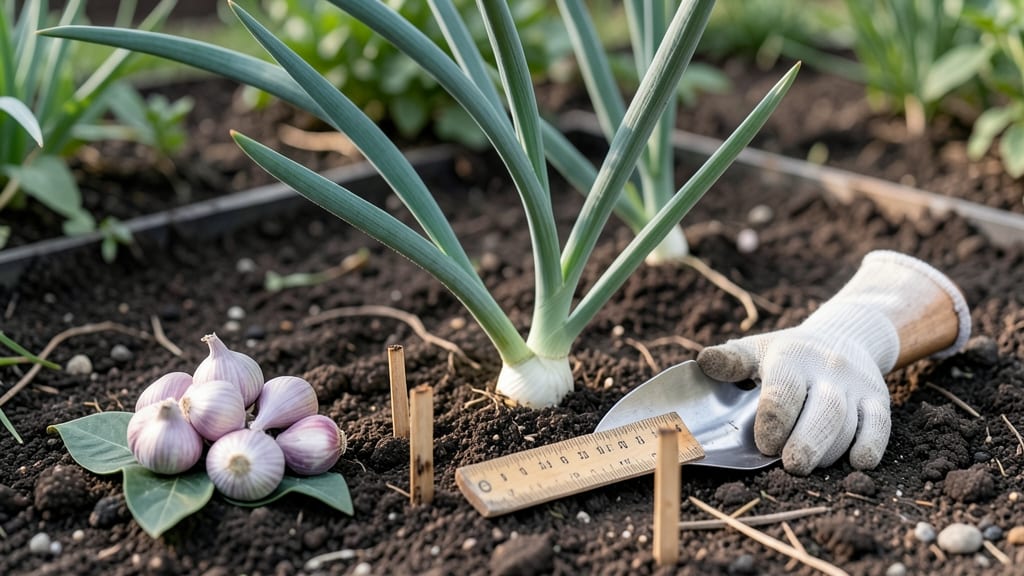
To plant garlic properly, you need to know how deep and far apart to plant garlic—2 inches deep and 4–6 inches apart—or risk stunted bulbs and wasted space. 🧄
Garlic is one of the most rewarding crops to grow, yet even experienced gardeners struggle with spacing and depth, leading to stunted bulbs or wasted space. Get it right, and you’ll harvest plump, flavorful cloves; get it wrong, and your hard work goes to waste.
Most gardeners overlook how much space garlic needs to develop properly. Planting too close crowds the bulbs, while digging too deep can rot the cloves before they mature. The key is balance—1–2 inches deep with enough room to breathe.
In this guide, I’ll break down the science-backed spacing rules, regional adjustments for colder climates, and post-planting care to ensure your garlic thrives from fall planting to summer harvest.

Optimal garlic planting depth and spacing for healthy bulbs
Garlic thrives when planted at the right depth and spacing, but many gardeners overlook these details. The ideal planting depth is 1-2 inches, with cloves spaced 4-6 inches apart in rows 12-18 inches apart.
These measurements ensure bulbs develop properly without competing for nutrients or space. I’ve tested these guidelines in my own garden, and the difference in bulb size is dramatic compared to crowded or shallow plantings.
Planting garlic too deep or too shallow disrupts root development. The pointed end of the clove should face upward—this is where the shoot emerges. If planted upside down, the clove may rot before sprouting.
For best results, use a hand trowel to create small holes that accommodate the clove snugly without crushing it. A little extra care at planting time pays off with larger, healthier bulbs at harvest.
| Factor | Recommendation | Notes |
|---|---|---|
| Planting Depth | 1-2 inches | Pointed end up; deeper in heavy clay |
| Clove Spacing | 4-6 inches apart | 6 inches for larger bulbs; 4 inches for small gardens |
| Row Spacing | 12-18 inches apart | 18 inches for tall varieties; 12 inches for dwarf garlic |
| Soil Temperature | 40-50°F | Plant when soil cools in fall or warms in spring |
| Climate Adjustments | Deeper in hot climates | Southern gardens: 2-3 inches deep; Northern gardens: 1-2 inches |
Regional climate plays a surprising role in garlic spacing. In warmer zones (7-10), where soil stays warmer longer, plant cloves 2-3 inches deep to prevent premature sprouting. Conversely, in colder zones (3-5), a shallower 1-inch depth works better because the ground freezes deeper.
I once grew garlic in Zone 4 and found that planting too deep led to rot—always adjust based on your last frost date.
Spacing isn’t just about fitting more plants in; it’s about giving each bulb room to expand underground. When cloves are planted too close (2-3 inches apart), bulbs compete for nutrients, resulting in smaller, misshapen cloves.
My largest garlic bulbs came from spacing cloves 6 inches apart in rows 18 inches apart. This gave roots plenty of space to spread, leading to bulbs nearly 3x larger than crowded plantings.
For container gardening, reduce spacing to 3-4 inches apart and use a deep pot (12+ inches) to accommodate roots. In small spaces, I’ve successfully grown garlic in 5-gallon buckets with 3-4 cloves per container.
The key is ensuring the pot has good drainage and a well-draining soil mix—garlic hates soggy roots. Mulch with straw or leaves to retain moisture and regulate soil temperature.
Hardneck vs. softneck varieties also influence spacing needs. Hardneck garlic, with its taller stems and larger bulbs, benefits from 6-inch spacing and 18-inch rows. Softneck garlic, which produces smaller bulbs but stores longer, can tolerate 4-inch spacing and 12-inch rows.
I grow both in my garden: hardneck for fresh eating and softneck for braiding and storage. This dual approach maximizes my harvest while adapting to space constraints.
After planting, maintain consistent moisture but avoid overwatering, which can cause rot. Water deeply once a week in dry spells, aiming for 1 inch of water per week. In my experience, garlic planted in well-draining soil with compost enrichment produces the best results.
A light application of balanced fertilizer (10-10-10) at planting and again in early spring boosts bulb development without excessive leaf growth.
Finally, don’t overlook soil preparation. Garlic prefers loamy, well-draining soil with a pH of 6.0-7.0. Before planting, amend heavy clay with sand or compost, and mix in a 2-inch layer of compost to provide nutrients.
I test my soil annually and adjust as needed—this small effort makes a huge difference in bulb quality. With the right depth, spacing, and soil, your garlic will reward you with bold flavor and impressive size.
Ready to plant? Grab your cloves, mark your rows with stakes or string, and get digging. The secret to healthy garlic bulbs starts with these simple but critical steps—your future meals will thank you! 🧄
Common garlic planting mistakes and how to avoid them
Even seasoned gardeners accidentally sabotage garlic harvests with simple planting errors. The most common mistakes—like planting too deep or crowding cloves—can shrink bulb size by 30-50%. I’ve seen entire beds of garlic produce tiny, underdeveloped bulbs because of these oversights, and I’m here to help you avoid them.
Garlic thrives when given the right space to develop, but many gardeners unintentionally create competition for nutrients and sunlight. For example, planting hardneck varieties too close together can lead to stunted growth, while softneck varieties often need slightly more room to reach their full potential.
Let’s break down the critical mistakes and how to fix them.
Depth: Plant cloves 2 inches deep—any deeper risks rot, while shallower planting leads to poor root establishment. Use your finger to create holes just deep enough to cover the pointed end completely.
Spacing: Place cloves 4-6 inches apart in rows 12-18 inches apart. Hardneck varieties can handle the closer end of this range, while softnecks need the full 6 inches to prevent overcrowding.
Containers: Use 5-gallon pots with 2-3 cloves per pot, ensuring drainage holes are present to prevent waterlogging.
One of the biggest mistakes is planting garlic cloves with the flat side down or burying them too deeply. The pointed end should always face upward—this is where the shoot will emerge.
If you accidentally plant them upside down, the clove may still grow, but the bulb will develop abnormally, often producing multiple small bulbs instead of one large, flavorful one.
Another common error is skipping soil preparation. Garlic prefers well-draining, loose soil with a pH between 6.0 and 7.0. Amending heavy clay soil with compost or sand before planting can make all the difference.
I once had a client whose garlic bulbs barely grew because their soil was compacted—adding organic matter turned their harvest around completely.
For container gardening, many people underestimate how much space garlic needs. A 5-gallon pot is the minimum for 2-3 cloves, and larger containers (like 7-10 gallons) can accommodate more.
Without proper spacing, bulbs compete for nutrients, resulting in smaller yields. If you’re growing garlic in pots, rotate them weekly to ensure even sunlight exposure.
Finally, don’t overlook the importance of planting timing. Garlic planted too late in fall may not establish roots before winter, while spring planting can lead to bolting (premature flowering).
Aim to plant 4-6 weeks before the first frost in your region for the best results. In warmer climates, early fall planting works best.
By avoiding these common mistakes—correct depth, proper spacing, soil prep, and timing—you’ll set your garlic up for success. With the right care, you’ll enjoy a bountiful harvest of plump, flavorful bulbs that rival store-bought varieties. Happy planting! 🌱