
Planting
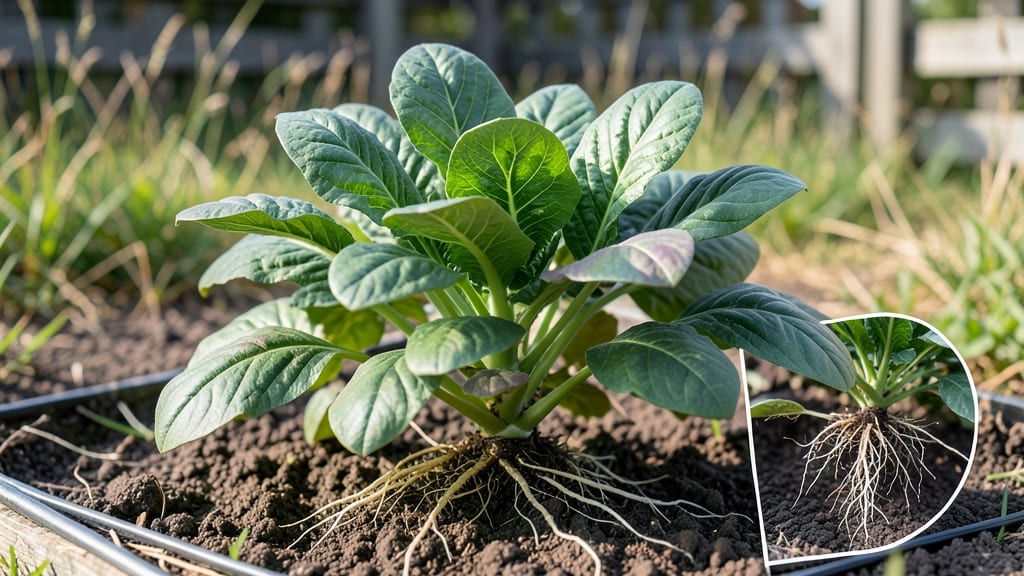
Mustard greens grow with surprisingly shallow roots, typically reaching just 1 to 2 inches deep—far less than many gardeners expect for a leafy green.
If you’ve ever watched your 🌱 mustard greens struggle to thrive after planting them too deep, you’re not alone. These fast-growing greens rely on a loose, airy soil surface to establish roots quickly, and burying them too far can suffocate them before they even sprout.
The key to success? Planting them shallow and keeping the soil loose around their delicate root systems.
Understanding how deep mustard greens roots grow isn’t just about planting—it’s about timing, too. In USDA Zone 6a, where spring planting kicks off in March, getting the depth right means the difference between a fast harvest in 30 days and a stunted, slow-growing mess.
The secret lies in mimicking their natural preference for well-draining, nutrient-rich topsoil where roots can spread freely.
Below, I’ll break down the ideal planting depth, soil prep tricks to encourage strong roots, and common mistakes that derail growth—so you can enjoy those peppery leaves in no time.


Mustard greens root depth explained: why shallow roots matter for growth
Mustard greens thrive on speed—ready for harvest in just 25–45 days—but their shallow root system is often misunderstood. Unlike deep-rooted vegetables like carrots, mustard greens develop a primary taproot that grows only 6–12 inches deep alongside a network of fibrous secondary roots.
This shallow spread allows them to absorb nutrients and water quickly, fueling their rapid growth. Planting too deep can suffocate the roots and delay harvests.
The key to success lies in understanding how their roots behave. Mustard greens belong to the Brassica family, which includes other shallow-rooted greens like kale and collards. Their roots spread horizontally more than they grow vertically, creating a dense mat that stabilizes the plant and maximizes nutrient uptake.
This unique structure explains why they’re so responsive to light fertilization and consistent moisture—both of which are absorbed efficiently through their shallow system.
Here’s a quick breakdown of their root system and why it matters for your garden:
| Root Type | Depth | Function | Growth Impact |
|---|---|---|---|
| Primary Taproot | 6–12 inches | Anchors plant, stores nutrients | Deep enough for stability but not excessive |
| Fibrous Secondary Roots | 0–4 inches (surface level) | Absorbs water/nutrients | Critical for fast nutrient uptake |
| Total Root Zone | 0.5–1 inch (ideal planting depth) | Surface-level spread | Maximizes early growth speed |
Planting mustard greens at the correct depth—0.5–1 inch—ensures their roots aren’t buried too deep, which can lead to rotting or stunted growth. Shallow planting encourages the fibrous roots to spread horizontally, creating a dense network that absorbs nutrients and water efficiently.
This is especially important in loamy, well-draining soil, which mustard greens prefer. Compacted or waterlogged soil can suffocate their roots, slowing down growth and reducing yield.
One of the biggest misconceptions about mustard greens is that they need deep planting, like root vegetables. In reality, their shallow roots thrive near the surface, where soil temperatures are warmer and moisture is more accessible.
This is why they’re often grown in spring and fall, when soil conditions are ideal for their root development. During hot summers, their shallow roots can dry out quickly, so consistent mulching and even watering are essential to maintain moisture levels.
The speed at which mustard greens grow is directly tied to their root system. When planted correctly, their roots establish quickly, allowing the plant to focus energy on leaf production. This is why you’ll see harvest-ready greens in as little as 25 days—their shallow roots are designed for efficiency.
If you’ve ever planted mustard greens too deep and noticed slow growth or yellowing leaves, it’s likely because the roots struggled to access oxygen and nutrients. Adjusting your planting depth can make a dramatic difference in your yield.
Another factor to consider is how mustard greens compete with weeds. Their shallow roots mean they can’t outcompete deep-rooted weeds for nutrients. Keeping the planting area weed-free is crucial, especially in the early stages of growth.
A light layer of organic mulch can help suppress weeds while retaining moisture for those critical surface-level roots. This simple step can boost your harvest by ensuring the mustard greens have unobstructed access to the nutrients they need.
For gardeners in USDA Zone 6a or similar climates, timing your planting to align with soil warming is key. Mustard greens germinate best in soil temperatures between 45–85°F, and their shallow roots benefit from the natural warmth of surface soil.
Planting too early in cold soil can delay germination and root development, while planting too late in hot weather can stress the plants. Aim for spring or fall plantings to give their roots the ideal conditions for growth.
If you’re growing mustard greens in containers, their shallow roots make them an excellent choice. A 5–6 inch deep pot is sufficient, as long as it has drainage holes to prevent waterlogging.
The roots will spread outward, filling the container’s base and creating a dense network that supports rapid growth. Just be sure to use a well-draining potting mix to mimic the loose, fertile soil they thrive in.
Understanding the root depth of mustard greens isn’t just about planting correctly—it’s about creating the right environment for their unique growth habits. By keeping their roots shallow, providing consistent moisture, and avoiding overcrowding, you’ll set your mustard greens up for a fast, bountiful harvest.
Whether you’re a beginner or a seasoned gardener, paying attention to their root system can transform your yields and make your gardening experience more rewarding.
How to plant mustard greens for optimal root development (step-by-step)
Mustard greens thrive with proper planting techniques that prioritize their shallow root system. Unlike deep-rooted vegetables, they develop best when planted just ¼ to ½ inch deep—any deeper, and they struggle to reach the surface.
The key to strong roots lies in loamy, well-draining soil mixed with compost, which encourages rapid fibrous root growth. I’ve learned that even a slight delay in germination can be fixed by keeping the soil consistently moist but never soggy.
Before planting, test your soil’s drainage and pH. Mustard greens prefer a slightly acidic to neutral pH of 6.0–7.0. If your soil is heavy clay, amend it with sand or perlite to improve aeration.
I always add a 1-inch layer of compost to the top 6 inches of soil—this mimics their natural habitat and ensures roots have easy access to nutrients. A quick tip: Avoid fresh manure, as it can burn tender roots.
Step-by-Step Planting for Healthy Mustard Greens Roots
-
Step 1: Choose the Right Location
Select a spot with full sun to partial shade (6+ hours of sunlight). Mustard greens tolerate light shade but produce bolder leaves in full sun. -
Step 2: Prepare the Soil
Loosen soil to a depth of 6–8 inches and mix in 2–3 inches of compost. Avoid compacted areas where roots can’t spread. -
Step 3: Plant Seeds at the Correct Depth
Sow seeds ¼ inch deep in rows 12–18 inches apart. If transplanting seedlings, place them ½ inch deep to avoid disturbing roots. -
Step 4: Space Plants Properly
Thin seedlings to 6–12 inches apart once they’re 2–3 inches tall. Overcrowding leads to weak roots and poor air circulation. -
Step 5: Water Gently After Planting
Use a fine mist or drip irrigation to keep soil moist. Avoid overhead watering, which can compact soil and suffocate roots. -
Step 6: Mulch to Retain Moisture
Apply 1–2 inches of straw or shredded leaves around plants to prevent soil crusting and maintain even moisture.
After planting, monitor your mustard greens for signs of root stress, like yellowing leaves or stunted growth. These often indicate overwatering or poor drainage. I’ve found that mulching with straw helps retain moisture while preventing soil compaction.
For container gardening, use pots with drainage holes and a soil mix of 60% potting soil and 40% perlite to mimic loose garden soil.
Mustard greens are fast growers, so don’t be tempted to over-fertilize. A light application of balanced fertilizer (10-10-10) at planting and again when leaves appear is enough.
Too much nitrogen can lead to lush foliage but weak roots. I always fertilize in the early morning to avoid burning tender roots during hot afternoons.
Harvest your mustard greens when leaves reach 4–6 inches, cutting outer leaves first to encourage regrowth. This method keeps the plant productive and ensures a steady supply. If you’re growing for baby greens, harvest in just 3–4 weeks—their shallow roots make them ideal for quick-turnaround crops.
With the right planting depth and care, your mustard greens will develop a robust root system in just 2–3 weeks, setting the stage for a bountiful harvest.
Remember, shallow roots mean frequent watering and gentle handling—treat them like delicate sprouts, and they’ll reward you with bold, peppery leaves all season long. 🌱