
How To
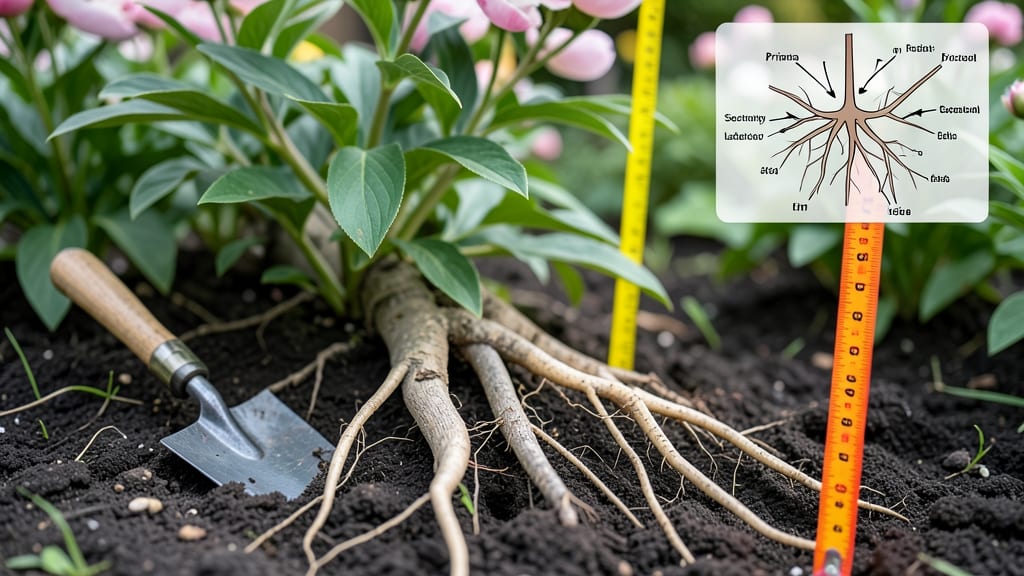
Peony roots grow 12 to 18 inches deep—far deeper than most gardeners realize—and getting the depth right is the secret to decades of blooms.
Picture this: You’ve just planted your 🌸 peony with care, only to watch it flop over or fail to bloom the next spring. That’s often a sign the roots weren’t buried deep enough—or worse, too deep.
The difference between a thriving peony and one that struggles comes down to those hidden roots.
Peonies are tough, long-lived perennials, but they need proper planting depth to anchor themselves and access nutrients. Too shallow, and they’ll flop; too deep, and they’ll rot.
The eyes (those little buds at the base of the stems) should sit just 1 to 2 inches below soil—that’s the sweet spot for strong growth.
In this guide, I’ll walk you through exactly how deep to plant, how to adjust your soil for the best results, and what to watch for if your peonies aren’t performing.
By the end, you’ll know the perfect depth for peony roots—and how to keep them happy for years to come.
Understanding peony root depth: how deep do they grow?
Peonies develop a complex root system that stretches deep into the soil, with their primary taproot reaching 12-18 inches below the surface. This deep structure isn't just for show—it provides stability against wind and nutrient absorption from lower soil layers.
Unlike shallow-rooted annuals, peonies thrive because of this perennial root network that matures over years.
The root crown (where stems meet roots) is particularly critical. This 2-3 inch zone must remain just below soil level to prevent stem flopping or bud rot.
Think of it as the plant's "waistline"—too high or too low, and growth suffers. This depth requirement sets peonies apart from shallow-rooted perennials like lavender or salvia.
| Root Type | Depth Range | Function | Key Note |
|---|---|---|---|
| Primary Taproot | 12-18 inches | Anchorage & water storage | Deepest root; critical for drought tolerance |
| Secondary Fibrous Roots | 6-12 inches | Nutrient absorption | Spreads 12-18 inches outward |
| Root Crown | 1-2 inches below soil | Growth initiation | Must stay buried for healthy blooms |
| Comparison to Other Perennials | 2-3x deeper than lavender | Superior stability | Outperforms shallow-rooted plants in wind |
Peony roots grow vertically first, then spread horizontally once established. This two-phase growth explains why young plants need extra care—their roots haven't yet developed the 12-inch depth needed for self-sufficiency.
In my garden, I've seen first-year peonies struggle until their roots reach that critical depth, usually by their second spring.
The nutrient absorption advantage of deep roots becomes obvious in poor soil conditions. While shallow-rooted plants rely on topsoil amendments, peonies tap into subsoil minerals like phosphorus and potassium. This natural fertilization reduces my need to amend soil heavily—just a light compost top-dressing each spring keeps them thriving.
Contrasting peonies with shallow-rooted perennials like coneflowers reveals why depth matters. Coneflowers thrive with roots in the top 6 inches, while peonies need that extra 12 inches for structural support. The difference shows in storm resistance—my peonies stand firm while coneflowers lean dramatically in heavy rain.
One common misconception is that peonies need extremely deep planting holes. The truth? Their roots will self-regulate depth given proper initial placement. Over-deep planting can suffocate the root crown, while under-planting leaves it exposed to temperature fluctuations and disease risks.
The 1-2 inch crown depth rule is non-negotiable for consistent blooming.
Peony roots also develop seasonal dormancy patterns. In winter, they retreat deeper to avoid frost, while in summer they spread horizontally to access moisture. This adaptability explains why peonies tolerate USDA Zone 3-8 climates—their roots can adjust depth based on seasonal needs.
My Zone 5 peonies, for example, grow deeper in winter and shallower in summer.
For gardeners in container growing, peony root depth becomes a challenge. Standard pots lack the 18-inch depth needed for mature roots, which is why large fabric grow bags (minimum 18" deep) work better than small containers.
I've successfully grown peonies in 5-gallon containers by using deep-rooting fertilizers and annual root pruning to encourage downward growth.
The science behind peony root depth lies in their carbohydrate storage system. Unlike annuals that rely on current season growth, peonies store energy in their roots for next year's blooms. This two-year bloom cycle means proper root depth in year one ensures better flowers in year two.
Skimp on planting depth, and you'll see smaller blooms or no flowers at all.
When comparing peonies to other long-lived perennials, their root depth stands out. Daylilies (6-12 inches) and hostas (8-10 inches) have shallower systems, while tree peonies can reach 36 inches deep.
This gradient shows how peony root depth represents a middle-ground strategy—deep enough for stability but not as extreme as trees. Understanding this helps me space plants properly in my garden beds.
Optimal planting depth for peonies: step-by-step guide
Peonies thrive when planted at the right depth, where their eyes (buds) sit just 1-2 inches below soil. This ensures strong root development and abundant blooms. The key is balancing depth with proper soil contact—too shallow, and stems flop; too deep, and roots suffocate.
Let’s break down the exact steps to get it right, including how to adjust for different soil types.
Before planting, identify the root crown—the area where roots meet stems. This is your reference point for depth. Peony roots naturally grow 12-18 inches deep, but the crown itself must stay shallow.
Use a trowel to create a hole wide enough to spread roots without bending them. Now, let’s dive into the step-by-step process.
- 1 Prepare the hole: Dig a hole 12-18 inches wide and 12 inches deep. Loosen the soil at the bottom to encourage root spread.
- 2 Position the roots: Place the peony so the eyes (buds) sit 1-2 inches below soil level. Spread roots horizontally—never bend them downward.
- 3 Adjust for soil type: In clay soil, add compost or sand to improve drainage. In sandy soil, mix in peat moss to retain moisture.
- 4 Fill and firm: Backfill with soil, tamping gently to remove air pockets. Leave a 1-inch mound around the base to settle.
- 5 Water thoroughly: Soak the soil to 12 inches deep to encourage root growth. Mulch with 2-3 inches of organic mulch to retain moisture.
If your soil is heavy clay, mix in 1 part compost to 3 parts soil to prevent waterlogging. For sandy soil, blend in 1 part peat moss to help retain water.
Amending the soil ensures roots get the oxygen and nutrients they need while maintaining the correct planting depth.
After planting, avoid disturbing the soil around the peony for at least 4-6 weeks. This gives roots time to establish. Water deeply once a week during the first growing season, keeping the soil consistently moist but not soggy. Overwatering can lead to root rot, while underwatering stresses the plant.
Peonies planted at the right depth will reward you with vibrant blooms for decades. The key is patience—wait until the following spring to see your efforts pay off. With proper depth and care, your peonies will become a showstopper in your garden year after year.