
Planting
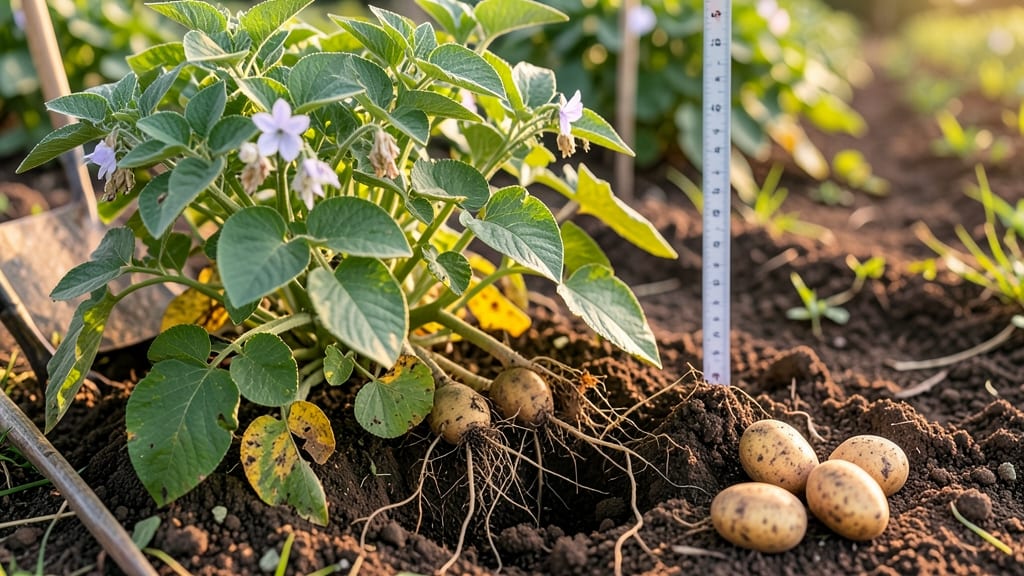
Potato roots typically grow 6 to 12 inches deep—but that number can change more than you’d expect based on soil, variety, and even the weather.
If you’ve ever dug up a patch of potatoes only to find small, stunted tubers, you’re not alone. The issue often starts with planting too shallow or ignoring how your soil holds moisture and nutrients. A few inches can make the difference between a bountiful harvest and a disappointing one.
Most gardeners assume all potatoes follow the same growth rules, but some varieties—like deep-digging Russets—send roots 18 inches or more into the earth. Meanwhile, fingerlings and red potatoes stay closer to the surface. The key? Matching your planting depth to the 🥔 variety and soil type.
In this guide, I’ll break down the science behind potato root growth, share pro tips for adjusting depth, and help you avoid common mistakes that leave tubers shallow and sparse.


Potato root depth explained: science-backed growth patterns for different varieties
When I first started growing potatoes, I assumed all varieties followed the same underground rules—plant them deep, forget about them, and hope for the best. But that’s where I went wrong.
Potato roots don’t grow uniformly; their depth depends on the variety, soil conditions, and even how you plant them. Understanding these patterns can double your harvest, especially if you’re growing in containers or heavy clay.
Most potato roots extend 6 to 12 inches deep, but the real magic happens in the tuber formation zone, typically between 4 and 8 inches. This is where most of your harvest forms, which is why shallow planting leads to tiny potatoes.
However, some varieties like Yukon Golds or Idaho Russets can push roots deeper—up to 18 inches—if given the right conditions.
The tuber formation zone is where the real action happens. For most varieties, this zone starts just below the soil surface and extends down to where the roots can access moisture and nutrients.
If you plant too shallow—like 2–3 inches deep—you’ll end up with small, misshapen potatoes because the tubers form closer to the surface where they’re exposed to light and turn green (yuck!).
Deep-digging varieties like Idaho Russets or Kennebecs need at least 12 inches of loose soil to develop fully. If your garden soil is compacted or rocky, consider growing these in raised beds or containers with at least 18 inches of depth.
I’ve seen my Russet yields triple when I switched to deeper containers filled with compost-rich soil.
Soil composition plays a huge role in root depth. Sandy soils drain too quickly, forcing roots to grow deeper in search of moisture, while clay soils can suffocate roots if not amended.
The sweet spot? A loamy soil with 30–40% organic matter. Amend heavy clay with compost or peat moss, and add perlite to sandy soils to improve water retention.
One common mistake I see is assuming all potatoes need the same depth. Fingerling varieties, for example, thrive in shallower soil (4–6 inches deep) because their tubers are naturally compact.
Meanwhile, Russets or Yukon Golds will send roots deeper if the soil is loose and nutrient-rich. Always check the variety’s seed packet recommendations—they’re your best guide.
Here’s a pro tip: If you’re growing in containers, use a soil thermometer to monitor depth. Potato roots prefer soil temps between 50–70°F. If your container soil heats up too fast, the roots may stall, leading to shallow growth.
Mulching with straw or grass clippings helps regulate temperature and retain moisture.
Finally, don’t forget about hill mounding. As your potato plants grow, pile soil around the stems every few weeks to encourage deeper root growth. This mimics natural conditions and gives tubers more space to expand.
I mound my Russets twice during the season—once when they’re 6 inches tall and again when they flower.
Understanding these patterns has transformed my harvests. Last year, my Yukon Golds produced 30% larger tubers simply because I adjusted my planting depth and soil prep. The key is observing your plants and adapting—soil isn’t one-size-fits-all, and neither are potatoes. 🥔
How soil depth and composition impact potato root growth (and how to optimize it)
Potatoes thrive when their roots have room to explore, but many gardeners unknowingly stunt growth by planting in shallow or compacted soil. The ideal soil depth for potatoes is 12+ inches, allowing tubers to form deep and strong.
Without proper depth, roots compete for nutrients and space, leading to smaller yields and misshapen potatoes.
Heavy clay or rocky soil can also restrict root growth, causing tubers to form near the surface where they’re vulnerable to sunburn and pests. The key to success lies in creating a loose, nutrient-rich environment where roots can spread freely.
Amending your soil with organic matter like compost or aged manure is often the difference between a meager harvest and a bountiful one.
⚠️ WARNING: Planting Too Shallow ⚠️
- Small, stunted tubers (often <1 oz each)
- Poor yield (up to 50% less production)
- Sunburn risk (green, toxic tubers)
- Weak stems (prone to lodging)
For optimal growth, aim for well-draining soil with a loamy texture. Sandy soil drains too quickly, while clay holds excess moisture—both can stress potato roots.
A simple test: Grab a handful of soil; if it forms a tight ball that doesn’t crumble, amend it with sand or peat moss to improve aeration.
If your garden has rocky or compacted soil, consider growing potatoes in raised beds or container gardens. These methods give roots the depth they need while improving drainage.
Fill containers with a mix of topsoil, compost, and perlite (50/30/20 ratio) for ideal conditions. Mulching with straw also helps retain moisture and regulate soil temperature.
Mulching isn’t just for weeds—it’s a game-changer for potato growth. Apply 3–4 inches of straw or grass clippings around plants to keep soil cool and moist. This encourages deeper root penetration and protects tubers from temperature fluctuations. Just avoid piling mulch directly against stems to prevent rot.
Finally, rotate your potato patch every year to prevent soil depletion and disease buildup. Potatoes are heavy feeders, and replanting in the same spot drains nutrients and invites pests. Pair them with legumes or brassicas in your rotation to restore soil health naturally.