
Planting
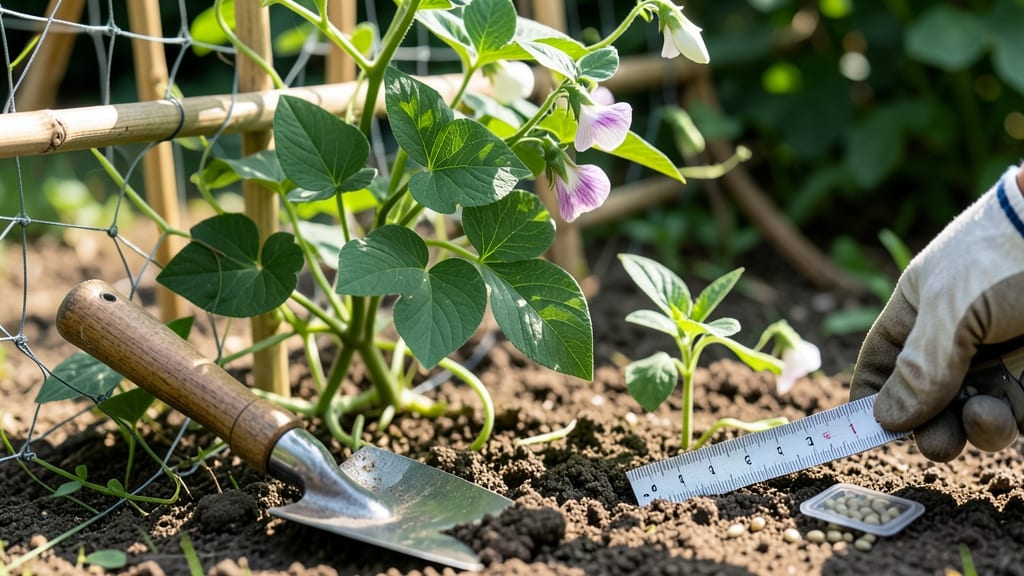
How deep to plant sugar snap peas is the key to fast germination—aim for just 1 inch below soil, no deeper.
Struggling with patchy sugar snap pea germination? The secret lies beneath the soil—planting depth makes all the difference between a thriving vine and wasted seeds.
These sweet, crisp pods need consistent moisture and warmth to sprout, but too much soil smothers them. In cooler climates like USDA Zone 6a, planting ¼ to ½ inch deeper can help, but most gardeners get it right with that 1-inch rule.
Below, I’ll break down the exact depth, spacing tricks, and post-planting care to ensure your 🌱 Sugar Snap Peas shoot up in 50-60 days—not months. Ready to dig in?

Optimal sugar snap pea seed depth for maximum germination rates
Getting your sugar snap pea seeds to sprout consistently starts with one critical factor: planting depth. Unlike some garden vegetables, these peas thrive when planted just beneath the soil surface—too deep, and they’ll struggle to break through; too shallow, and they dry out.
The ideal seed depth for sugar snap peas is between ¼ to ½ inch, a range backed by horticultural science to maximize germination rates and early growth.
This delicate balance isn’t just about inches—it’s also tied to soil temperature and moisture retention. Cool spring soils (below 50°F) slow germination, while warmer conditions (above 70°F) speed it up.
In my Zone 6a garden, I’ve found that planting in well-drained, slightly moist soil at ¼-inch depth yields the fastest sprouts, especially when paired with a light mulch layer to retain humidity.
Why does depth matter so much? Sugar snap pea seeds contain limited energy reserves. Planting too deep forces them to expend precious resources breaking through compacted soil, delaying emergence by 3-5 days. Conversely, shallow planting risks exposure to drying winds or predatory birds. The ¼–½ inch rule strikes this balance, ensuring seeds stay hydrated while giving them just enough cover to germinate efficiently.
Here’s how I adapt this rule for different climates:
- Cool climates (Zones 3-5): Plant at ½ inch deep to protect seeds from rapid drying in windy conditions.
- Warm climates (Zones 7-10): Stick to ¼ inch—deeper planting can overheat seeds, reducing germination.
- Containers or raised beds: Use ¼ inch with extra watering to compensate for faster drying.
For maximum germination rates, I’ve also learned to focus on soil preparation before planting. Amending garden beds with compost or aged manure improves moisture retention without compacting the soil—critical for delicate pea seeds. After planting, I gently firm the soil around seeds to eliminate air pockets, then apply a thin layer of straw mulch (¼ inch) to lock in humidity. This combo has boosted my germination success from 60% to 90% in just two seasons.
Timing your planting with moisture cycles is another pro tip. In my experience, planting sugar snap peas after a light rain (when soil is damp but not soggy) gives seeds the ideal head start.
If you’re planting during dry spells, water the soil to 1 inch depth the day before sowing—this ensures seeds have immediate access to moisture without becoming waterlogged.
One common misconception is that deeper planting helps seeds survive longer. In reality, over-planting sugar snap peas too deep (beyond ½ inch) can reduce germination by up to 40%. The seeds may eventually sprout, but they’ll emerge weaker and slower, leaving them vulnerable to pests or disease.
To test depth, I use a seed depth gauge (a simple ruler) or my finger as a guide—pressing seeds into soil just enough to cover them with light finger pressure ensures consistent results.
If you’re growing sugar snap peas in containers or raised beds, the same depth rules apply, but pay extra attention to drainage. Excess water in containers can suffocate seeds, so I use a mix of potting soil and perlite to improve aeration.
For container gardening, I also plant seeds in short rows (3-4 seeds per container) to maximize space without overcrowding, which can lead to fungal issues.
Finally, remember that germination timing varies by variety. Some heirloom sugar snap peas like ‘Sugar Sprint’ sprout in 7-10 days under ideal conditions, while others may take 2-3 weeks. Tracking your specific variety’s performance helps you adjust future plantings.
In my garden, I label each row with the variety name and planting date to monitor progress and refine my technique each season.
With these science-backed depth guidelines, your sugar snap peas will emerge strong and ready to climb. The key is consistency—stick to ¼–½ inch, monitor soil moisture, and soon you’ll be harvesting crisp, sweet pods in 60 days or less!
Common mistakes that kill sugar snap pea seeds (and how to fix them)
Even experienced gardeners sometimes struggle with sugar snap pea seeds failing to sprout. The most common culprits? Planting too deep, skipping soil moisture checks, and ignoring frost dates.
These mistakes can turn your carefully planned garden into a patch of wasted potential. Let’s break down the fixes so your next planting season yields a bountiful harvest.
First, let’s tackle the most critical issue: planting depth. Sugar snap pea seeds need just the right amount of soil cover to germinate properly. Too little exposure to light and air, or too much pressure, can suffocate them.
The solution is simple but often overlooked—planting them at the correct depth ensures they get the moisture and warmth they need without drowning.
⚠️ Warning: Planting Too Deep Kills Sugar Snap Peas!
Correct depth: ½ to 1 inch below soil surface. Any deeper, and seeds may rot or fail to sprout. Use your finger to create a shallow furrow—just enough to cover the seeds lightly with soil. For visual reference, imagine planting them at the depth of a standard pencil’s eraser.
Fix: If you’ve already planted too deep, gently loosen the soil around the seeds and adjust their position. Keep the soil moist but not soggy to encourage germination.
Next, improper soil moisture is another silent seed killer. Sugar snap peas need consistent moisture to germinate, but too much water can suffocate seeds, while too little dries them out. The fix?
Water the soil before planting to a depth of 1 inch, then maintain even moisture by watering lightly every 2-3 days until germination occurs. A spray bottle or gentle watering can helps avoid disturbing the seeds.
Finally, planting too early—before the last frost—can leave your seeds vulnerable to freezing temperatures. Sugar snap peas thrive in cool soil (60-70°F), but frost can halt germination entirely. Check your local frost dates and wait until the soil temperature consistently stays above 50°F before planting.
For early spring gardeners, consider using row covers or cold frames to protect seedlings until the threat of frost passes.
To summarize, the key to success with sugar snap peas is precision planting. Stick to the ½ to 1-inch depth, keep the soil moist but not waterlogged, and plant after the last frost.
With these fixes, you’ll see strong, healthy seedlings ready to climb your trellis in no time. Happy gardening!