
Planting
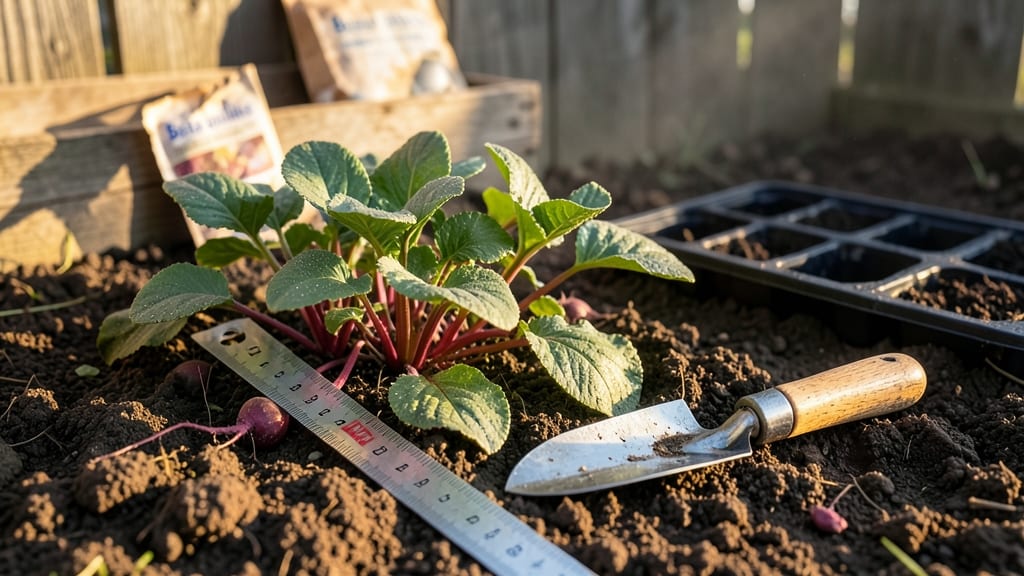
To plant beets properly, you’ll want to know how far apart should beets be planted—space them 1-2 inches apart when sowing seeds, then thin to 3-4 inches as they grow—this ensures roots develop fully without competing for nutrients.
Struggling to grow beets that reach their full potential? The secret to juicy, plump beets isn’t just in the soil—it’s in the spacing. Plant them too close, and you’ll get stunted roots and bitter greens. Too far apart, and you’ll waste precious garden space.
Spacing matters because beets need room to expand their roots—crowded plants twist and fork, ruining their shape. Meanwhile, proper airflow prevents fungal diseases, so your harvest stays healthy and flavorful.
Below, I’ll break down the ideal spacing for different beet varieties, how to adjust for soil type, and pro tips to maximize your yield without overcrowding. Ready to grow perfect beets?
Optimal beet planting spacing by variety: root vs leaf types
Not all beets are created equal—and their spacing needs aren’t either! Root beets like Detroit Dark Red need room to grow plump, while leaf beets such as Fordhook Giant focus on lush greens.
Getting this wrong means forked roots or bitter leaves. Let’s break down the perfect distance for each type to maximize your harvest.
For root-type beets, spacing is critical. These varieties develop large, round roots that need elbow room to avoid competition. Planting them too close forces roots to grow in odd shapes or split, ruining their sweet flavor.
Meanwhile, leaf-type beets prioritize leafy greens over root size, so they can handle slightly tighter spacing.
The general rule is 1-2 inches apart when first sowing, but thinning is key. Most gardeners thin seedlings to 3-4 inches apart for root types and 2-3 inches apart for leaf types. This ensures roots develop properly and leaves grow full and tender, not stunted.
Here’s where many gardeners go wrong: they assume one spacing fits all. In reality, Detroit Dark Red (a root type) needs 4 inches apart, while Baby Leaf Hybrid (a leaf type) thrives with 2 inches apart. Misjudging this can mean wasted space or poor-quality harvests.
Spacing isn’t just about numbers—it’s about root development and flavor. Root beets left too close develop hard, woody textures and bitter tastes due to stress. Leaf beets, on the other hand, need room to photosynthesize efficiently, or their greens turn tough and stringy.
Think of spacing as the difference between a juicy steak and a chewy jerky—one is all about the conditions!
Pro tip: Use a seed tape or planting grid to maintain even spacing. This is especially helpful for small gardens or container growing, where every inch counts. Mark your rows with stakes or string to avoid guesswork. Precision here means bigger roots and healthier greens.
Don’t forget about row spacing too! While individual plants need their space, rows should be 12-18 inches apart to allow for weeding, watering, and airflow. Poor airflow can lead to fungal diseases like leaf spot, which ruins both roots and greens.
Aim for 18 inches between rows if your soil is heavy or prone to staying wet.
If you’re growing beets in containers, reduce spacing slightly to 2-3 inches apart for root types and 1-2 inches for leaf types. Just ensure your pots are at least 6 inches deep—shallow containers stunt root growth.
For succession planting, stagger your sowing every 2 weeks to maintain a steady harvest without overcrowding.
Final thought: Observe your beets as they grow. If leaves look yellow or stunted, they’re competing for nutrients. If roots are forked or small, they’re crowded. Adjust your spacing next time! With the right distance, you’ll enjoy sweet, plump beets all season long.
How to adjust beet spacing for soil type and climate
Your beet spacing needs to adapt to your local conditions—whether you're dealing with heavy clay soil or sandy loam. The standard 3-4 inch spacing works for average garden soil, but extreme conditions demand adjustments.
In dry climates, for example, wider spacing helps roots access moisture, while cool, wet regions may require closer planting to prevent fungal issues.
Soil fertility also plays a role. Rich, compost-amended soil allows roots to expand faster, so you can plant slightly closer (2-3 inches) without competition. Meanwhile, poor or rocky soil means wider gaps (4-5 inches) to give roots room to grow.
Understanding these variables ensures your beets develop properly without forking or bolting prematurely.
Beet roots need space to grow straight. Planting closer than 2 inches forces roots to split (forking), ruining harvest quality. In clay soil, increase spacing to 4-5 inches—compaction slows root expansion. In sandy soil, reduce to 2-3 inches to prevent moisture loss.
Climate tip: Hot, dry areas? Space 5-6 inches apart to reduce water competition.
Rainfall patterns directly impact spacing. In high-rainfall zones, wider gaps (4-5 inches) prevent root rot from soggy soil. Conversely, arid regions benefit from closer planting (2-3 inches) to create a living mulch that retains moisture.
Always adjust based on your local rainfall averages—check your USDA zone for guidance.
Temperature also affects spacing needs. Cool-season varieties (like Detroit Dark Red) can handle 3-inch spacing in spring, but heat-tolerant types (like Chioggia) need 4-5 inches to avoid stress. If your area has short growing seasons, prioritize wider spacing to maximize root size before harvest.
Don’t forget about companion planting when adjusting spacing. If growing beets near lettuce or carrots, maintain 3-4 inch gaps to avoid competition. For large-root varieties like Golden Beets, stretch spacing to 5 inches—their roots need room to bulk up. Always thin seedlings early to prevent overcrowding.
Pro tip: Use a soil probe to check root depth before finalizing spacing. If roots hit obstacles (like clay layers) at 3 inches deep, widen spacing to 5 inches for deeper growth. Pay attention to your beets’ foliage health—yellowing leaves signal overcrowding or poor spacing.
With these adjustments, you’ll grow plump, straight beets regardless of your soil type or climate. Start with the standard 3-4 inch spacing, then tweak based on your garden’s unique conditions. Happy planting!