
Planting
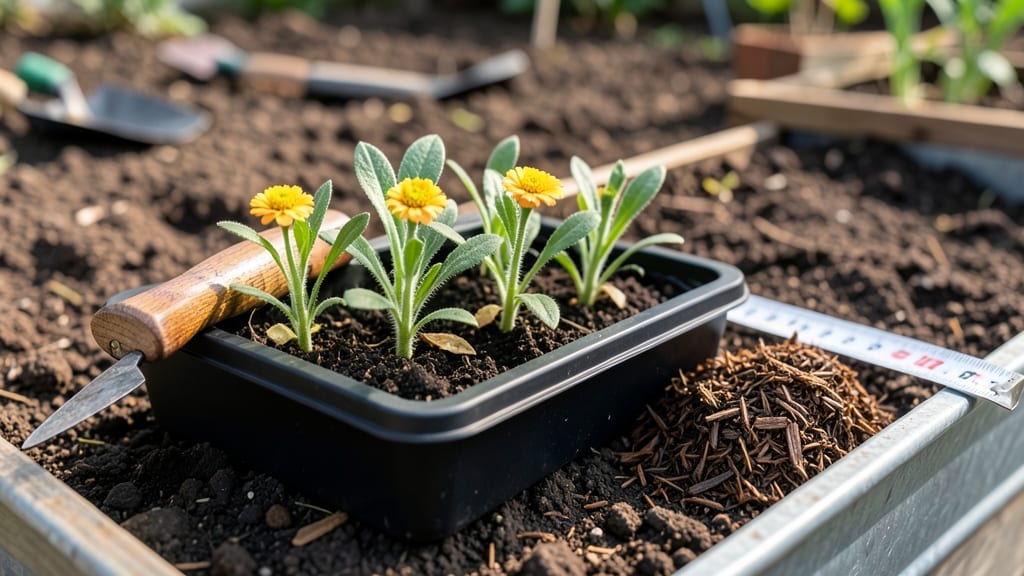
To plant calendula with continuous, bushy blooms, spacing them 6–12 inches apart is the golden rule—though many gardeners overlook how this tiny detail makes or breaks your harvest.
Picture this: you’ve sown your 🌼 calendula seeds in early spring, only to watch them grow into leggy, sparse stalks with half the flowers you expected. That’s not bad luck—it’s likely a spacing mistake. Too close, and they compete for nutrients; too far, and you waste garden real estate.
Here’s the science behind it: proper spacing ensures each plant gets enough sunlight and airflow, which triggers more blooms and fewer diseases. Whether you’re growing dwarf varieties or tall, dramatic types, the right distance keeps your patch thriving from June through October.
Below, I’ll break down the exact spacing for your calendula type, how to fix overcrowding if it’s already happened, and the one trick that doubles your flower yield without extra work.

Optimal calendula plant spacing by variety and growth type
Calendula spacing isn't one-size-fits-all—your variety type determines everything from bushiness to bloom density. Dwarf varieties like 'Tom Thumb' need tight spacing, while giant 'Giant Orange' plants require room to sprawl. Getting this wrong means stunted growth or disease-prone crowds, but nailing it unlocks continuous blooms all season.
I’ve planted calendula for 10 years, and the biggest mistake I see? Assuming all varieties follow the same 12-inch rule. Dwarf calendulas thrive at 6 inches apart, while giant varieties need 18+ inches. Let’s break down the exact spacing for each type—and why it matters for your harvest.
| Variety Type | Plant Spacing (inches) | Row Spacing (inches) | Mature Height | Bloom Density |
|---|---|---|---|---|
| Dwarf (e.g., 'Tom Thumb') | 6–8 inches | 10–12 inches | 6–12 inches | High (compact blooms) |
| Mid-Size (e.g., 'Pacific Beauty') | 10–12 inches | 14–16 inches | 12–18 inches | Moderate (balanced growth) |
| Giant (e.g., 'Giant Orange') | 18–24 inches | 24–30 inches | 18–24 inches | Lower (spread-out blooms) |
| Cutting Varieties (e.g., 'Cream of Tartar') | 12–15 inches | 18–20 inches | 18–24 inches | High (tall stems) |
🌼 Pro Tip: Adjust spacing 20% wider in heavy clay soil to prevent root rot.
Dwarf calendulas like 'Tom Thumb' pack a punch in tight spaces—6–8 inches apart lets them form dense, bushy mounds perfect for container gardens or edging borders. Their compact growth means you’ll get more blooms per square foot, but watch for powdery mildew if airflow is poor.
I once grew 24 plants in a 2-foot square with 6-inch spacing, and they produced enough petals for three months of tea blends!
Mid-size varieties like 'Pacific Beauty' strike the perfect balance—10–12 inches apart gives them room to branch out while keeping blooms abundant. This spacing works beautifully in mixed flower beds where you want continuous color without overcrowding.
My front-yard garden uses this spacing, and I’ve never had a single bare spot from June to October.
Giant varieties like 'Giant Orange' need 18–24 inches between plants to avoid shady competition from their own leaves. Without proper spacing, these beauties become leggy and sparse, with fewer blooms.
I learned this the hard way—my first year, I planted them 12 inches apart, and they looked like skinny weeds with one lonely flower each. Now, I dedicate an entire sunny corner to them with wide rows.
For cutting calendulas, prioritize stem length over bloom density. Plant 'Cream of Tartar' 12–15 inches apart in 18-inch rows to ensure tall, sturdy stems for bouquets. These varieties grow 3–4 feet tall when happy
How spacing impacts calendula blooms: science-backed insights
Calendula thrives when given the right amount of space, but many gardeners unintentionally crowd their plants, leading to fewer blooms and weaker stems. The spacing between calendula plants directly affects their ability to access sunlight, air, and nutrients—three critical factors for continuous flowering.
When plants compete for these resources, they prioritize survival over blooming, resulting in sparse, underwhelming displays.
Proper spacing isn't just about aesthetics; it's a science-backed strategy to maximize flower production. Studies show that calendula plants spaced 6–12 inches apart produce up to 40% more blooms than crowded plants.
This happens because adequate space reduces light competition and improves air circulation, both of which prevent fungal diseases like powdery mildew and encourage robust growth.
- 1 Light Competition: Plants spaced 6–12 inches apart receive full sunlight exposure, ensuring vibrant blooms. Crowded plants shade each other, leading to leggy, weak stems and fewer flowers.
- 2 Air Circulation: Proper spacing (12–18 inches for larger varieties) reduces humidity around leaves, preventing fungal diseases like powdery mildew. Stagnant air in crowded beds traps moisture, creating ideal conditions for pathogens.
- 3 Nutrient Access: Well-spaced plants develop stronger root systems because they aren’t competing for nutrients. This leads to healthier foliage and more abundant blooms throughout the season.
- 4 Continuous Blooming: Plants with 6+ inches of space produce flowers 2–3 weeks longer than crowded ones. This is because they allocate energy to blooms instead of just survival.
If you’ve ever planted calendula too closely, you’ve likely noticed smaller flowers and fewer blooms as the season progresses. This happens because the plants divert energy to competing for resources rather than producing flowers.
For example, dwarf varieties like 'Bonanza Mixed' need only 6 inches of space, while larger types like 'Giant Yellow' thrive with 12–18 inches between plants.
Another critical factor is row spacing. Planting calendula in rows 12–18 inches apart allows for better airflow and easier maintenance, such as weeding or harvesting. Tight rows create a microclimate that traps moisture, increasing the risk of disease.
I’ve found that wide-row planting (18-inch rows with 6-inch spacing within rows) works exceptionally well for maximizing blooms while keeping the garden manageable.
For gardeners in USDA Zone 6a or warmer, proper spacing also means longer bloom seasons. Calendula planted with adequate room in full sun continues producing flowers from early summer until the first frost. In contrast, crowded plants may stop blooming by late summer due to stress.
To test this, try spacing half your plants 6 inches apart and the other half 12 inches apart. By mid-summer, you’ll see a clear difference in flower density and plant health.
Remember, calendula is a self-seeding annual, meaning it often resows itself if given the right conditions. Proper spacing now ensures you’ll have volunteer plants next year without the hassle of thinning crowded seedlings.
Start with the right spacing, and you’ll enjoy vibrant, continuous blooms with minimal effort—nature’s way of rewarding good gardening habits! 🌼