
Planting
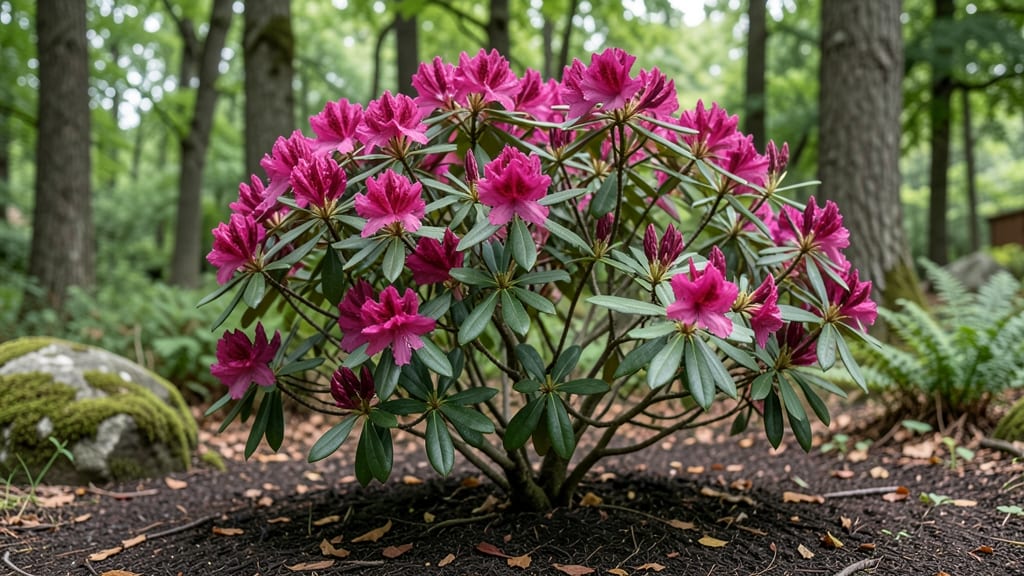
Azalea plants in shade don't just survive—they thrive with vibrant blooms and lush foliage when you get the light right. 🌿 I’ve watched my shade-loved azaleas explode with color after years of struggling with sun-scorched leaves, and the secret isn’t complicated: it’s about dappled light, not deep shadow.
These plants crave morning sun and afternoon shade, mimicking their natural understory habitat. The soil makes all the difference—acidic, well-draining mix is non-negotiable. My go-to blend is half peat or pine bark with half perlite, topped with a handful of sulfur to keep the pH between 4.5 and 6.0.
Water deeply once a week (more in summer), but never let them sit in soggy soil—the roots need air almost as much as moisture. You’ll know you’re doing it right when your azaleas burst with blooms in spring and maintain glossy leaves all season.
Prune right after flowering to shape the plant and encourage next year’s buds, but never cut into old wood—it won’t regrow. For winter, a thick layer of mulch keeps roots insulated from temperature swings.
Pair them with shade-loving companions like ferns, hostas, or caladiums for a layered, low-maintenance garden that feels like a secret forest. The key is patience—azaleas reward consistency over quick fixes, and once they’re happy, they’ll outshine even the sunniest garden beds.
📚 In This Guide
- What you need
- Instructions
- Tips and common mistakes
- Wrapping up and next steps
What you need
- ● Azalea plants: 3–5 mature azalea bushes (choose shade-tolerant varieties like Rhododendron 'Catawba or Rhododendron 'PJM').
- ● High-quality acidic soil: 5–10 bags (1 cubic yard per 3 bushes) with a pH of 4.5–6.0. Mix with 1 part peat moss or pine bark for drainage.
- ● Organic mulch: 2–3 bags of pine straw, cedar chips, or oak leaves (3–4 inches deep) to retain moisture and acidity.
- ● Slow-release fertilizer: 1 bag of azalea-specific granules (e.g., Miracle-Gro Azalea, Camellia & Rhododendron Food).
- ● Watering can or hose: With a gentle spray nozzle (azaleas hate soggy roots!).
- ● Garden gloves (to protect from thorns and soil acidity).
- ● Trowel or hand shovel (for delicate root handling).
- ● Pruning shears (sterilized with rubbing alcohol).
- ○ pH testing kit (optional but helpful for fine-tuning soil).
- ● Measuring tape (to space plants 3–5 feet apart).
- ● Wheelbarrow (for hauling soil/mulch).
- ● Shade cloth: 30%–50% coverage for young plants in intense low-light areas.
- ● Epsom salt: 1–2 tablespoons per plant (monthly) for magnesium boosts.
- ● Decorative rocks or bark: For a polished, woodland-garden look.
- ● Drip irrigation system: Automates watering for consistent moisture.
How to grow thriving azaleas in shady spots
Azaleas don’t need blazing sun—they actually prefer dappled shade. Here’s how to create the perfect low-light haven for these showy shrubs.
🌿 Step 1: Choose the Right Shade Location
Azaleas thrive in morning sun with afternoon shade or filtered light—think dappled sunlight through trees. Avoid deep, dark shade where they’ll grow leggy or flower poorly. I like to plant mine where they get 3-6 hours of gentle sunlight daily, like under tall pines or near a north-facing wall.
Test your spot by observing how sunlight moves through the area. If the ground stays damp in shade, your azalea will love it—just make sure it’s not soggy. The ideal location has well-draining soil and protection from harsh afternoon rays that can scorch leaves.
🪴 Step 2: Prepare the Soil for Acid-Loving Roots
Azaleas demand acidic soil (pH 4.5–6.0)—if yours is alkaline, amend it with peat moss or pine bark fines (about 2–3 inches mixed into the top 12 inches of soil). I spread a 3-inch layer of organic mulch (like pine needles or shredded bark) around the base to keep roots cool and retain moisture.
Dig a hole twice as wide as the root ball but no deeper—planting too deep suffocates roots. Loosen the roots gently if they’re circling the pot, then place the plant so the top of the root ball sits 1 inch above ground level. This prevents water from pooling around the stem.
☀️ Step 3: Water Deeply and Protect from Stress
Water deeply once a week (or more in hot weather) until the top 2–3 inches of soil feel moist. Azaleas hate soggy roots but also dry spells—think consistent moisture, not soggy soil. I use a soaker hose to water slowly at the base, avoiding wetting the leaves (which can invite fungal diseases).
In their first year, protect young azaleas from sudden temperature swings—they’re tender until established. If your climate has hot afternoons, a light shade cloth (30–50% coverage) keeps them from wilting. You’ll know they’re happy when new growth is dark green and glossy, not yellow or wilted.
✂️ Step 4: Prune for Shape and Encourage Blooms
Prune right after flowering (late spring) to shape the shrub and remove dead or crossing branches. Use clean, sharp shears to make cuts just above a leaf bud or lateral branch. Avoid heavy pruning—azaleas bloom on old wood, so trimming too much reduces next year’s flowers.
If your azalea grows leggy, it’s getting too much light. Trim back the longest stems by one-third to encourage bushier growth. You’ll see new shoots forming within 4–6 weeks—that’s your sign the plant is recovering and will bloom better next season.
🌱 Step 5: Feed and Protect for Long-Term Health
Feed once in early spring with an acid-loving plant fertilizer (look for one labeled for azaleas, camellias, or rhododendrons). I use a slow-release granular fertilizer spread lightly around the root zone, then water it in. Avoid high-nitrogen fertilizers—they promote leafy growth at the expense of flowers.
Watch for yellow leaves (often a sign of overwatering or alkaline soil) or pale blooms (too much sun or not enough acid). If leaves drop suddenly, it might be root rot—check for soggy soil and improve drainage. With the right care, your azalea will reward you with vibrant blooms for years in that perfect shady spot.
Tips & tricks for perfect azalea plant shade placement
Here's what nobody tells you about creating the ideal low-light environment for your azaleas.
Light Observation: The 3-6 hours of gentle sunlight mentioned in Step 1 is crucial, but timing matters just as much as duration. Observe your garden throughout the day—morning sun is ideal because it's less intense than afternoon rays. I've seen azaleas scorch in spots that get strong afternoon sun, even with only 4 hours total. If you're unsure, use a white sheet to test sunlight patterns for a week before planting.
Soil pH Rescue: Testing your soil's pH before amending is a game-changer. Most home test kits are affordable and accurate. If your soil tests above 6.0, you'll need more than just the 2-3 inches of peat moss mentioned—try mixing in sulfur granules (about 1 pound per 100 square feet) to lower the pH gradually. This prevents shocking the plant's roots with sudden acidity changes. I've had to do this twice when my garden's native soil was unexpectedly alkaline.
Watering Wisdom: The "deeply once a week" guideline works for average conditions, but your azalea's needs change with seasons. In summer heat, I water every 4-5 days instead, checking moisture by sticking my finger 2-3 inches into the soil. If it's dry at that depth, it's time to water. Pro tip: Water in the morning so leaves have time to dry, reducing fungal disease risk. I've lost plants to powdery mildew from evening watering in humid climates.
Pruning Precision: When trimming leggy stems by one-third in Step 4, make your cuts at a 45-degree angle just above a leaf bud. This encourages new growth from that bud rather than leaving a stub that can rot. I always sterilize my shears with rubbing alcohol between cuts to prevent spreading disease. Also, never prune in fall—wait until after flowering to avoid removing next year's bloom buds.
Pro Tips for Azalea Plant Shade
- Here's what nobody tells you about creating the ideal low-light environment for your azaleas.
- Light Observation: The 3-6 hours of gentle sunlight mentioned in Step 1 is crucial, but timing matters just as much as duration.
- Soil pH Rescue: Testing your soil's pH before amending is a game-changer.
Frequently asked questions
Got questions about keeping your azalea plants shade happy and thriving? You’re not alone! Here are some of the most common concerns—plus straightforward answers to help you grow with confidence.
How much shade do azaleas really need?
Azaleas thrive in partial shade—think 4 to 6 hours of morning sun and dappled shade the rest of the day. Too much direct sun can scorch their delicate leaves, while full shade may reduce blooms. Test your spot: if it’s bright but filtered (like under tall trees), it’s perfect!
Can azaleas survive in deep shade?
While they can tolerate deep shade, expect fewer flowers and slower growth. If your yard is shady, choose evergreen azaleas (like Rhododendron obtusum) or plant them near a north-facing wall for indirect light. Mulch heavily to retain moisture and warmth.
When is the best time to plant azaleas in shady areas?
Plant azaleas in early spring or fall—when temperatures are mild (50–70°F). Avoid summer heat or winter frosts, which stress roots. Amend the soil with peat moss or compost to improve drainage, and water deeply after planting to help them establish.
Why are my azalea leaves turning yellow in shade?
Yellow leaves often signal overwatering, poor drainage, or nutrient deficiency. Check the soil—it should stay moist but not soggy. If roots are waterlogged, improve drainage with sand or gravel. A balanced fertilizer (10-10-10) in early spring can also help revive growth.
What’s a good shade-tolerant alternative to azaleas?
If azaleas struggle in your shade, try these low-light lovers:
- Hydrangeas (like Oakleaf or Bigleaf varieties)
- Caladiums (for bold foliage)
- Ferns (e.g., Maidenhair or Ostrich)
- Heuchera (for colorful leaves)
Wrapping up and next steps
Growing azalea plants in shade is a rewarding way to add vibrant color and texture to your garden—even in low-light spots! 🌿 With the right soil, watering routine, and a little patience, these beauties will thrive and reward you with stunning blooms year after year.
Now that you’re armed with the essentials, it’s time to roll up your sleeves and get planting—your shade garden is about to become the envy of the neighborhood!
Ready to take the next step? Pick your favorite azalea variety, prep your space, and start nurturing your new shade-loving friends today. Happy gardening! 🌸