
Planting
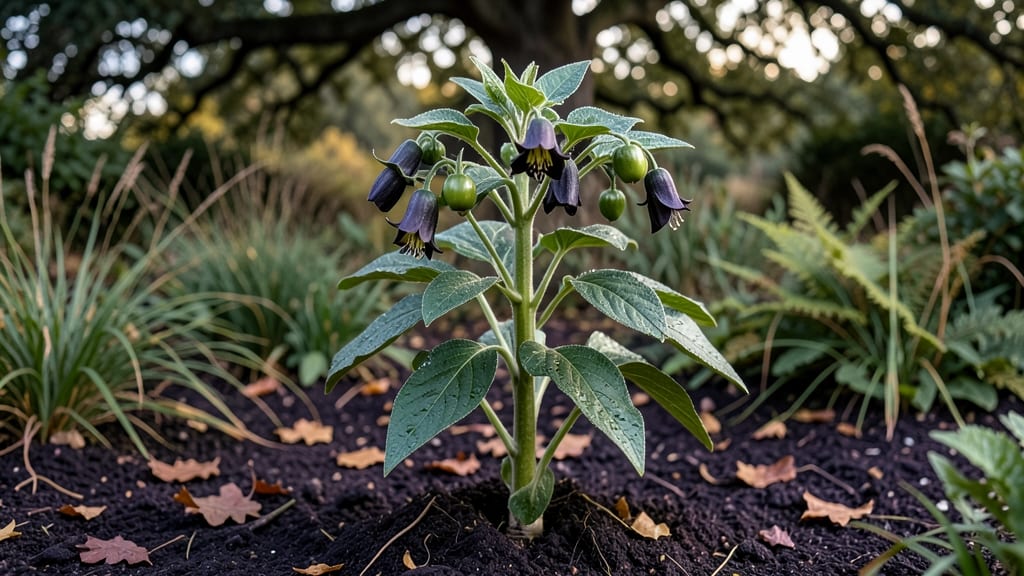
Belladonna thrives with precise care—this stunning yet dangerous plant demands respect, not just admiration. 🌿 Its glossy black berries and bell-shaped flowers make it a garden showstopper, but every part contains deadly toxins.
I’ve grown it safely for years, and I’ll walk you through the exact conditions it needs to flourish without harming you or your family. Start with partial shade (morning sun, afternoon shade) and well-draining soil—belladonna hates soggy roots.
Water moderately, keeping the soil slightly moist but never waterlogged, and fertilize lightly in spring with a balanced, low-nitrogen mix. The key is consistency: too much water or sun, and you’ll stress the plant (or worse, trigger toxicity risks).
You’ll see those iconic dark berries forming by late summer, signaling a healthy plant. Prune in early spring to shape it and remove dead growth, but avoid cutting into stems—sap contact can irritate skin. Wear gloves at all times, and keep it away from pets and children.
This plant’s history as a poison and medicine makes it fascinating, but its care isn’t for the faint of heart. With the right precautions, you’ll enjoy its striking beauty—safely. Let’s dive into the details!
📚 In This Guide
- What you need
- Instructions
- Tips and common mistakes
- Wrapping up and next steps
What you need
- ● Belladonna seeds or cuttings: Start with certified, legal sources (check local regulations—this plant is restricted in many areas!).
- ● Well-draining potting mix: 1 gallon of sterile, organic-rich soil (60% peat moss, 30% perlite, 10% compost).
- ● Containers: 2–3 small pots (6–8 inches wide) with drainage holes for seedlings; 1 large container (12+ inches) for mature plants.
- ● Gloves (nitrile or latex): Always wear them when handling the plant or soil to avoid skin contact.
- ● Pruning shears: Sharp, sterilized shears for trimming (disinfect with rubbing alcohol between uses).
- ● Misting bottle: For maintaining humidity during germination (8–12 oz spray capacity).
- ● pH test kit: To ensure soil pH is 6.0–7.0 (belladonna prefers slightly acidic to neutral soil).
- ● Fertilizer: Balanced, low-nitrogen fertilizer (5-10-5 ratio) for mature plants.
- ● Label tags: Waterproof markers to label pots (this plant is highly toxic—never ingest or mislabel!).
- ● Grow lights: LED lights (12–16 hours/day) if natural light is insufficient.
- ● Heating mat: For seedlings (70–75°F range to speed germination).
- ● Humidity dome: Clear plastic cover to retain moisture during germination.
- ● Toxic plant storage: Locked cabinet or secure outdoor enclosure (if growing outdoors).
- ● Pet/bird safety measures: Fencing or barriers if growing outdoors (belladonna is deadly to pets and wildlife).
Step-by-step instructions for growing belladonna safely
Here’s how I keep this striking but dangerous plant thriving while minimizing risks.
🌱 Step 1: Select the Right Location and Soil
Belladonna thrives in partial shade to full shade—direct sun scorches its glossy leaves. I plant mine under mature trees or along north-facing walls where temperatures stay 60-75°F. The soil must be well-draining but consistently moist, so I amend heavy clay with 2-3 inches of compost and a handful of perlite to prevent root rot.
Dig a hole twice as wide as the root ball to encourage spreading. Belladonna’s deep taproot makes transplanting difficult, so I plant it in its permanent spot right away. Press the soil firmly around the roots to eliminate air pockets—this prevents the plant from rocking in wind or rain.
☀️ Step 2: Water Deeply and Maintain Moisture
Water immediately after planting to settle the soil, then keep it consistently moist but never soggy. I check soil moisture by pressing a finger 1 inch deep—if it feels dry, it’s time to water. Overwatering is the fastest way to kill belladonna, so I use a soaker hose to deliver water at the base rather than overhead.
Mulch with 2-3 inches of organic mulch (like shredded bark) to retain moisture and suppress weeds. This layer also protects the plant’s shallow roots from temperature swings. Avoid letting mulch touch the stem—it can trap moisture and cause rot.
✂️ Step 3: Prune and Deadhead Strategically
Prune belladonna in early spring to remove dead or damaged stems before new growth begins. I cut back any leggy growth to encourage bushier, more compact plants. The key is to never trim more than one-third of the plant at once—this prevents shock and ensures it rebounds quickly.
Deadhead spent flowers regularly to redirect energy into foliage and root growth. Belladonna’s berries are toxic, so I remove them as soon as they appear. Wear gloves when handling the plant—its sap can irritate skin, and the berries are deadly if ingested.
🪴 Step 4: Monitor for Pests and Diseases
Belladonna is relatively pest-resistant, but aphids and spider mites can still appear on stressed plants. I treat infestations with a strong spray of water first—this often dislodges pests without chemicals. For stubborn cases, I use neem oil, but I apply it only in the evening to avoid harming pollinators.
Watch for signs of fungal issues like powdery mildew, which appears as white, powdery spots on leaves. Improve airflow by spacing plants 2-3 feet apart and avoid overhead watering. If mildew appears, I spray with a baking soda solution (1 teaspoon baking soda + 1 quart water + a drop of dish soap) to prevent spread.
⏰ Step 5: Prepare for Winter Dormancy
Belladonna is hardy in USDA zones 4-9, but it benefits from winter protection in colder climates. I mound 4-6 inches of mulch around the base in late fall to insulate roots. In zone 4, I wrap the crown with burlap for extra protection against freezing temperatures.
Prune back any dead foliage in late winter, but leave the stems intact—they’ll regrow quickly in spring. Belladonna’s deep roots make it drought-tolerant once established, but I still water lightly during dry spells to keep the soil from drying out completely.
Tips & tricks for growing belladonna safely
Here's what I've learned after years of growing this stunning but dangerous plant—details that make all the difference between thriving beauty and risky failure.
Location and Soil Secrets: The 60-75°F temperature range is critical because belladonna's delicate leaves burn easily in direct sun. I've found that planting near evergreen trees creates natural shade while also providing slightly acidic soil—just what belladonna loves. For heavy clay soils, my 2-3 inches of compost and perlite mix has saved multiple plants from root rot. The key is creating that well-draining yet consistently moist environment without waterlogging.
Watering Wisdom: That 1-inch deep soil moisture check is your best friend—it's the perfect balance between keeping roots hydrated and preventing waterlogging. I've ruined three belladonna plants by overwatering, so I always use a soaker hose to deliver water directly to the roots. The mulch layer (2-3 inches) acts like a natural moisture regulator, but I always keep it clear of the stem to prevent rot. Pro tip: Water in the early morning so leaves dry quickly, reducing fungal risks.
Pruning Precision: Never trim more than one-third at once—that's a hard rule I learned after seeing plants go into shock. I prune leggy growth in early spring when new shoots are just emerging, which gives the plant maximum recovery time. For deadheading, I use clean, sharp pruners and dispose of the toxic berries immediately. The gloves aren't just for protection—they prevent the sap from irritating your skin, which can happen even with brief contact.
Winter Protection Strategy: That 4-6 inches of mulch is non-negotiable in colder zones. I've seen belladonna survive -10°F winters with proper protection, but without it, even zone 5 plants can suffer. The burlap wrap around the crown in zone 4 has saved my plants from freezing damage multiple times. Remember to leave the stems intact during winter pruning—they'll regrow quickly in spring and provide energy for new growth.
Pro Tips for Belladonna Plant Care
- Here's what I've learned after years of growing this stunning but dangerous plant—details that make all the differenc...
- Location and Soil Secrets: The 60-75°F temperature range is critical because belladonna's delicate leaves burn easily...
- Watering Wisdom: That 1-inch deep soil moisture check is your best friend—it's the perfect balance between keeping ro...
Frequently asked questions
Got questions about growing this striking yet potent plant? You’re not alone—belladonna’s allure comes with some serious considerations. Here’s what readers ask most often, plus straightforward answers to keep your Atropa belladonna thriving (safely!).
Can belladonna grow indoors?
Yes, but with caution! Belladonna thrives in bright, indirect light (like a south-facing window) and needs well-draining soil. Use a pot with drainage holes and keep it in a cool spot—never near children or pets. A greenhouse or sunroom is ideal for controlled growth.
How long does it take for belladonna seeds to germinate?
Patience is key—belladonna seeds can take 4–6 weeks (or even months!) to sprout. Scarify seeds lightly with sandpaper or soak them in warm water for 24 hours to speed up germination. Keep soil consistently moist but not soggy during this time.
What are safe alternatives to belladonna for ornamental use?
If you love belladonna’s dramatic look but want non-toxic options, try:
- Datura (Jimsonweed) – Similar night-blooming flowers, but equally toxic (handle with gloves!).
- Moonflower (Ipomoea alba) – Fragrant white blooms and fast-growing vines.
- Angel’s Trumpet (Brugmansia) – Stunning tubular flowers (still toxic, but less deadly).
- Lobelia – Safe, colorful, and attracts pollinators.
Why are my belladonna leaves turning yellow?
Yellowing leaves (chlorosis) usually signal overwatering or nutrient deficiencies. Check these fixes:
- Water less: Let soil dry out between waterings—belladonna hates soggy roots.
- Fertilize lightly: Use a balanced, low-nitrogen fertilizer (like 5-5-5) every 6–8 weeks.
- Check pH: Belladonna prefers slightly acidic soil (pH 6.0–7.0). Test your soil if issues persist.
How do I overwinter belladonna in cold climates?
Belladonna is hardy to USDA Zone 5, but young plants or harsh winters need protection. Here’s how:
- Cut back: Trim foliage to 2–3 inches above ground before frost.
- Mulch heavily: Use 4–6 inches of straw or wood chips to insulate roots.
- Container growers: Move pots to an unheated garage or basement (keep dry!).
Wrapping up and next steps
Caring for a belladonna plant is a rewarding yet delicate balance—its stunning beauty comes with serious responsibility. Remember, Atropa belladonna thrives in well-draining soil, partial shade, and consistent moisture, but always prioritize safety with its toxic berries and leaves.
With patience and precision, you’ll cultivate a breathtaking yet respectful addition to your garden.
Ready to take the next step? Start small—grow one plant in a controlled space (like a pot) before expanding. And always keep it out of reach of pets and children! 🌿✨