
Planting
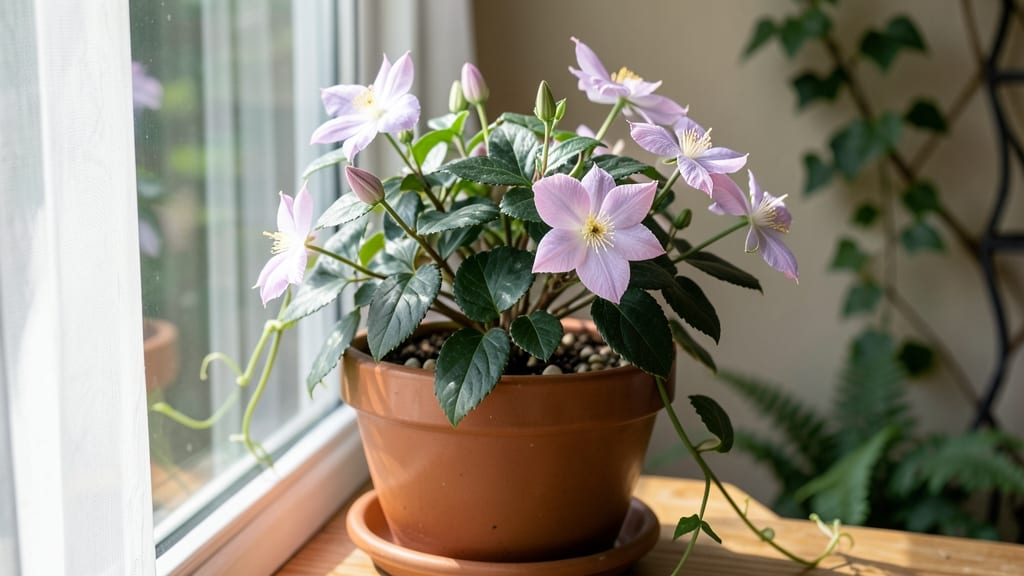
Growing a thriving indoor clematis plant in low-light spaces is possible with the right approach. 🌿 I’ve successfully kept these elegant vines alive indoors using simple adjustments that mimic their natural habitat—no greenhouse required.
The key lies in understanding their light, soil, and humidity needs, which differ significantly from outdoor varieties.
Start with a compact clematis variety like ‘Jackmanii’ or ‘Durandii,’ bred for smaller spaces. These need well-draining soil mixed with perlite or orchid bark to prevent root rot, and a humidity tray or regular misting to keep foliage lush.
Unlike outdoor clematis, indoor plants thrive in bright indirect light—east or north-facing windows work best, or supplement with a grow light for 12-14 hours daily.
With consistent care, you’ll see vigorous new growth within 6-8 weeks, and delicate blooms by mid-spring. The vines will climb trellises or shelves, adding vertical interest without overwhelming your space. Prune lightly after flowering to encourage bushier growth, and avoid overwatering—the roots need to dry slightly between waterings.
Common challenges like yellowing leaves or sparse blooms usually stem from low humidity or overwatering. Adjust by grouping plants together, using a pebble tray, or investing in a small humidifier.
Patience is key—indoor clematis grow slower than outdoor varieties but reward you with year-round greenery and occasional blooms, even in dimmer corners.
📚 In This Guide
- What you need
- Instructions
- Tips and common mistakes
- Wrapping up and next steps
What you need
- ● Clematis plant: Choose a Clematis jackmanii or Clematis montana variety (compact or trailing types work best indoors). Quantity: 1-2 plants per container.
- ○ Container: A 10-12 inch pot with drainage holes (terracotta or ceramic preferred). Optional: A hanging basket for trailing varieties.
- ● Well-draining potting mix: A blend of 50% peat moss, 30% perlite, and 20% compost. Quantity: Enough to fill the pot (about 2-3 gallons).
- ● Drainage material: Small pebbles or broken pottery (1-2 inches at the pot’s base).
- ● Support structure: A small trellis, moss pole, or tomato cage (for climbing varieties).
- ○ Fertilizer: A balanced liquid fertilizer (10-10-10) or slow-release granules. Optional: Organic options like fish emulsion.
- ● Pruning shears: Sharp, clean pair for trimming.
- ● Spray bottle: For gentle watering (especially for delicate blooms).
- ● Grow lights (LED or fluorescent) for low-light spaces (12-14 hours/day).
- ● Humidity tray or pebble tray to increase moisture levels.
- ● Mulch (like pine bark) to retain soil moisture.
- ● Plant food with higher phosphorus for blooming varieties.
Step-by-step instructions for growing indoor clematis in low-light spaces
Here's how to coax these sun-loving vines to thrive indoors where natural light is limited.
🌱 Step 1: Select the Right Clematis Variety and Prepare Containers
Not all clematis adapt well to indoor growing—choose compact varieties like Clematis montana or Clematis armandii, which tolerate lower light better than large-flowered types. I always opt for 4-6 inch diameter pots with drainage holes to prevent root rot, which is the #1 killer of indoor clematis.
Fill the pot with a well-draining mix: combine 50% premium potting soil, 30% perlite, and 20% compost. The perlite ensures excess moisture drains quickly, while compost provides nutrients these heavy feeders crave. Tap the pot gently to settle the mix without compacting it—you want air pockets for those delicate roots.
🌿 Step 2: Plant and Provide Initial Support
Dig a hole twice as wide as the root ball but no deeper than the container's rim. Gently loosen the roots if they're circling, then position the plant so the top of the root ball sits 1 inch below the soil line. This prevents stem rot from sitting water.
Install a trellis or moss pole immediately—clematis vines need vertical support to grow properly. I use a 3-foot tall bamboo trellis embedded in the pot for stability. The vines will cling naturally, but you can also tie them loosely with soft twine until they establish a grip. Water thoroughly after planting until moisture runs from the drainage holes.
☀️ Step 3: Optimize Light and Humidity for Low-Light Conditions
Place your clematis near the brightest window (south or west-facing is ideal), but avoid direct midday sun, which scorches leaves. If natural light is insufficient, supplement with a grow light positioned 12-18 inches away for 12-14 hours daily. You'll notice leggy growth if light is too weak—this means the plant stretches toward any available light source.
Clematis love humidity, so mist the foliage daily or place the pot on a pebble tray filled with water. I also group mine with other houseplants to create a microclimate. Aim for 50-60% humidity—any lower, and the leaves will crisp at the edges, a sure sign of dry air.
💧 Step 4: Water and Fertilize for Indoor Success
Water when the top 1-2 inches of soil feel dry to the touch—overwatering is the fastest way to kill clematis. I use room-temperature water to avoid shocking the roots, and I always water at the base, never overhead. Clematis are heavy drinkers, so expect to water 2-3 times weekly in summer, tapering to once a week in winter.
Feed every 2 weeks during spring and summer with a balanced liquid fertilizer (10-10-10) diluted to half strength. In fall and winter, reduce to monthly feedings. The key is consistency—clematis respond poorly to missed feedings, and you'll see it in weak stems and sparse blooms.
✂️ Step 5: Prune and Maintain for Year-Round Growth
Prune in late winter or early spring before new growth begins. For non-flowering varieties, cut back 1/3 of the oldest stems to encourage bushier growth. For flowering types, trim just above a set of leaves to promote blooms. Always use clean, sharp pruners to avoid tearing the stems—ragged cuts invite disease.
Rotate the pot quarter-turn weekly so the plant grows evenly toward the light. Watch for yellowing leaves, which signal overwatering or nutrient deficiency. If you see blackened stems at the base, it's root rot—remove the plant, trim affected roots, and repot in fresh, dry mix. With proper care, your indoor clematis will reward you with lush vines and occasional blooms year-round.
Tips & tricks for thriving indoor clematis
These simple strategies will help you coax vibrant growth from your sun-loving clematis even in low-light conditions.
Variety Selection: While compact varieties like Clematis montana and Clematis armandii are ideal, don't overlook dwarf varieties such as 'Jackmanii'—they're perfect for indoor spaces and bloom prolifically. These varieties have adapted better to indoor environments, making them more forgiving for beginners. The key is avoiding large-flowered types that need intense sunlight.
Container Considerations: The 4-6 inch diameter pot recommendation is perfect for most indoor setups, but if you're growing a particularly vigorous variety, consider a slightly larger 8-inch container. Just remember, drainage holes are non-negotiable—root rot from poor drainage is the silent killer of indoor clematis. I've seen plants thrive in decorative pots by placing them inside saucers with drainage holes.
Light Optimization: That 12-14 hour daily light requirement is crucial, but don't worry if you can't provide it all at once. Split the exposure—6-7 hours in the morning and another 6-7 in the evening works just as well. For the grow light, I've found LED grow lights with a full spectrum (especially red and blue wavelengths) work better than basic white bulbs for promoting healthy foliage and even growth.
Humidity Hacks: While aiming for 50-60% humidity is ideal, don't stress if you can't hit those numbers perfectly. Grouping your clematis with other houseplants creates a mini greenhouse effect that naturally boosts humidity. For extra help, place a small humidifier nearby—just make sure it's not blowing directly on the plant, which can cause uneven drying.
Pro Tips for Indoor Clematis Plant
- These simple strategies will help you coax vibrant growth from your sun-loving clematis even in low-light conditions.
- Variety Selection: While compact varieties like Clematis montana and Clematis armandii are ideal, don't overlook dwarf varieties such as 'Jackmanii'—they're perfect for indoor spaces and bloom prolifically.
- Container Considerations: The 4-6 inch diameter pot recommendation is perfect for most indoor setups, but if you're growing a particularly vigorous variety, consider a slightly larger 8-inch container.
Frequently asked questions
Got questions about growing indoor clematis plants? You’re not alone! Here are answers to the most common concerns—from care tips to troubleshooting—so you can keep your vines lush and happy.
Can clematis thrive indoors without direct sunlight?
While they love light, Clematis montana and Clematis armandii varieties adapt well to bright, indirect light (e.g., near east-facing windows). For lower-light spots, supplement with a grow light 12–14 hours daily. Avoid deep shade—it weakens growth and blooms.
How often should I water my indoor clematis?
Keep soil consistently moist but not soggy. Water when the top inch feels dry (usually 2–3 times weekly, adjusting for humidity). Pro tip: Use room-temperature water and empty saucers after 10 minutes to prevent root rot.
Why aren’t my clematis leaves yellowing or drooping?
Yellow leaves often signal overwatering or nutrient deficiency. Check for:
- Root rot: Let soil dry slightly between waterings.
- Lack of iron: Use a chelated iron supplement or acidic fertilizer (pH 5.5–6.5).
- Pests: Inspect undersides for spider mites or aphids.
Will indoor clematis still bloom like outdoor varieties?
Yes, but expect smaller, fewer blooms than outdoor plants. To encourage flowers:
- Prune sparingly (remove deadheads and leggy stems in early spring).
- Fertilize monthly with high-phosphorus food (e.g., 10-10-10) during growing season.
- Provide cool nights (50–60°F) if possible—mimics outdoor triggers.
What’s the best indoor clematis alternative for beginners?
If clematis feels tricky, try these low-maintenance vining plants:
- Philodendron: Thrives in low light, forgiving.
- String of Hearts (Ceropegia): Trailing, drought-tolerant.
- Peace Lily: Blooms indoors, purifies air.
Wrapping up and next steps
Growing an indoor clematis plant in low-light spaces is absolutely doable with the right care and patience! 🌿 You’ve learned how to choose the perfect variety, provide the ideal conditions, and troubleshoot common issues—now it’s time to watch your vine transform your space into a lush, floral sanctuary.
Start with one plant, experiment with placement, and soon you’ll be rewarded with vibrant blooms and a thriving green companion.
Ready to take the next step? Try propagating a cutting or sharing your success with fellow plant lovers—your indoor jungle is just getting started! 🌱