
Planting
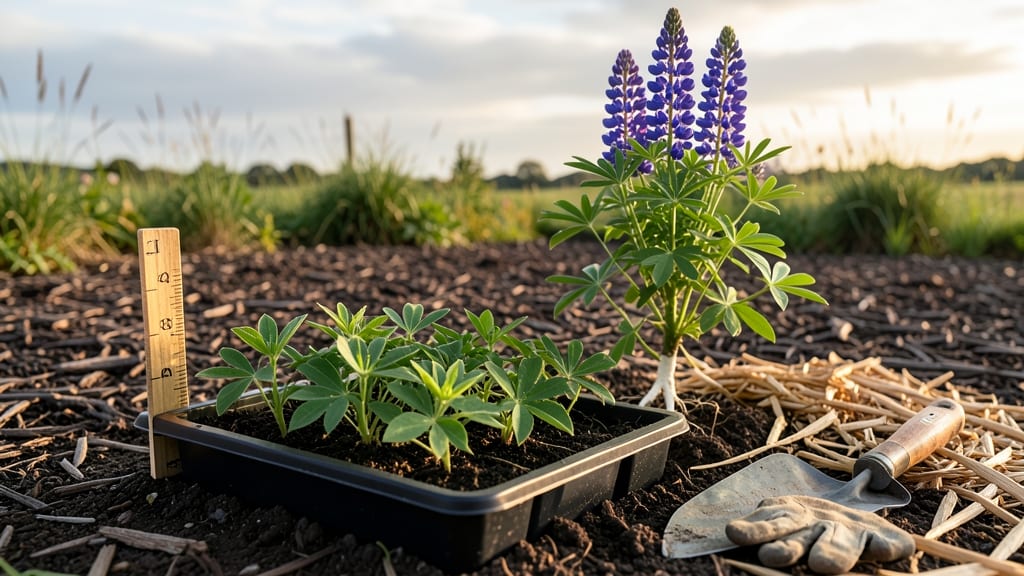
Planting lupines how far apart to plant lupines too close stunts their growth and crowds out those stunning blooms—so spacing them the right distance is the key to a showstopping display.
Picture this: You’ve waited all spring for your lupines to burst into color, only to find them leaning, struggling, or worse, fighting for space with their neighbors. That’s the cost of guessing instead of measuring.
Whether your lupines are the compact clumpers or the sprawling wildflower types, the spacing rules change—and getting it wrong can mean fewer blooms or even disease. I’ll walk you through the exact measurements, how to adjust for your soil and sun, and why some varieties need twice the room.
By the end, you’ll know not just how far apart to plant lupines, but how to tweak that spacing for your garden’s unique conditions—so your lupines thrive from the first spring bloom to the last fall frost.

Lupine spacing rules: clumping vs. spreading varieties explained
Lupines are stunning nitrogen-fixing plants that transform gardens with their vibrant blooms, but their spacing needs vary dramatically between clumping and spreading varieties. Planting them too close causes competition for nutrients, leading to stunted growth and fewer flowers.
Understanding these differences ensures your lupines thrive from the first season onward.
Clumping varieties like Lupinus polyphyllus grow in tight clusters, while spreading types such as Lupinus arboreus send out runners. The wrong spacing can turn your lupine patch into a tangled mess or a sparse disappointment. Let’s break down the exact measurements for each type so you can plant with confidence.
For clumping varieties, aim for 18-24 inches apart to prevent overcrowding. These lupines grow tall and upright, so spacing them too close can lead to floppy stems and reduced blooms. In well-draining soil, they’ll reward you with lush, vibrant spikes of color.
Spreading lupines, like Lupinus arboreus, need slightly less space—12-15 inches apart—because they form dense mats. These are perfect for slopes or erosion-prone areas where their root systems stabilize soil. Just be prepared for them to spread beyond their initial planting zone over time.
If your soil is heavy clay or poorly draining, increase spacing by 25-50%. Poor drainage causes root rot, which spreads faster in crowded plants. Amend the soil with compost or sand to improve drainage before planting.
For container growing, use one clumping lupine per 12-inch pot or three dwarf varieties in a 16-inch container. Containers dry out faster, so ensure they have drainage holes and use a lightweight potting mix.
Pro tip: Mark your lupine spacing with stakes or flags before planting. This helps visualize the mature size and prevents overcrowding as they grow. Adjust spacing if you’re planting near trees or shrubs, as competition for water and nutrients will require wider gaps.
Remember, lupines are nitrogen-fixers, meaning they improve soil health over time. Proper spacing now means healthier plants and better blooms for years to come. Happy planting!
How to adjust lupine spacing for soil, climate, and garden layout
Your lupines' spacing needs shift dramatically based on your local climate, soil fertility, and how you plan to use them in your garden. In nitrogen-poor soils, for example, lupines need more room to establish their nitrogen-fixing roots, while richer soils can support closer planting.
Similarly, arid climates demand wider spacing to prevent competition for moisture, whereas wet regions allow tighter clusters. Let's break down these adjustments so your lupines thrive in their specific growing conditions.
For container growing, lupines need even more careful spacing adjustments. A single Lupinus polyphyllus plant in a 12-inch pot should be planted alone, while dwarf varieties like Lupinus arboreus can share a 15-inch container with 2-3 plants.
The key is ensuring roots have room to spread without circling the pot, which stunts growth. In containers, drainage holes become critical—poor drainage can lead to root rot, especially in heavy clay soils.
In border plantings, where lupines edge pathways or flowerbeds, space them 12-18 inches apart for compact varieties and 24-36 inches apart for taller types like Lupinus perennis. This creates a natural, layered look while preventing overcrowding.
For mass plantings, like in meadow-style gardens, increase spacing to 30-36 inches to allow full foliage development and better air circulation, which reduces disease risk.
⚠️ Spacing Pitfalls to Avoid
Planting lupines too close in nitrogen-rich soils causes competition for nutrients, leading to pale foliage and fewer blooms. Conversely, over-spacing in poor soils wastes garden space and reduces the nitrogen-fixing benefits lupines provide. In humid climates, tight spacing increases fungal disease risk, while arid conditions require wider gaps to prevent root dehydration.
Pro Tip: Adjust spacing by 25% more or less based on your soil's organic matter content—test with a simple soil pH kit before planting.
When adjusting for climate zones, lupines in USDA Zones 3-5 (cold climates) benefit from closer spacing (12-18 inches) to create a protective microclimate. In Zones 7-9 (warmer regions), increase spacing to 24-36 inches to improve airflow and reduce heat stress.
For coastal gardens, where humidity is high, space lupines 30+ inches apart to prevent powdery mildew, a common issue in damp environments.
Companion planting can also influence spacing. Pair lupines with shallow-rooted plants like salvias or lavender to maximize space efficiency—these companions thrive in the lupines' dappled shade. Avoid planting near legumes (like peas or beans), which compete for the same nitrogen benefits.
Instead, use lupines as a living mulch around heavy feeders like tomatoes or peppers, where their nitrogen-fixing roots enrich the soil naturally.
For container lupines, mix in perlite or sand to improve drainage, especially in smaller pots. Use a slow-release fertilizer (like 5-10-10) at planting to support root development, but avoid high-nitrogen blends, which can burn lupine roots.
In containers, rotate pots weekly to ensure even sunlight exposure, as lupines grown indoors often lean toward light sources.
Remember, lupines are perennials in most climates, so spacing adjustments now will pay off for years. Start with your soil test results and microclimate notes, then fine-tune as your plants mature.
With the right spacing, your lupines will reward you with vibrant blooms and healthier companion plants for seasons to come. 🌸