
How To
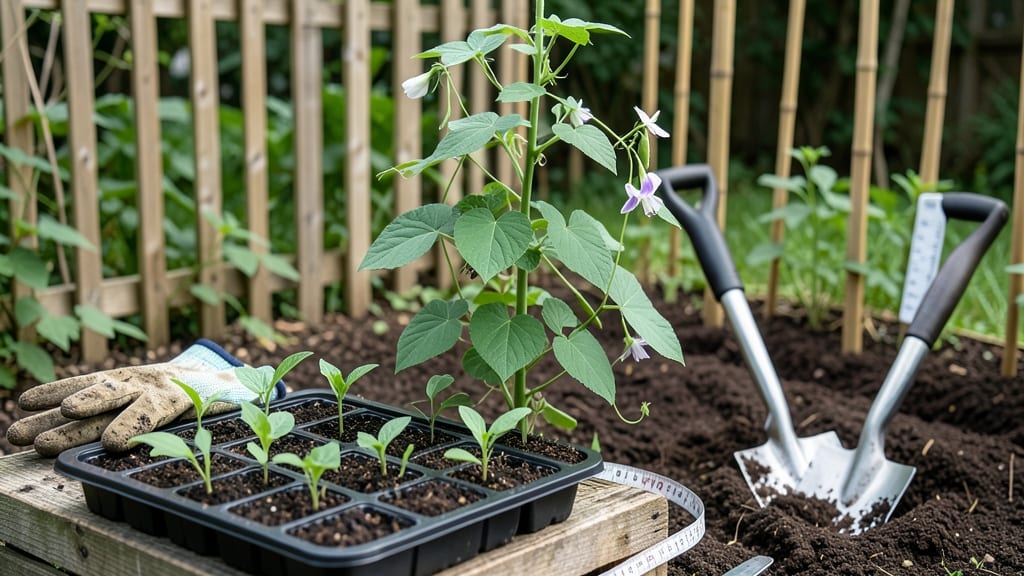
Planting purple hull peas 2-3 inches apart in rows 18-24 inches apart is the golden rule for a bountiful harvest 🌱 — but whether you’re growing bush or vining types, spacing makes all the difference.
Picture this: your garden in July, heavy with pods, or a tangled mess of vines fighting for space. The right spacing isn’t just about tidiness—it’s about air circulation, sunlight, and preventing diseases that can wipe out your crop. And yes, even the most experienced gardeners get this wrong.
Bush varieties stay compact, while vining types climb—so their needs differ. Trellising changes the game, too, letting you squeeze in more plants without sacrificing yield. Below, I’ll break down the exact spacing for each type, plus how to adjust for soil, climate, and companion plants.
You’ll learn how to avoid overcrowding, why 3 inches between seeds isn’t always enough, and the simple tricks to maximize your harvest without losing your mind to tangled vines.

Optimal spacing for purple hull peas: bush vs vining varieties explained
Purple hull peas thrive when planted with the right spacing, but their needs differ dramatically between bush and vining varieties. Bush types stay compact, while vining varieties can climb 6-8 feet if given support.
Proper spacing ensures air circulation, prevents disease, and maximizes sunlight exposure for bigger yields. Let’s break down the exact distances you need for each type.
For bush purple hull peas, think of them like dwarf tomatoes—compact but productive. These varieties grow 2-4 feet tall and don’t need trellising, so spacing is all about giving each plant room to breathe.
In contrast, vining types are like pole beans, requiring vertical space and careful horizontal spacing to avoid tangled messes. Ignoring these differences can lead to stunted growth or even failed harvests.
The key to spacing lies in understanding plant maturity and growth habits. Bush varieties mature faster and stay contained, while vining types need both horizontal space and vertical support. Whether you’re planting in rows, hills, or containers, these guidelines will help you avoid common pitfalls and optimize your harvest.
When planting bush purple hull peas, aim for 4-6 inches apart in rows 18-24 inches apart. This gives roots room to spread while keeping foliage from shading neighbors.
For vining types, stretch the distance to 6-12 inches apart in rows 24-36 inches apart—this prevents vines from competing for sunlight and nutrients.
If you’re using a trellis, vining varieties will climb vertically, freeing up ground space for other crops. Install trellises at planting time to avoid disturbing roots later. For containers, bush types need at least 5-gallon pots, while vining varieties require 10-gallon containers or larger to support their growth.
Proper spacing isn’t just about yield—it’s about plant health. Crowded peas suffer from poor air circulation, leading to fungal diseases like powdery mildew. Thin seedlings early if they’re too close, and avoid planting in the same spot yearly to prevent soil-borne diseases.
For container growing, choose deep pots with drainage holes and fill them with well-draining soil. Mix in compost to provide nutrients, and water consistently—containers dry out faster than garden beds. If growing vining types in pots, use a small trellis or cage to support the plants.
One common mistake is assuming all purple hull peas need the same spacing. Bush varieties can handle closer planting, while vining types need more room to sprawl or climb. Always check the seed packet for variety-specific recommendations, as some modern hybrids may have different spacing needs.
In high-humidity climates, increase spacing by 20-30% to improve airflow. If your garden gets less than 6 hours of sun, space plants even farther apart to ensure each gets enough light. Mulching around plants helps retain moisture and suppress weeds, reducing competition for resources.
With the right spacing, your purple hull peas will thrive, producing sweet, plump pods all season long. Whether you’re growing them in rows, hills, or containers, these guidelines will help you avoid common pitfalls and maximize your harvest. Happy planting! 🌱
5 Critical factors that affect purple hull pea spacing needs
When planning your purple hull pea garden, spacing isn't just about fitting more plants into your space—it's about creating the perfect environment for each plant to thrive.
I've learned that soil fertility, climate zone, and even whether you're using a trellis system can dramatically change how far apart you should plant these legumes. Let's explore these five critical factors that determine the ideal spacing for your purple hull peas.
The first factor to consider is soil fertility. Rich, well-draining soil packed with organic matter allows plants to establish stronger root systems, which means they can handle slightly closer spacing. In nutrient-poor soil, I recommend giving your plants more room—about 4-6 inches apart—to prevent competition.
Conversely, in fertile garden beds, you can reduce spacing to 3-4 inches between plants while maintaining healthy growth.
- Soil Fertility: Poor soil = 4-6" spacing | Rich soil = 3-4" spacing
- Climate Zone: Hot/dry zones = 5-6" spacing | Cool/moist zones = 3-4" spacing
- Trellis Use: No trellis = 6-8" spacing | With trellis = 3-4" spacing
- Companion Plants: Large companions = 8-10" spacing | Small companions = 4-6" spacing
- Container Size: Small pots = 1 plant per 5" | Large containers = 3-4 plants per 12"
Your climate zone plays a surprisingly big role in spacing decisions. In hot, dry regions like USDA Zone 9 or 10, purple hull peas need more space—about 5-6 inches apart
The extra room helps prevent wilting and improves air circulation, which is crucial in high-temperature climates. Meanwhile, in cooler, wetter zones like Zone 5 or 6, you can plant them 3-4 inches apart since they won't struggle with water stress. If you're using a trellis system, you can dramatically reduce spacing between plants. When vines climb upward, they're no longer competing for ground space, allowing you to plant 3-4 inches apart in rows that are 18-24 inches apart. Without a trellis, I recommend 6-8 inches between plants to give them room to sprawl naturally. The key is to match your spacing to your growing method—whether you're encouraging vertical growth or letting plants spread horizontally. Don't overlook the impact of companion planting on your spacing decisions. When pairing purple hull peas with large plants like corn or sunflowers, you'll need to increase spacing to 8-10 inches to prevent shading and root competition. However, with small companions like radishes or lettuce, you can maintain closer spacing of 4-6 inches. The right companions can actually improve your yield by creating a more efficient use of space and resources. For container gardening, the container size dictates your spacing needs completely. In small 5-gallon pots, I recommend planting just one purple hull pea plant per container to give it enough room to develop. In larger 12-inch containers, you can fit 3-4 plants as long as you provide support for their vines. The key is to match your container size to your plant's mature spread—typically 2-3 feet wide for bush varieties and even more for vining types. Remember, proper spacing isn't just about fitting more plants into your garden—it's about creating an environment where each plant can access the sunlight, water, and nutrients it needs to produce a bountiful harvest. By adjusting your spacing based on these five critical factors, you'll set your purple hull peas up for success from the very first seed you plant. 🌱