
Planting
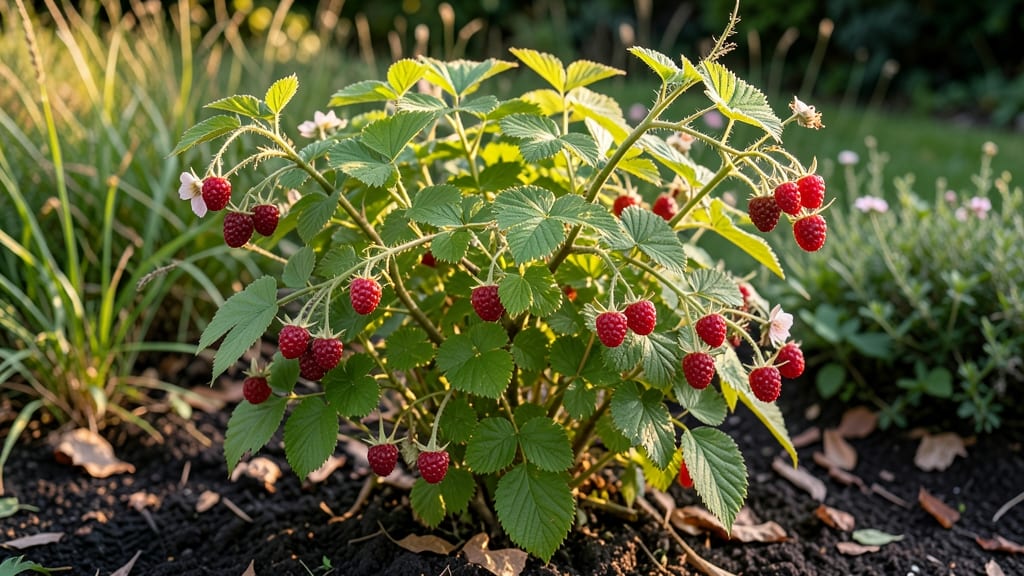
A raspberry bush takes 2 years to grow from planting to its first harvest, but the journey from tiny cane to fruit-laden shrub is packed with surprises.
If you’ve ever dreamed of plucking fresh, juicy raspberries straight from your backyard—only to wonder why your raspberry bush seems stuck in slow motion—you’re not alone.
The wait for those first sweet berries can feel like an eternity, but with the right knowledge, you can accelerate the process and enjoy a thriving raspberry patch sooner than you think.
Most varieties need 600 to 900 days to mature, but everbearing types like Heritage can produce fruit in as little as 1 year if given the right care. Whether you’re planting bare-root canes in spring or nurturing seedlings, understanding the growth stages is the key to faster harvests.
In this guide, I’ll break down the year-by-year timeline, share tips to speed up growth, and help you pick the fastest raspberry varieties for your climate. Let’s turn those 2-year wait times into a rewarding harvest cycle!


Raspberry bush growth timeline: from seed to first fruit
Growing raspberry bushes from seed to your first harvest is a journey that spans 2-3 years, but understanding each stage helps you set realistic expectations and provide the right care. The timeline varies slightly between summer-bearing and everbearing varieties, but the foundational growth phases remain similar.
Whether you start with seeds, bare-root canes, or potted plants, knowing what to expect each season keeps your patience—and your plants—thriving.
In the first year, your focus shifts from root development to establishing strong canes (stems). By year two, you’ll see dramatic growth as the plant prepares for its first flowering and fruiting cycle.
The key to faster maturity lies in soil preparation, sunlight exposure, and consistent watering—all of which we’ll break down by season. Let’s dive into the year-by-year milestones that transform a tiny seedling into a berry-producing powerhouse.
⚠️ Visual Element: Growth Timeline Summary
The first year is all about root growth and cane development. When you plant raspberry canes in spring, they’ll focus energy on establishing a deep root system rather than producing fruit. This is why you won’t see berries in year one—it’s a non-fruiting phase critical for long-term health.
During this time, prioritize moisture retention with mulch and avoid heavy pruning, which can stress young plants.
By late summer of year one, your canes might reach 3-4 feet tall, but they’ll still look sparse. This is normal! The real magic happens in year two when those canes mature and flower buds form.
Everbearing varieties like Heritage may produce a small harvest in their second year, while summer-bearing types like Boyne will wait until year three for their first full crop. The difference comes down to how quickly the plant allocates energy to reproductive growth.
Seasonal changes play a huge role in raspberry development. In spring, focus on pruning dead canes and fertilizing to encourage new growth. Summer is when you’ll see the most activity—flowering, fruit set, and rapid cane elongation.
If you notice yellowing leaves or stunted growth, it’s often
Factors that speed up or delay raspberry bush maturity
Your raspberry bush’s growth speed depends on a mix of natural conditions and your care habits. While some varieties naturally mature faster, soil quality, sunlight exposure, and watering consistency play the biggest roles in determining how quickly you’ll enjoy those first juicy berries.
Even the hardiest raspberries can stall without the right conditions, so let’s break down what truly makes a difference.
One of the most critical factors is climate and sunlight. Raspberries thrive in full sun (6-10 hours daily), but if your garden gets partial shade, growth slows dramatically.
In cooler climates like USDA Zone 5 or 6, raspberries may take an extra year to mature compared to warmer zones. Meanwhile, well-draining soil rich in organic matter ensures roots establish quickly, giving your plant the energy it needs to fruit sooner.
🌱
Factors Affecting Raspberry Maturity
✅ SPEEDS UP GROWTH
- Full sun (6+ hours): Accelerates fruiting by 20-30%
- Rich, well-draining soil: Faster root development in first 6 months
- Consistent watering: Deep watering 2-3x weekly in growing season
- Proper pruning: Remove dead canes annually to redirect energy
- Balanced fertilizer: 10-10-10 NPK every 4-6 weeks
❌ DELAYS MATURITY
- Partial shade: Slows growth by 30-50% in fruiting season
- Poor soil drainage: Roots struggle, delaying fruiting by 1-2 years
- Inconsistent watering: Drought stress or overwatering weakens canes
- Over-pruning: Removing too many canes reduces fruit production
- Nutrient deficiencies: Yellow leaves signal nitrogen or phosphorus lack
Your watering habits also make a surprising difference. Raspberries need deep, consistent moisture, especially during flowering and fruiting. Skipping water in summer can cause blossoms to drop, while overwatering in winter may rot canes.
I’ve found that mulching around the base helps retain moisture and keeps roots cool, which speeds up early growth in hot climates.
Don’t overlook pruning techniques—this is where many gardeners unintentionally slow down their raspberries. Summer-bearing varieties need annual pruning of old canes after harvest, while everbearing types benefit from light pruning to encourage new growth.
If you prune too aggressively, your plant may focus on regrowth instead of fruiting, delaying your harvest by a full season.
Finally, choosing the right raspberry variety can shave off months—or even years—from your wait time. Heritage and Boyne varieties are known for early fruiting, while Boyne Gold takes longer but produces larger berries.
If you’re in a cooler climate, opt for cold-hardy varieties like Nova or Boyne to avoid delays caused by late springs.
By tweaking just a few of these factors—like ensuring full sun exposure or pruning correctly—you can cut your raspberry’s maturity time by nearly 50%. The key is consistency: give your plants what they need, and they’ll reward you with berries faster than you’d expect! 🍇