
Planting
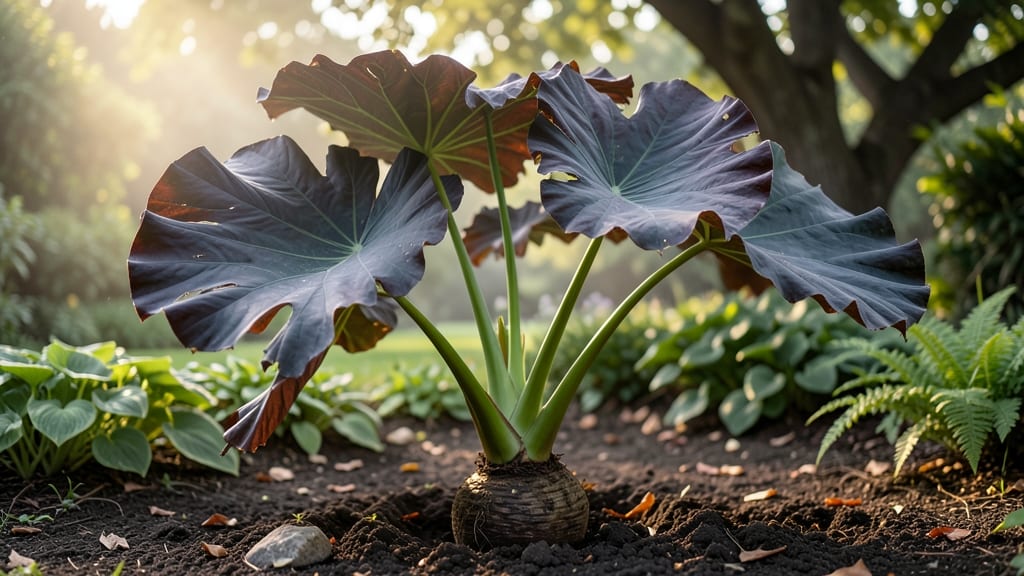
Growing elephant ear bulbs 🌿 takes about 6 to 12 weeks from planting to their first bold foliage, depending on soil warmth and care.
If you’ve planted elephant ear bulbs hoping for instant tropical drama, you might be surprised—these showstoppers take time to unfurl their massive leaves. But with the right care, you can track their growth month by month and enjoy a lush, statement-making garden faster than you’d expect.
The key to fast growth lies in timing: planting after your last frost when soil hits 60°F or warmer. In cooler zones like 6a, that’s usually mid-April, while warmer regions can start as early as March. Once in the ground, consistent moisture and partial shade keep them thriving.
Below, I’ll break down the exact timeline—from sprouting to full-size leaves—plus how to troubleshoot slow growth and accelerate those showstopping results.


Elephant ear bulb growth timeline: month-by-month development stages
Tracking your elephant ear bulbs growth month by month lets you celebrate small victories along the way. From the first sprout to towering tropical foliage, each stage reveals how your plant responds to care.
Understanding this timeline helps you adjust watering, sunlight, and feeding to accelerate growth—especially if you’re eager for those dramatic 18-inch leaves to appear.
Most gardeners plant elephant ear bulbs in spring after frost, typically between March and May in USDA Zone 6a. However, the actual growth timeline varies based on soil warmth, bulb quality, and your local climate.
In ideal conditions, you can expect full foliage in 60-90 days, but cooler springs may stretch this to 120 days. Let’s break down what to expect each month to keep your plants thriving.
| Month | Growth Stage | Key Milestones | Care Tips |
|---|---|---|---|
| March-April | Planting & Sprouting | Bulbs planted 4-6" deep in well-draining soil. First green shoots appear in 2-4 weeks. | Keep soil moist but not soggy. Mulch to retain warmth. |
| May | Early Leaf Emergence | Leaves unfurl to 6-12". Stems strengthen for vertical growth. | Apply balanced fertilizer (10-10-10). Monitor for slugs. |
| June | Rapid Foliage Growth | Leaves reach 12-18". Plant may double in height this month. | Water deeply 2-3x per week. Stake if needed for windy areas. |
| July-August | Maturity & Full Size | Leaves hit 18-24". Bulbs establish root systems for next year. | Reduce fertilizer to light feed. Prune damaged leaves. |
| September-October | Dormancy Prep | Growth slows as temps drop. Leaves may yellow naturally. | Cut back dead foliage. Dig and store bulbs in cool, dry place. |
In March and April, focus on creating the perfect planting environment. Elephant ear bulbs need soil temperatures above 60°F (15°C) to sprout. If your spring is cool, consider using black plastic mulch to warm the soil faster.
Once planted, keep the area consistently moist—these bulbs despise drying out. You’ll see the first tiny shoots in just 2-4 weeks, but don’t rush to water them yet. Overwatering at this stage can cause rot before roots establish.
By May, your elephant ears enter their most critical growth phase. This is when leaves begin to unfurl rapidly, and you’ll notice the first 6-12 inch foliage emerging. To accelerate this stage, apply a balanced fertilizer (like 10-10-10) when leaves reach 4-6 inches tall.
I’ve found that adding a compost tea at this point boosts leaf vibrancy too. Watch for slugs and snails, which love young, tender leaves—handpick them early to avoid damage.
June is when your elephant ears really flex their muscles. Leaves can grow up to 1 inch per day in ideal conditions, reaching 12-18 inches by month’s end. This is also when you’ll see the classic arrowhead shape of mature leaves.
To support this growth spurt, water deeply 2-3 times per week, especially in containers, which dry out faster. If your plants are in windy locations, consider staking them early to prevent leaf tearing.
By July and August, your elephant ears should be at their peak dramatic potential, with leaves spanning 18-24 inches. This is also when they start storing energy for next year, so reduce fertilizer to a light feed every 6 weeks.
Prune any yellow or damaged leaves to redirect energy to healthy growth. If you’re in a hot climate, provide afternoon shade to prevent leaf scorch.
As temperatures drop in September and October, growth naturally slows down. This is your cue to prepare bulbs for dormancy. Cut back dead or yellowing foliage to the ground, but leave healthy leaves if frost hasn’t arrived yet.
Once the first frost hits, dig up bulbs, remove excess soil, and store them in a cool, dry place (like a garage) until next spring. With proper care, these same bulbs can produce even larger leaves the following year.
Understanding this month-by-month timeline helps you troubleshoot delays. For example, if your bulbs haven’t sprouted by late April, check soil temperature—it might still be too cold. Or if leaves stop growing in June, they may need more phosphorus-rich fertilizer to push vertical growth.
By tracking these stages, you’ll know exactly when to adjust care and when to relax and enjoy your tropical garden statement piece.
Factors that speed up or slow down elephant ear bulb growth
Elephant ear bulbs (Colocasia spp.) thrive when given the right conditions, but their growth speed can vary dramatically based on a few key factors. From soil warmth to light exposure, each element plays a role in how quickly those dramatic leaves unfurl.
Understanding these variables helps you adjust your care routine for faster, healthier growth.
One of the biggest influences is soil temperature. These tropical plants need warmth to sprout—ideal soil temps hover around 60-75°F (15-24°C). If your soil stays cooler, sprouting can take 2-3 weeks longer. Use a soil thermometer to check before planting, especially in cooler climates.
Another critical factor is sunlight exposure. While elephant ears tolerate partial shade, they grow 20-30% faster with 4-6 hours of morning sun. Too much direct afternoon sun can scorch leaves, slowing growth.
Test spots in your garden by observing how quickly water evaporates—if it dries in under 2 hours, the area gets too much sun.
Factors That Affect Elephant Ear Bulb Growth Speed
- Warm soil (60-75°F)
- Morning sun (4-6 hrs)
- Rich compost (50% organic)
- Balanced fertilizer (10-10-10)
- Consistent moisture (1" weekly)
- Cold soil (<55°F)
- Afternoon sun (scorch risk)
- Poor drainage (root rot)
- Low-quality bulbs (shriveled)
- Inconsistent watering (stress)
Pro Tip: Mulch with 3-4 inches of straw to retain soil warmth and moisture—this can cut growth time by 10-15 days in cooler zones.
Don’t overlook the quality of your elephant ear bulbs. Healthy, firm bulbs with no soft spots sprout faster than shriveled or damaged ones. Look for bulbs that feel dense and heavy for their size—these often produce leaves 3-4 weeks earlier than weaker specimens.
Store them in a cool, dark place until planting to prevent premature sprouting.
Watering habits also make a surprising difference. Elephant ears need consistent moisture but hate soggy soil. Water deeply 2-3 times per week during dry spells, aiming for 1 inch of water weekly.
Use a moisture meter to check—if the top 2 inches of soil feel dry, it’s time to water. Overwatering causes root rot, which stunts growth entirely.
Finally, fertilizing at the right time boosts growth. Apply a balanced 10-10-10 fertilizer when leaves first emerge, then again 4-6 weeks later. Avoid high-nitrogen feeds—they promote leafy growth at the expense of root development, which slows overall plant vigor.
For container-grown elephant ears, reduce fertilizer by half to prevent salt buildup.
By tweaking these factors, you can shave 2-4 weeks off the typical 6-8 week growth timeline for elephant ears. Start with soil warmth and light, then refine watering and feeding—your tropical statement plants will thank you with bigger, bolder leaves in record time! 🌿