
Planting
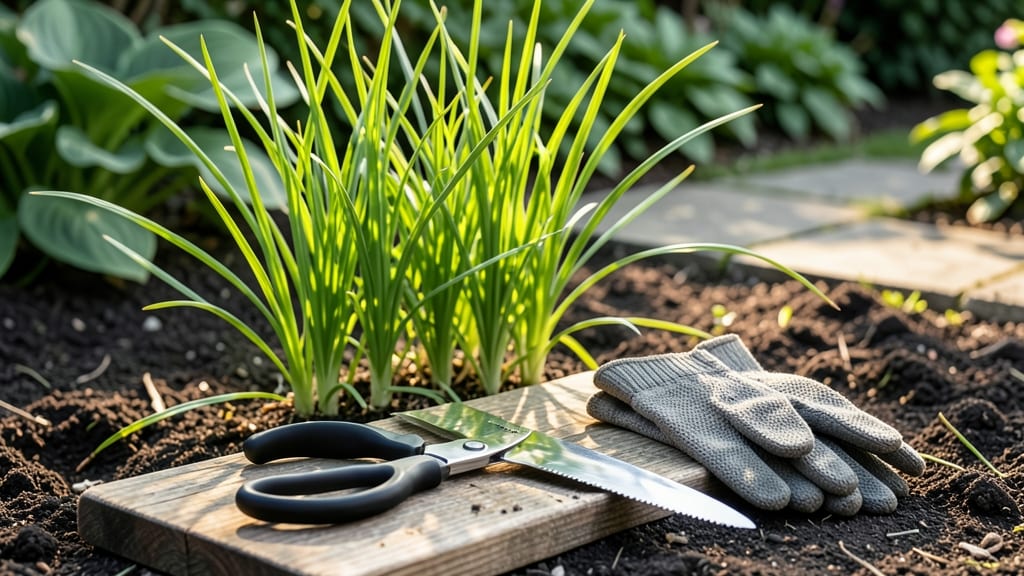
Cutting lemongrass right means more harvests and stronger plants. ✂️ The key is timing—wait until the stalks are mature (about 12-18 inches tall) but before they flower, usually in late spring or early summer. This simple technique keeps your plant productive for years, not just one season.
You only need a sharp knife or clean pruning shears, and a little patience. Cut the stalks about 6 inches above the base, leaving the lower portion with the roots intact.
This encourages fresh regrowth while keeping the plant healthy. Avoid cutting too close to the base, or you risk damaging the plant's ability to bounce back.
Within a few weeks, you'll see new shoots emerging from the base—proof the plant is thriving. Each cut stalk can be used in cooking, and the plant will keep producing for months. The more you harvest correctly, the bushier and more productive your lemongrass becomes.
Works for both potted and in-ground lemongrass, and the same method applies whether you're growing it for culinary use or propagation. Just avoid over-cutting, and your plant will reward you with a steady supply of fragrant stalks all season long.
📚 In This Guide
- What you need
- Instructions
- Tips and common mistakes
- Wrapping up and next steps
What you need
- ● Sharp chef’s knife or pruning shears – A serrated or stainless-steel blade (8–10 inches long) works best for clean cuts. (1–2 tools)
- ● Clean, heavy-duty gloves – Protects your hands from lemongrass sap and sharp edges. (1 pair)
- ● Cutting board or tray – A stable, non-slip surface (preferably plastic or wood) to place stems while cutting. (1)
- ● Measuring tape or ruler – Ensures you cut stems to the ideal 6–8 inch height for regrowth. (1)
- ● Disinfectant (rubbing alcohol or bleach solution) – Sanitizes tools before and after use to prevent disease. (small bottle)
- ● Water spray bottle – Keeps blades moist and slippery for easier cutting. (1)
- ● Plastic wrap or ziplock bags – Stores harvested stems freshly in the fridge for up to 2 weeks. (as needed)
- ● Markers or labels – Tags regrowth stages if you’re experimenting with propagation. (small pack)
- ● Pruning saw (for thick stalks) – Useful if your lemongrass grows over 1.5 inches thick. (1)
- ● Compost bin – Recycle leaves and trimmings instead of tossing them! (access to)
Step-by-Step instructions for cutting lemongrass plant
Harvesting lemongrass the right way keeps your plant thriving while maximizing flavor and yield.
🌱 Step 1: Identify Mature Stems for Cutting
Look for stems that are at least 12-18 inches tall with a diameter of ¼ inch or thicker. These are mature enough to harvest without harming the plant. The outer leaves should feel firm and the inner stems should be solid when squeezed gently. Avoid cutting stems that are still growing—you'll know because they feel soft and bendy.
I always harvest from the outermost stems first to encourage new growth toward the center. This method keeps your lemongrass bushy and productive. If you're unsure which stems to cut, run your thumb along the base—mature stems will have a tough, fibrous texture while younger ones will feel tender.
✂️ Step 2: Use the Right Cutting Technique
Grab a sharp chef's knife or pruning shears and make a clean cut about 1-2 inches above the base of the plant. Angle the blade slightly to avoid damaging the growing point below. A clean cut prevents the stem from tearing, which can introduce rot or pests. If you're harvesting multiple stems, leave at least 2-3 inches between cuts to maintain plant health.
Here's the thing—lemongrass regrows from the base, so never cut into the bulb where the roots emerge. You'll see a small, rounded area at the very bottom of the stem. Stop cutting just above that point. This ensures your plant keeps producing new shoots for months.
💧 Step 3: Harvest at the Right Time of Day
Cut lemongrass in the early morning when the oils are most concentrated and the stems are full of moisture. This gives you the strongest flavor and prevents the stems from drying out too quickly. Avoid harvesting after rain—wet stems can develop mold if stored improperly.
After cutting, strip off the tough outer leaves by pulling them downward until they separate cleanly. You'll see a pale, edible stalk underneath that's perfect for cooking. Store the stems upright in a jar with ½ inch of water in the fridge, and they'll stay fresh for up to 2 weeks. For longer storage, freeze the stalks whole or chop them first.
☀️ Step 4: Encourage Regrowth After Harvesting
After cutting, water the base of the plant deeply to help it recover. Lemongrass thrives in well-draining soil with regular moisture, so keep the soil damp but not soggy. Within 3-4 weeks, you should see new shoots emerging from the center. If you don't see regrowth, check the soil—it might be too dry or nutrient-poor.
I like to fertilize my lemongrass plants with a balanced liquid fertilizer (like 10-10-10) every 6-8 weeks after harvesting. This gives the plant the nutrients it needs to bounce back quickly. If your plant is in a pot, consider repotting it every 2-3 years to refresh the soil and give the roots more room to grow.
⏰ Step 5: Know When to Prune for Shape
If your lemongrass plant gets too leggy or unruly, trim back the longest stems by about ⅓ of their length to encourage bushier growth. Do this in late spring or early summer when the plant is actively growing. Avoid heavy pruning in fall or winter, as the plant needs energy to survive cooler months.
Here's what I do: I inspect the plant every few weeks and remove any yellow or brown leaves at the base. These are signs of stress or old growth. A healthy lemongrass plant should have straight, upright stems with bright green leaves. If you see pests like aphids or mealybugs, treat them immediately with neem oil or insecticidal soap to keep your plant thriving.
Tips & tricks for perfect lemongrass harvesting
These simple tricks will help you maximize your yield while keeping your lemongrass plant thriving for years.
Selection Tip: When identifying mature stems in Step 1, pay attention to the color of the inner stalk. It should be a pale, creamy white—not green or yellow. The greener the stalk, the younger and less flavorful it is. I've learned that stems with a slightly woody texture at the base (about pencil thickness) always yield the best flavor when used in cooking.
Cutting Technique: For Step 2, I can't stress enough how important that clean, angled cut is. Use a single, smooth motion rather than sawing back and forth—this prevents crushing the stem and creates a cleaner cut that heals better. I've ruined several harvests by using dull blades that tore the stems, leading to rot. A sharp knife is your best friend here.
Storage Wisdom: After harvesting, don't just toss those tough outer leaves! Bundle them together and store them in a dry place—they make excellent aromatics for soups and stews. For the inner stalks, wrap them in a damp paper towel and place in a resealable bag before refrigerating. This keeps them fresh for up to 3 weeks instead of the 2-week limit mentioned in Step 3.
Regrowth Strategy: In Step 4, when you see those new shoots emerging after 3-4 weeks, resist the urge to harvest them immediately. Let them grow another 4-6 inches before cutting again—this gives the plant's root system time to establish properly. I've found that plants I've been gentle with produce up to 30% more yield in subsequent harvests.
Pro Tips for Cut Lemongrass Plant
- These simple tricks will help you maximize your yield while keeping your lemongrass plant thriving for years.
- Selection Tip: When identifying mature stems in Step 1, pay attention to the color of the inner stalk. It should be a...
- Cutting Technique: For Step 2, I can't stress enough how important that clean, angled cut is. Use a single, smooth mo...
Frequently asked questions
Got questions about cutting lemongrass? You’re not alone! Here are some of the most common concerns—and their straightforward answers—to help you harvest like a pro.
Can I cut lemongrass from a grocery store or farmer’s market?
Unfortunately, no! Store-bought lemongrass is often treated with preservatives or harvested too young. For regrowth, plant fresh lemongrass from a nursery or grow it from cuttings. Look for stalks with tight, pale leaves and a woody base—these are ready for your garden.
How often should I harvest lemongrass to keep it growing?
Harvest lemongrass every 3–4 months for optimal regrowth. Avoid cutting more than 1/3 of the plant at once, and always leave at least 6–8 inches of stalk above the soil. Over-harvesting weakens the plant and reduces future yields.
What’s the best way to cut lemongrass if I don’t have a sharp knife?
No sharp knife? No problem! Use scissors or pruning shears for clean cuts. If you’re in a pinch, a serrated knife or even a sturdy pair of kitchen shears will work. Just ensure the blade is sharp enough to avoid crushing the stalk—dull tools bruise the plant and invite pests.
Why did my lemongrass turn yellow or die after cutting?
Yellowing or death usually means over-cutting, poor drainage, or root damage. Always cut above a leaf node (the bumpy part where leaves grow) and avoid severing the base. If the soil stays soggy, lemongrass roots rot—plant in well-draining soil and water only when the top inch is dry.
Can I use the leftover lemongrass stalks after cutting?
The woody lower 3–4 inches of the stalk is packed with flavor—peel it and use it in soups, marinades, or stir-fries. The tender upper leaves can be finely chopped for garnishes or teas. Just avoid the very bottom (it’s fibrous and bitter).
Wrapping up and next steps
Cutting your lemongrass plant correctly ensures a bountiful harvest while keeping it healthy and thriving. By following the right techniques—like using a sharp knife, targeting the base, and allowing regrowth—you’ll enjoy fresh lemongrass for months to come.
Now that you’re equipped with the know-how, grab your tools and give it a try! 🌱✨ For even more gardening tips, explore our guides on reviving overwatered plants or propagating herbs from scraps.