
Planting
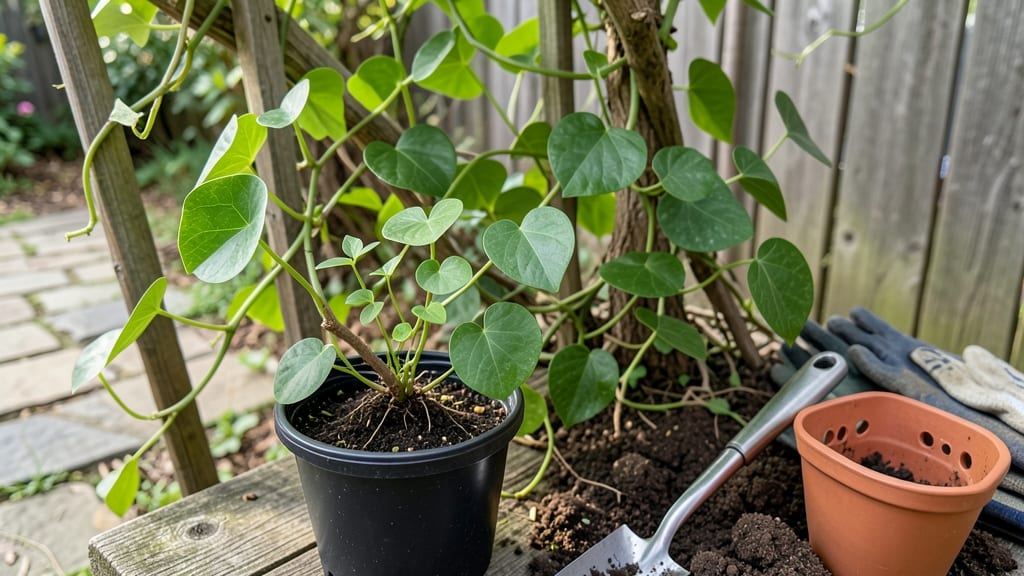
Planting creeping fig (Ficus pumila) means fast root growth and lush green coverage in weeks—not months. 🌿 I’ve turned bare walls and hanging baskets into vibrant displays using just three simple steps, and the best part? You don’t need a green thumb to pull it off.
Start with healthy stem cuttings—4-6 inches long—and root them in water or moist soil. Creeping fig thrives in bright, indirect light and high humidity, so a bathroom or kitchen window works perfectly. Avoid direct sun, which can scorch those delicate new leaves.
Once planted, watch as roots spread aggressively, climbing or cascading with stunning speed. Within 4-6 weeks, you’ll have a thriving wall of foliage that’s perfect for vertical gardens, trellises, or even ground cover in shady spots.
The key is patience—don’t overwater—and letting the plant find its own rhythm. Skip the fancy tools; all you need is a pair of scissors, a pot, and a sunny corner. Ready to transform your space?
📚 In This Guide
- What you need
- Instructions
- Tips and common mistakes
- Wrapping up and next steps
What you need
- ● Creeping fig plant: 1 healthy Ficus pumila (nursery-bought or propagated from cuttings/seeds).
- ○ Optional: 3-5 cuttings (4-6 inches long) if propagating from stems.
- ● Growing containers: 1-2 well-draining pots (6-12 inches wide, with drainage holes). Pro tip: Terracotta or fabric pots work best!
- ○ Optional: Trellis, wall planter, or hanging basket for vertical growth.
- ● Potting mix: 1 bag well-aerated, slightly gritty mix (e.g., 50% potting soil + 50% perlite/pumice or orchid bark).
- ○ Optional: Add 1 tbsp of worm castings for extra nutrients.
- ● Tools: 1 pair of clean, sharp pruning shears (for cuttings).
- ● 1 spray bottle (for misting cuttings or seedlings).
- ● 1 glove (to protect from mild sap irritation).
- ● 1 rooting hormone (to speed up propagation of cuttings).
- ● 1 humidity dome or plastic bag (to retain moisture for seedlings).
- ● 1 slow-release fertilizer (like 5-10-5 NPK, applied sparingly).
- ● 1 moisture meter (to check soil hydration—creeping figs love consistency!).
Step-by-step instructions for planting creeping fig
Here's the foolproof method I use to get those roots growing fast—no fuss, no waiting.
🌱 Step 1: Choose the Right Spot and Prepare the Soil
Creeping fig thrives in bright, indirect light—think east or west-facing windows, or a few feet from a south window. Too much direct sun scorches the leaves, while too little light makes growth slow and leggy. I always test the spot first by placing a small pot there for a day to check light intensity.
Use well-draining soil—creeping fig hates soggy roots. Mix 2 parts potting mix with 1 part perlite or coarse sand to improve drainage. Fill your container 1 inch below the rim to leave room for watering. Tap the pot gently to settle the soil without compacting it too much.
🪴 Step 2: Plant and Water for Immediate Root Contact
Remove the creeping fig from its nursery pot and gently loosen the roots if they're circling tightly. Place the plant in the container so the top of the root ball sits just below the soil line—this prevents stem rot while keeping roots anchored. Fill in around the sides with your prepared mix, pressing lightly to eliminate air pockets.
Water deeply until it drains from the bottom holes, but don't let the plant sit in standing water. I like to water until the soil feels damp 2 inches down—you'll know it's right when excess water runs out the drainage holes. After watering, let it drain completely before placing it in its final spot.
☀️ Step 3: Encourage Fast Root Growth with Light and Humidity
Creeping fig roots grow fastest when the air stays humid and warm. I place a tray of water near the plant or use a small humidifier—aim for 50-60% humidity. You'll see new growth within 2-3 weeks if conditions are right, with roots visibly expanding through the drainage holes if using a clear container.
Keep the soil evenly moist but never soggy—stick your finger in the top inch of soil daily. If it feels dry, water lightly. Avoid letting the plant dry out completely, as this stresses the roots and slows growth. Within 4-6 weeks, you'll notice vigorous new leaves and thicker stems—signs of a happy, rooting plant.
Tips & tricks for planting creeping fig
Here's what nobody tells you—these little details make all the difference for happy, fast-growing creeping fig.
Light Testing Tip: Before planting, place your container in the chosen spot for 24 hours to test light conditions. If leaves show signs of stress (yellowing or browning), move it to a brighter or shadier location. Creeping figs are forgiving, but they'll reward you with faster growth when they have the right light from day one.
Root Loosening Technique: When removing your creeping fig from its nursery pot, gently tease apart any circling roots with your fingers—no need for tools. This prevents root-bound stress and encourages the plant to spread quickly into its new soil. I always do this step outside or over a trash bag to minimize mess.
Soil Mixing Secret: For the 2 parts potting mix to 1 part perlite ratio, measure by volume—not weight. Perlite should be coarse, not fine, to prevent compaction. If you're short on perlite, you can substitute 1 part orchid bark for similar drainage benefits, but stick to the 1:2 ratio for best results.
Watering Wisdom: After planting, let the excess water drain completely before placing your plant in its final spot. This prevents root rot, which is the #1 killer of creeping figs. I like to set the pot on a saucer with pebbles to catch drainage while keeping the bottom dry—this mimics their natural tropical environment.
Pro Tips for Plant A Creeping Fig
- Here's what nobody tells you—these little details make all the difference for happy, fast-growing creeping fig.
- Light Testing Tip: Before planting, place your container in the chosen spot for 24 hours to test light conditions.
- Root Loosening Technique: When removing your creeping fig from its nursery pot, gently tease apart any circling roots with your fingers—no need for tools.
Frequently asked questions
Got questions about growing your creeping fig? You’re not alone! Here are answers to the most common concerns—so you can plant with confidence and watch those roots take off.
When is the best time to plant a creeping fig?
The best time to plant creeping fig is in spring or early summer when temperatures are mild (60–75°F). This gives roots time to establish before winter. However, you can plant year-round in warm climates—just avoid frost or extreme heat. If planting indoors, timing doesn’t matter as much, but spring is ideal for outdoor pots!
How often should I water my creeping fig after planting?
Water your creeping fig thoroughly but infrequently—about once a week (or when the top 1–2 inches of soil feel dry). Overwatering is a common killer! Use well-draining soil and a pot with drainage holes to prevent root rot. Pro tip: Let excess water drain completely to avoid soggy roots.
Can I plant creeping fig in the ground, or is it only for containers?
Creeping fig thrives in containers (it’s a tropical climber!) but can also grow in the ground in USDA Zones 10–12 (warm climates). If planting outdoors, choose a shady or partially shaded spot—it burns easily in full sun. In colder zones, grow it as an annual or container plant and bring it indoors in winter.
Why aren’t my creeping fig leaves turning green after planting?
Pale or yellowing leaves often mean too much sun, underwatering, or poor soil. Move your plant to bright, indirect light and check soil moisture. If leaves are crispy, it’s underwatered; if mushy, it’s overwatered. Amend soil with perlite or compost for better drainage. Fix it fast: Trim damaged leaves and adjust care!
How fast will my creeping fig grow after planting?
With ideal conditions (bright light, warm temps, and consistent watering), creeping fig grows 6–12 inches per year—sometimes faster indoors! Roots establish in 4–6 weeks, and vines will start climbing or trailing within 2–3 months. Speed it up: Fertilize lightly with a balanced plant food every 4–6 weeks in growing season.
Wrapping up and next steps
Planting a creeping fig is a rewarding journey that brings lush, vibrant growth to your space with minimal effort! 🌿 By following these simple steps—selecting healthy cuttings, using the right soil and pot, and providing consistent care—you’ll soon enjoy a thriving, fast-growing plant. Now that you’re ready to plant, why not take the next step? Share your new creeping fig with fellow plant lovers or explore creative ways to display it, like cascading it from a hanging planter or training it up a trellis for a stunning vertical garden.