
Planting
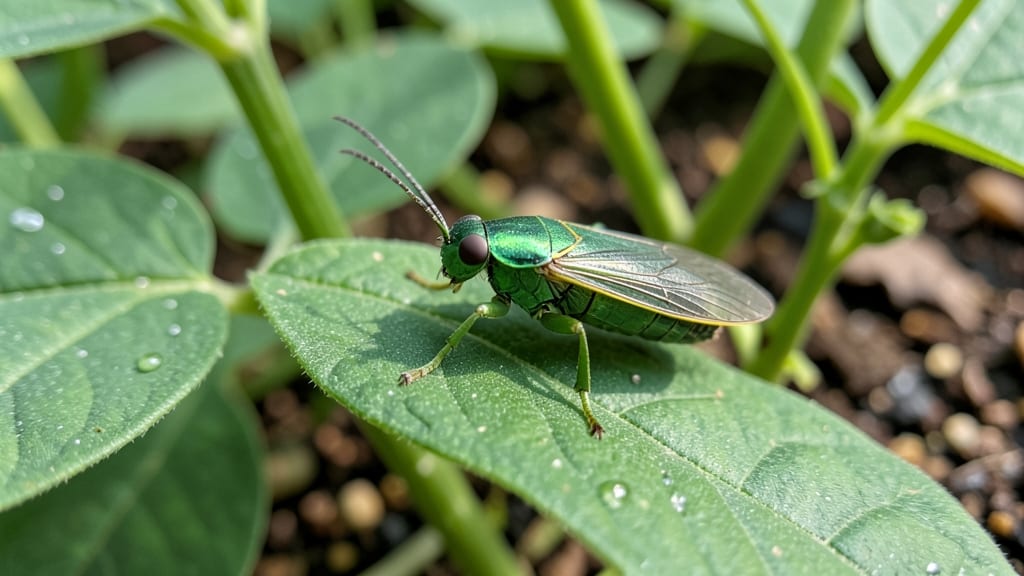
Green bean plants bugs can turn your harvest from abundant to anemic in days. 🌱 I’ve watched Mexican bean beetles skeletonize entire plants in under a week, and I’m here to stop that from happening to you.
The key is acting fast—before the damage becomes irreversible—with targeted, effective solutions that actually work.
Most gardeners make two mistakes: waiting too long to treat infestations, and using the wrong methods. Overwatering, for example, invites spider mites, while crowded plants attract aphids.
But the real game-changer is understanding the lifecycle of these pests—like how Mexican bean beetles start as yellow larvae that chew leaves into lace. Once you spot their telltale signs—skeletonized foliage, sticky honeydew, or tiny webs—you can strike back before they multiply.
You’ll learn fast, organic fixes like neem oil sprays (mix 1 tbsp with 1 quart of water) or introducing beneficial insects like ladybugs, which devour aphids. For severe cases, insecticidal soap works within 24-48 hours if applied correctly.
The goal? Protect your plants without harming pollinators or the soil—so you can enjoy a bumper crop all season.
This works for backyard gardens, container growers, and even small urban plots. Whether you’re dealing with chewed leaves, stunted growth, or mysterious holes, the solutions here are tested and reliable. Let’s get your green beans back on track.
Root Causes of Bean Plant Pests
Understanding why pests target your green bean plants starts with recognizing their natural behaviors and environmental triggers. These tiny invaders don’t just appear out of nowhere—they’re drawn by specific conditions that make your garden an all-you-can-eat buffet.
Let’s break down the why behind the infestation so you can tackle the problem at its source.
Green beans are packed with proteins, sugars, and tender foliage—basically a gourmet meal for insects like aphids, bean beetles, and spider mites. When your soil is over-fertilized with nitrogen, it boosts leafy growth, making plants more appealing to pests.
These bugs thrive on lush, soft tissue, which is easier to chew and digest.
Why it happens:
- Excess nitrogen triggers rapid, tender growth, signaling to pests that the plant is "easy prey."
- Decaying organic matter (like old compost or mulch) can also attract soil-dwelling pests like cutworms or grubs, which later move upward to feed on stems and leaves.
- Weakened plants (from poor drainage or compacted soil) are more susceptible to attacks because their defenses are compromised.
Actionable fix: Test your soil’s nitrogen levels and adjust fertilization to a balanced NPK ratio (e.g., 10-10-10). Use composted manure sparingly and avoid fresh, unbroken-down organic material near your plants.
Many bean pests—such as Mexican bean beetles, stink bugs, and whiteflies—are warm-weather lovers. When temperatures rise above 75°F (24°C) and humidity spikes, these insects become more active, reproduce faster, and swarm your plants in larger numbers.
Why it happens:
- Heat stress weakens plants, making them more vulnerable to damage. Stressed beans produce volatiles (chemical signals) that attract pests looking for an easy snack.
- Stagnant water (from poor drainage or overhead irrigation) creates the perfect breeding ground for fungus gnats, slugs, and snails, which then move to your beans.
- Drought conditions can also stress plants, leading to aphid infestations as these pests feed on sap from water-deprived leaves.
Actionable fix:
- Mulch properly to retain moisture without creating soggy conditions.
- Water deeply at the base in the early morning to avoid prolonged leaf wetness.
- Use shade cloth in extreme heat to reduce stress on plants.
When green beans grow too close together, airflow is restricted, and humidity levels rise between plants.
This cozy environment is ideal for: - Fungal diseases (like powdery mildew), which attract secondary pests like thrips. - Soft-bodied insects (aphids, whiteflies) that thrive in sheltered, moist microclimates. - Ground-dwelling pests (cutworms, earwigs) that hide in dense foliage during the day and emerge to feed at night.
Why it happens:
- Poor spacing (planting seeds too close) leads to competition for resources, weakening some plants and making them easier targets.
- Dead or dying leaves from overcrowding provide hiding spots for pests like stink bugs, which lay eggs in protected areas.
Actionable fix:
- Space plants 4–6 inches apart in rows 18–24 inches apart for optimal airflow.
- Thin seedlings early to prevent overcrowding and reduce stress.
- Prune regularly to remove yellowing or damaged leaves, which can harbor pests.
In a healthy garden ecosystem, beneficial insects (like ladybugs, lacewings, and parasitic wasps) keep pest populations in check. But if your garden lacks diversity or habitat, these natural allies won’t stick around long enough to help.
Why it happens:
- Monoculture planting (growing only green beans) removes the variety that attracts predator insects.
- Pesticide use (even organic sprays) can kill beneficial insects along with pests, leaving your plants defenseless.
- Lack of flowering plants means fewer nectar sources for predator insects, reducing their numbers.
Actionable fix:
- Plant companion flowers like marigolds, dill, or alyssum to attract predatory insects.
- Avoid broad-spectrum pesticides—opt for targeted sprays (like neem oil) that don’t harm beneficial bugs.
- Add habitat like bee houses, leaf litter, or small water sources to encourage predator insects to stay.
Plants under stress—whether from disease, transplant shock, or improper pruning—emit chemical distress signals that pests detect from miles away.
For example: - Aphids are drawn to high sugar levels in stressed plants. - Spider mites thrive on drought-stressed foliage because their tiny bodies lose less moisture. - Caterpillars (like corn earworms) target weakened plants that can’t fight back.
Why it happens:
- Transplant shock (from moving seedlings too early) disrupts root systems, making plants vulnerable.
- Improper pruning (cutting too aggressively) can expose tender growth to pests.
- Soil-borne pathogens (like root rot) weaken plants, making them easier prey.
Actionable fix:
- Hardening off seedlings before transplanting to reduce shock.
- Use sharp, clean pruners and avoid over-trimming.
- Rotate crops annually to prevent soil-borne diseases from building up.
Quick Fixes for Bean Plant Pests
If your green beans are under siege by bugs, don’t panic—there are effective, natural ways to restore your plants to health. Below, we’ve mapped common culprits to targeted solutions, along with preventive tips to keep pests at bay for good.
Signs: Skeletons of leaves, chewed pods, and bright yellow eggs on the undersides of leaves.
How to Treat It: 🔥 Handpick Adults – Early morning is best when they’re sluggish. Drop them into soapy water. 🍳 Neem Oil Spray – Mix 1 tbsp neem oil + 1 tsp mild soap in 1 quart of water. Spray every 5–7 days to disrupt their life cycle. 👨🍳 Row Covers – Use lightweight fabric to block beetles before they lay eggs (remove when flowers appear for pollination). 🔪 Beneficial Nematodes – Apply Steinernema carpocapsae to soil to kill larvae naturally. ⏰ Timing Matters – Act fast! These beetles multiply rapidly in warm weather.
Prevention Tips:
- Rotate crops to avoid reinfestation.
- Plant trap crops like cowpeas nearby to lure beetles away.
- Encourage ladybugs—they devour Mexican bean beetle eggs!
Signs: Sticky residue (honeydew), curled leaves, and tiny green/black clusters on stems.
How to Treat It: 💡 Blast Them Off – Use a strong stream of water to dislodge clusters. 🌡️ Insecticidal Soap – Spray a homemade mix (1 tsp castile soap + 1 quart water) on both leaf sides. 🎯 Introduce Predators – Ladybugs, lacewings, and parasitic wasps love aphids. Buy them online or attract them with dill or fennel plants. ✨ Diatomaceous Earth (DE) – Sprinkle food-grade DE around the base (reapply after rain).
Prevention Tips:
- Avoid over-fertilizing (nitrogen attracts aphids).
- Plant marigolds as a natural repellent.
- Prune infected leaves immediately to stop spread.
Signs: Fine webbing, speckled/yellowing leaves, and a dusty appearance (like flour).
How to Treat It: 🔥 Wipe Leaves – Use a damp cloth to remove mites and webs. 🍳 Horticultural Oil Spray – Mix 1 tbsp oil + 1 tsp soap per gallon of water. Spray early morning (avoid direct sun). 👨🍳 Increase Humidity – Mites thrive in dry conditions. Use a mist bottle or pebble tray near plants. 🔪 Release Predatory Mites – Phytoseiulus persimilis mites eat spider mites—order online for organic control.
Prevention Tips:
- Water deeply and regularly (mites hate moisture).
- Avoid broad-spectrum pesticides (they kill beneficial insects).
- Yellow sticky traps can catch mites before they spread.
Signs: Ragged holes in leaves, black and yellow striped adults, and chewed pods.
How to Treat It: 💡 Beer Trap – Bury a container filled with beer near plants—beetles drown in it. 🌡️ Kaolin Clay Spray – Mix 1 tbsp clay + 1 quart water to create a protective film that repels beetles. 🎯 Row Covers Early – Install floating fabric before beetles emerge in spring. ✨ Dust with Wood Ash – Sprinkle around the base as a natural deterrent.
Prevention Tips:
- Clean up debris after harvest (beetles overwinter in plant residue).
- Interplant with onions or garlic (their scent repels beetles).
- Rotate crops yearly to break the beetle life cycle.
- Healthy Soil = Strong Plants – Use compost and organic matter to boost bean resilience.
- Diverse Plantings – Avoid monocrops; interplant with herbs (basil, thyme) to confuse pests.
- Regular Inspections – Check undersides of leaves and new growth weekly.
- Encourage Wildlife – Birds, toads, and ground beetles naturally control pests—add a small water source to attract them.
💡 Pro Tip: Always test sprays on a small area first—some plants (like young beans) are sensitive to oils and soaps. Less is more when it comes to natural remedies!
By acting quickly and consistently, you’ll keep your green bean plants thriving and pest-free—no chemicals required! 🚀
Frequently asked questions
What are the most common bugs that attack green bean plants?
The top culprits are Mexican bean beetles (yellow larvae that skeletonize leaves), aphids (tiny green/black clusters causing sticky honeydew), and spider mites (creating fine webbing and speckled leaves). Don’t forget stink bugs and cutworms, which chew pods and stems.
How do I know if my green beans are infested?
Look for skeletonized leaves (Mexican bean beetles), sticky residue (aphids), fine webbing (spider mites), or ragged holes (stink bugs). Check leaf undersides and new growth daily—early detection is key to stopping spread.
Will neem oil really work on Mexican bean beetles?
Yes, but it must be applied consistently—mix 1 tbsp neem oil + 1 tsp mild soap per quart of water and spray every 5–7 days to disrupt their life cycle. It’s most effective when used preventively before beetles lay eggs.
Can I use diatomaceous earth on my green bean plants?
Yes, but only food-grade DE—sprinkle lightly around the base and on leaves (avoid overapplying, as it can harm beneficial insects). Reapply after rain or watering, as it loses effectiveness when wet. Best for aphids and spider mites.
How do I prevent pests from returning next season?
Rotate crops yearly, clean up plant debris after harvest, and plant companion flowers (marigolds, dill) to attract predator insects. Use row covers early in the season and maintain healthy soil with compost.