
Planting
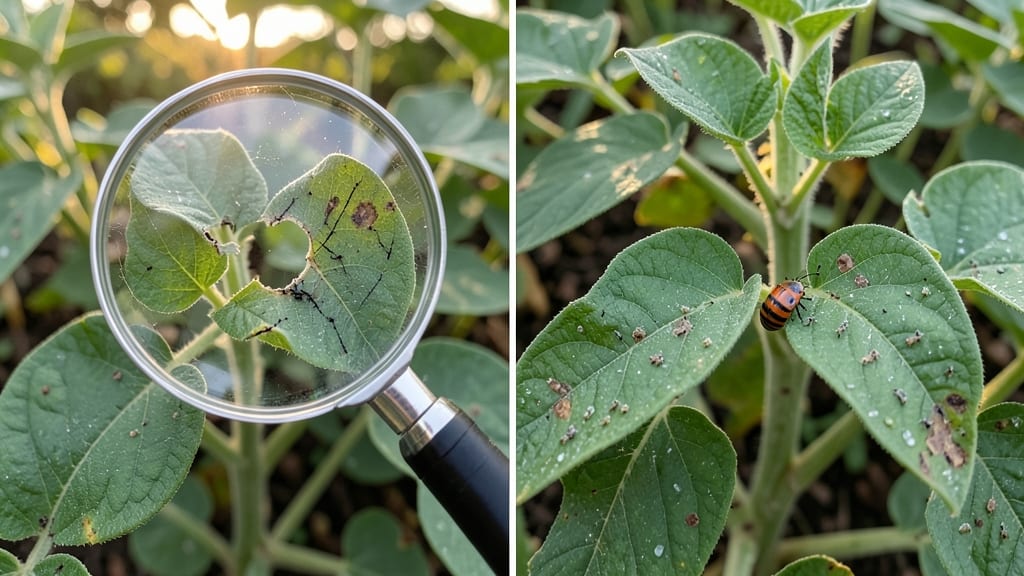
Your potato plants are screaming for help when those jagged holes appear. 🌱 I’ve seen flea beetles turn lush foliage into Swiss cheese overnight, and slugs chew through leaves like they’re at an all-you-can-eat buffet. The good news? Most damage is fixable—without harsh chemicals—if you catch it early.
First, identify the culprit: tiny holes with a ragged edge? Flea beetles. Slimy trails at dawn? Slugs. Yellowing leaves with black spots? Late blight. Once you know the enemy, you can outsmart it—neem oil for beetles, beer traps for slugs, and copper tape for blight prevention.
I’ve saved entire harvests with these tricks. What you’ll end up with is a potato patch that thrives, not just survives. The leaves stay strong, the tubers grow bigger, and you avoid the heartbreak of a ruined crop.
Early action means the difference between a bountiful harvest and a disappointing one. This works for both backyard plots and container gardens. Let’s get those leaves healthy again—before the damage spreads.
Hidden Culprits Behind Leaf Damage
Understanding why potato plant leaves develop holes is the first step to saving your crop. These issues often stem from a mix of environmental stressors, pests, and diseases—each leaving its own distinct signature on your plants.
Let’s break down the real causes behind those unsightly (and potentially harmful) perforations in your potato foliage.
Potato plants are a buffet for hungry insects, and their feeding habits can turn leaves into Swiss cheese overnight. Here’s who’s likely responsible:
- Colorado Potato Beetles (Leptinotarsa decemlineata) These striped invaders are the #1 culprit for chewed potato leaves.
Their larvae and adults skeletonize foliage—eating between veins and leaving behind a lacy, hole-ridden mess. 🐞 - Why it happens: Adults overwinter in soil and emerge in early summer to lay eggs on the undersides of leaves. Larvae hatch and devour leaves voraciously for 2–3 weeks before pupating.
- Flea Beetles (Epitrix spp.) Tiny but destructive, these black beetles punch tiny holes (often in a shot-gun pattern) while feeding. Heavy infestations weaken plants, making them susceptible to disease. - Why it happens: They thrive in hot, dry conditions and are drawn to stressed or newly planted potatoes.
Their feeding also creates entry points for fungal infections.
- Potato Leafhoppers (Empoasca fabae) These sap-sucking pests don’t chew holes but pierce cells, causing stippling (tiny white dots) that expand into larger holes as leaves dry out.
- Why it happens: They multiply rapidly in warm weather and are attracted to lush, young growth.
- Slugs and Snails While not insects, these slimy pests leave irregular, jagged holes—often at night or after rain. They target tender young leaves and stems.
- Why it happens: They thrive in moist, shaded conditions and are drawn to organic matter (like decaying leaves) near potato plants.
Holes in potato leaves aren’t always caused by pests—fungal infections can also create similar damage, often starting as small lesions that expand into larger perforations.
- Early Blight (Alternaria solani) This common disease causes target-like spots (concentric rings) that turn brown and drop out, leaving holes. It thrives in hot, humid conditions. - Why it happens: Spores survive in soil or plant debris, infecting leaves through wounds (like from hail or pest feeding).
Splashed water during rain spreads the fungus upward.
- Late Blight (Phytophthora infestans) While late blight is more famous for soft, greasy-looking spots, severe cases can cause leaves to collapse and shred, mimicking hole damage. - Why it happens: This disease spreads via water and wind, especially in cool, wet weather.
It’s more aggressive in dense plantings with poor airflow.
- Leaf Spot Diseases (e.g., Septoria, Cercospora) These fungi create small, circular lesions that enlarge and merge, creating larger holes as infected tissue dies. - Why it happens: Overhead watering or frequent leaf wetness (from dew or rain) encourages spore germination.
Infected plant debris in soil can reintroduce the pathogen yearly.
Sometimes, holes in leaves are a symptom of environmental abuse—not a direct attack. Here’s how weather and growing conditions can weaken your potatoes:
- Hail or Wind Damage Storms can tear leaves apart, leaving ragged holes.
Unlike pest damage, these wounds are irregular and often affect entire plants at once. - Why it happens: Potatoes with tall, weak stems (from over-fertilizing with nitrogen) are more susceptible to snapping in high winds.
- Excessive Heat or Drought Heat stress causes leaf scorch, where edges and tips brown and crisp, sometimes falling out to resemble holes. - Why it happens: In dry, hot conditions, plants close stomata to retain water, leading to oxidative damage and cell death.
Young leaves are most vulnerable.
- Waterlogged Soil Poor drainage leads to root rot and nutrient deficiencies, weakening leaves. Affected leaves may develop yellowing (chlorosis) with holes as tissue collapses.
- Why it happens: Roots can’t absorb oxygen in soggy soil, leading to anaerobic stress and systemic decline.
- Chemical Burn (Over-Fertilization or Herbicide Drift) Accidental exposure to salt buildup (from fertilizer) or herbicides can cause necrotic spots that expand into holes.
- Why it happens: High salt concentrations disrupt cell membranes, while herbicides (like glyphosate) can damage foliage if sprayed incorrectly.
Even the best gardeners make blunders that create the perfect conditions for leaf damage. Here’s how:
- Overcrowded Plants Dense foliage traps moisture and reduces airflow, promoting fungal diseases like early blight.
- Why it happens: Potatoes need 12–18 inches of space between plants. Crowding stresses roots and leaves, making them easier targets.
- Improper Pruning Cutting too aggressively or removing too many leaves (especially early in the season) reduces the plant’s ability to photosynthesize and defend itself. - Why it happens: Potatoes rely on leaves to build tubers.
Over-pruning weakens the plant, making it more susceptible to pests and disease.
- Ignoring Soil Health Compacted or nutrient-poor soil leads to stunted growth and weak leaves, which pests and diseases exploit.
- Why it happens: Potatoes need well-draining, fertile soil with a pH of 5.0–6.5. Poor soil = stressed plants = open invitations for trouble.
Fixing Leaf Damage Naturally
Now that you know the culprits behind those pesky holes in your potato plant leaves—whether it’s late blight, early blight, pests, or environmental stress—it’s time to roll up your sleeves and restore your garden’s health.
Below, we’ve broken down practical, organic solutions tailored to each cause, along with prevention tips to keep your potatoes thriving.
Blight is the most common and destructive issue for potato leaves, but with quick action, you can stop the spread and save your crop.
🔥 Remove Infected Foliage Immediately
- How: Snip off any leaves with dark spots, holes, or yellowing using sterilized pruners (wipe with rubbing alcohol between cuts).
- Why: Fungal spores spread via water and wind—removing infected leaves cuts off the infection source.
- Pro Tip: 💡 Don’t compost blighted leaves—they’ll reinfect your soil. Burn or trash them instead.
🍳 Apply Copper-Based Fungicide (Organic & Effective)
- How: Use a copper fungicide spray (like copper sulfate or copper hydroxide) every 7–10 days during wet conditions.
- Mix: Follow label instructions (typically 1–2 tbsp per gallon of water).
- Best Time: Spray early morning or late evening to avoid burning leaves in direct sunlight.
- Pro Tip: 🌡️ Mix with baking soda (1 tbsp per gallon) for extra fungal resistance.
👨🍳 Boost Plant Immunity with Neem Oil
- How: Mix 1 tsp neem oil + 1 tsp mild soap per quart of water.
Spray both leaves and soil (avoid spraying in direct sun). - Why: Neem oil disrupts fungal spores and strengthens plant defenses. - Frequency: Apply every 5–7 days until blight signs disappear.
⏰ Improve Airflow & Reduce Moisture
- How:
- Space plants 12–18 inches apart (if newly planted).
- Avoid overhead watering—use drip irrigation or soaker hoses instead.
- Water in the morning so leaves dry by evening.
- Why: Blight thrives in humid, stagnant conditions.
Good airflow prevents spores from settling.
Pests chew through leaves, leaving irregular holes and notches. Here’s how to evict them for good.
🥘 Trap & Remove Slugs & Snails
- How:
- Beer traps: Bury a shallow dish filled with beer—slugs crawl in and drown. Refresh every 2–3 days.
- Copper barriers: Place copper tape around pots or garden beds—slugs get a painful shock and avoid crossing.
- Handpick at night: Use a flashlight to spot and drop them in soapy water.
- Pro Tip: 🌙 Check under boards or mulch—slugs hide there during the day.
🔪 Defend Against Flea Beetles & Aphids
- How:
- Row covers: Use floating fabric row covers (like Agribon) to block beetles and aphids while allowing light and water through.
- Diatomaceous earth (DE): Sprinkle food-grade DE around the base of plants—it dehydrates insects on contact.
- Insecticidal soap: Spray neem oil or insecticidal soap directly on pests (reapply after rain).
- Pro Tip: 🎯 Plant trap crops like radishes or nasturtiums nearby to distract pests from potatoes.
🌿 Encourage Beneficial Insects
- How: Plant marigolds, dill, or yarrow near potatoes to attract ladybugs, lacewings, and parasitic wasps—they devour pests naturally.
- Why: A balanced ecosystem reduces the need for chemical sprays.
If holes are from wind, hail, or nutrient deficiency, your plants need support to bounce back.
💪 Strengthen Weak Plants with Fertilizer
- How:
- Test soil pH (ideal for potatoes: 5.0–6.5).
Adjust with lime (to raise pH) or sulfur (to lower pH). - Add compost or balanced organic fertilizer (like 5-5-5) at planting time. - Side-dress with nitrogen (like alfalfa meal) if leaves are pale or stunted. - Pro Tip: ✨ Use banana peels (bury chopped peels near plants) for a potassium boost—helps with disease resistance.
🏡 Protect from Harsh Weather
- How:
- Windbreaks: Plant tall grasses or a windbreak fence to shield potatoes from strong gusts.
- Mulch heavily: Use straw or grass clippings to insulate roots and retain moisture.
- Cover young plants with cloches or row covers during hail forecasts.
An ounce of prevention is worth a pound of cure! Follow these steps to keep your potato leaves hole-free in future harvests.
| Problem | Prevention Strategy |
|---|---|
| Blight | Choose resistant varieties (e.g., 'Red LaSoda' for late blight). Rotate crops yearly. |
| Pests | Interplant with garlic or onions (repels many insects). Use companion planting. |
| Wind/Hail Damage | Stake or cage plants early to support growth. Plant in sheltered areas. |
| Nutrient Deficiency | Amend soil before planting with compost and balanced fertilizer. |
Final Thought: 🌟 With consistent care and organic fixes, your potato plants can recover quickly—and next year, you’ll enjoy lush, hole-free foliage leading to a bountiful harvest. Stay vigilant, and happy gardening!
Frequently asked questions
What do tiny holes in potato leaves usually mean?
Those small, shot-gun-like holes are almost always flea beetles—tiny black beetles that chew through leaves while feeding. They thrive in hot, dry weather and often appear on young potato plants. Look for these clues: holes are uniform in size, often with a shiny residue from beetle saliva.
How can I tell if my potato plant holes are from pests vs. disease?
Pest damage has irregular edges (like slugs or beetles chewing), while fungal diseases create concentric rings or greasy spots that eventually drop out. Check the leaf undersides too—pests leave behind eggs or frass (insect poop), while diseases show black or brown spots with a fuzzy texture.
Will holes in potato leaves affect my harvest?
Yes, but it depends on timing and severity. Early-season damage reduces the plant's ability to photosynthesize, while late-season holes often don't impact tubers much. The real concern is secondary infections—holes create entry points for blight. If you see more than 20% leaf damage, act fast to protect your yield.
Can I still save my potato plants if the holes are severe?
Start by removing heavily damaged leaves and applying neem oil or copper fungicide immediately. For pests, use row covers or diatomaceous earth. The key is consistent care—healthy soil, proper spacing, and good airflow will help your plants recover. Most potatoes can bounce back if you catch issues early!
How do I prevent holes in potato leaves next season?
Focus on prevention: rotate crops yearly, choose resistant varieties, and maintain clean garden beds. Use companion planting (like garlic or marigolds) to repel pests, and always test your soil pH (aim for 5.0–6.5). Proper spacing (12–18 inches apart) improves airflow and reduces disease risk.