
Planting
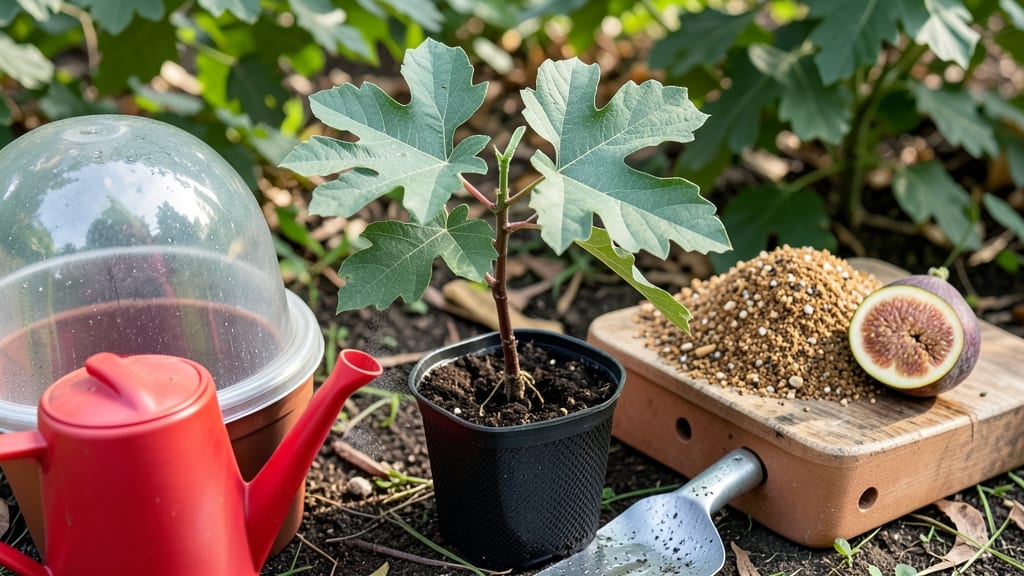
How to plant a fig tree from a fig turns grocery store fruit into a sun-loving tree that produces its own harvest. 🌱 The secret starts with choosing a ripe, organic fig and a warm spot—no greenhouse needed. I’ve rooted figs from store-bought fruit in my kitchen, and with the right steps, you can too. You’ll need just three things: a fig, a jar of water, and patience (about 6-8 weeks for roots). The process is simple but requires consistency—changing the water weekly and keeping the jar in bright, indirect light. Most people give up too soon, but once those first white roots appear, it’s worth it. By late spring, you’ll transplant your rooted fig into soil and watch it grow into a sturdy tree. The first year focuses on establishing roots, but by year two, you’ll see leaves and maybe even tiny figs forming. It’s a slow burn, but the payoff is a tree that thrives for decades. Works in zones 7-10, though container growing extends the range. Here’s how to do it right from start to transplant—no fancy tools required.
📚 In This Guide
- What you need
- Instructions
- Tips and common mistakes
- Wrapping up and next steps
What you need
Growing a fig tree from a fresh fig is an exciting project, but it starts with gathering the right tools and materials! Here’s what you’ll need to get started—whether you’re a green thumb or a beginner:
🌱 Essential Materials & Tools
- Fresh, ripe fig – Choose a organic fig with no blemishes (e.g., Mission, Black Mission, or Brown Turkey varieties).
- Sharp knife or pruning shears – Sterilized to prevent disease (rubbing alcohol wipe recommended).
- Rooting hormone (optional but helpful) – A gel or powder to boost root growth (e.g., Rootone).
- Small pots (3–4 inches in diameter) – At least 2–3 pots for multiple cuttings (use sterile potting mix).
- Well-draining potting soil – A mix of 50% perlite or sand + 50% peat or coconut coir (avoid garden soil—it’s too dense!).
- Clear plastic bag or propagator dome – To create a humid environment (a ziplock bag works in a pinch!).
- Spray bottle with water – For gentle misting (avoid soaking the cutting).
- Heat mat (optional) – Keeps soil warm (70–75°F) to speed up rooting.
- Patience & sunlight! – A sunny windowsill or grow light (6+ hours of indirect light daily).
💡 Pro Tips for Success
- 🌡️ Temperature matters: Ideal rooting temps are 70–80°F—keep cuttings cozy!
- ✨ Sterilize everything: Clean tools and pots reduce the risk of fungal infections.
- 🎯 Choose the right fig: Some varieties (like Desert King) root easier than others—do your research!
Step-by-step instructions for growing a fig tree from a fresh fig
Here's my foolproof method for turning a store-bought fig into a thriving tree.
🌱 Step 1: Select and Prepare Your Fig
Choose a ripe but firm fig with a short stem—overripe figs rot before roots form. Rinse it gently to remove any wax coating, then pat dry with a paper towel. The stem should be at least 1-2 inches long with a few small leaves still attached. If your fig has no stem, don't worry—just look for the tiny bump where it was attached to the branch.
Real talk: the stem is where all the magic happens. Without it, you're working with a much harder (and less reliable) method. If your fig has a stem, you're already ahead of 90% of beginners. Place the fig in a shallow dish of room-temperature water so just the stem is submerged. Change the water daily to prevent bacterial growth.
💧 Step 2: Encourage Root Growth in Water
Set the dish in a bright, indirect light spot—think east-facing windowsill or under fluorescent lights. Avoid direct sun, which can overheat the water and stress the fig. You'll see tiny white roots emerge from the stem in about 2-4 weeks. I like to check daily but resist the urge to handle the fig too much—roots are delicate and can break easily.
When roots reach 1-2 inches long, it's time to move to soil. Wait until you see multiple roots forming—this ensures your fig has a strong start. Don't rush this step. A weak root system means a weak plant that may never thrive. If roots brown or smell bad, start fresh with a new fig.
🪴 Step 3: Plant in Well-Draining Soil
Use a 4-inch diameter pot with drainage holes and fill it with a mix of 50% potting soil and 50% perlite or coarse sand. This ensures excellent drainage—figs hate soggy roots. Gently remove the fig from water, being careful not to damage the roots, then plant it so the stem is buried just below the soil line. Press the soil lightly around the base to secure the plant.
Water lightly until moisture reaches the bottom of the pot, then let it drain completely. Place the pot in bright, indirect light for the first week to help the plant adjust. You'll know it's settling in when new leaves appear after 2-3 weeks. Here's the thing—figs are drought-tolerant once established, but they need consistent moisture while rooting in soil.
☀️ Step 4: Acclimate to Sun and Care for Growth
After 4-6 weeks, gradually introduce your fig to morning sun (2-3 hours daily). Over the next month, increase sun exposure until the plant gets full sun (6+ hours) by late spring. Watch for leaves turning yellow or crispy—this means too much sun too soon. A healthy fig will develop deep green, glossy leaves and show signs of new growth within 8-12 weeks.
Water when the top inch of soil feels dry, but never let the pot sit in standing water. Figs need moderate moisture—not soggy, not bone-dry. Once established, they're incredibly resilient. Fertilize lightly every 4-6 weeks in spring and summer with a balanced, water-soluble fertilizer (half-strength). Skip fertilizer in winter—the plant needs to rest.
Tips & tricks for growing a fig tree from a fresh fig
Here's what nobody tells you—these little details make all the difference between a thriving fig tree and a sad, wilted experiment.
The Stem Secret: That little stem is your golden ticket to success. If your fig doesn't have one, look for the tiny bump where it was attached—the roots will grow from there, but it's a slower process. I've tried this method without a stem and it took twice as long. If you're using the bump method, be extra patient with the 2-4 week rooting time—it might take longer.
Water Quality Matters: Use room-temperature water, not cold straight from the fridge. Cold water can shock the fig and slow down root growth. I also use filtered water when possible—tap water with chlorine can stress the plant. Change the water daily as instructed, but don't be tempted to add rooting hormone unless you're dealing with particularly stubborn figs. Most store-bought figs don't need it.
Light Balance: That bright, indirect light is crucial during the rooting phase. A south-facing window without direct sun is ideal. I've seen people try to use grow lights too close, which can actually burn the delicate leaves. If you don't have a good windowsill spot, fluorescent lights about 6 inches away work well. Just remember—no direct sun until the acclimation phase in Step 4.
Transplant Timing: When you see those 1-2 inch roots, don't rush to plant! Wait until you have multiple roots forming—this gives your fig a strong foundation. I've made the mistake of transplanting too soon, and those plants always struggled. The first week after transplanting in soil is critical—keep that bright, indirect light going and water lightly. Overwatering now can drown your new roots.
Pro Tips for Plant A Fig Tree From A Fig
- Here's what nobody tells you—these little details make all the difference between a thriving fig tree and a sad, wilt...
- The Stem Secret: That little stem is your golden ticket to success. If your fig doesn't have one, look for the tiny b...
- Water Quality Matters: Use room-temperature water, not cold straight from the fridge. Cold water can shock the fig an...
Frequently asked questions
Got questions about growing a fig tree from a fig? You’re not alone! Here are some of the most common concerns—and straightforward answers—to help you succeed.
Can I grow a fig tree from any fig I buy at the grocery store?
Unfortunately, most store-bought figs are commercially bred varieties that won’t grow true from seed. For propagation, use organic figs from a homegrown tree or a trusted nursery. Look for plump, ripe figs with no signs of mold or damage.
How long does it take for a fig seed to sprout?
Fig seeds can take 2–4 weeks to sprout, depending on warmth and moisture. Keep the soil consistently damp (but not soggy) and place the pot in a warm spot (70–80°F). Patience is key—some seeds may take longer!
What if my fig seed doesn’t sprout? What’s the next step?
If no sprouts appear after 6 weeks, the seed may be non-viable or dormant. Try soaking a fresh seed in warm water for 24 hours before replanting. If that fails, source a new seed or consider alternative propagation methods like air-layering.
Can I plant fig seeds outdoors directly, or do they need to start indoors?
Fig seeds must start indoors in a controlled environment (like a pot with warm soil) to protect them from frost and ensure proper germination. Once seedlings are 6–12 inches tall, you can transplant them outdoors—after the last frost in your zone.
Will my homegrown fig tree produce fruit like the parent plant?
Not necessarily! Fig trees grown from seed are unpredictable—they may produce smaller, different-tasting figs (or none at all) for years. For consistent fruit, graft a known variety onto your seedling or buy a rooted cutting from a nursery.
Still stumped? Drop your question in the comments—we’re happy to help!
Wrapping up and next steps
Growing a fig tree from a fresh fig is a rewarding journey that connects you to nature’s bounty—one sweet bite at a time! 🌱 With patience, the right tools, and a little care, you’ll soon watch your tiny cutting sprout into a thriving plant.
Whether you’re a beginner or a seasoned gardener, this method is a fun way to expand your green space or share figs with friends.
Now that you’re armed with the know-how, take the next step: grab a ripe fig, follow the steps, and give your new tree the love it deserves. Happy planting—and may your harvest be plentiful! 🍇✨