
Planting
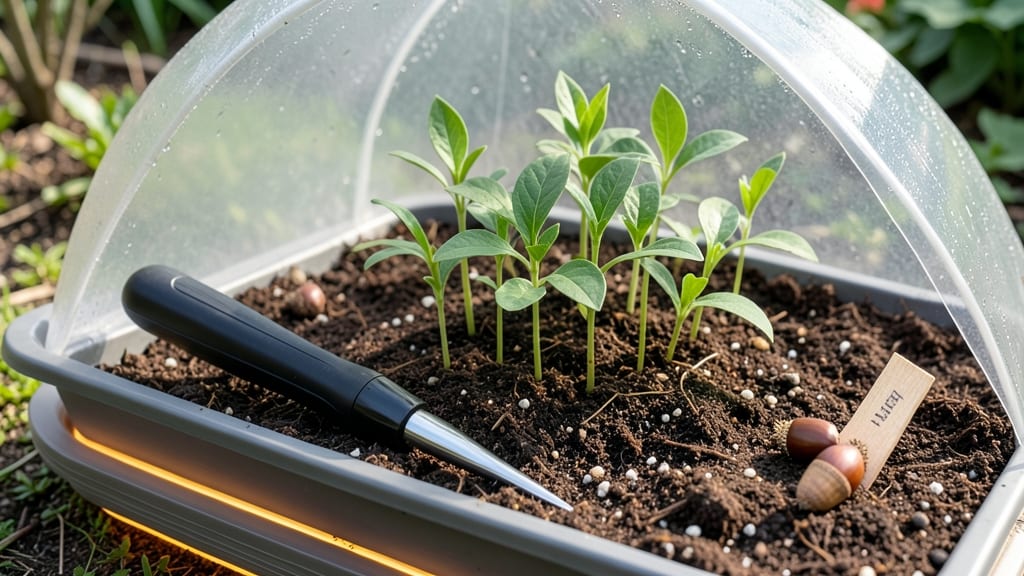
Planting beech tree seeds feels like betting on a future forest—it takes patience, but the payoff is worth it. 🌱 These seeds need the right conditions to break dormancy, and I’ve learned that rushing them only leads to disappointment.
The key is mimicking their natural forest floor environment, where they slowly release from their hard shells and sprout when conditions are just right.
Start with a well-draining soil mix—equal parts peat moss, perlite, and compost—and keep it consistently moist but never soggy. Beech seeds need stratification (a cold period) to germinate, so either plant them outdoors in fall or mimic winter by refrigerating them for 6-8 weeks before sowing.
Scatter them shallowly—just ¼ inch deep—since they need light to trigger growth.
Germination can take 3-12 months, so don’t give up if nothing happens in the first few weeks. Once sprouts appear, keep them in partial shade and water gently to avoid disturbing the delicate roots.
Young beech trees grow slowly at first, but with consistent moisture and protection from strong winds, they’ll develop into sturdy saplings ready for transplanting in a few years.
Direct sowing works best for most gardeners, but if you’re in a cold climate, starting them in containers gives you more control. The real secret? Patience—beech trees are long-term investments, but the mature shade they provide makes every season of waiting worthwhile.
Here’s how to set them up for success from day one.
📚 In This Guide
- What you need
- Instructions
- Tips and common mistakes
- Wrapping up and next steps
What you need
- ● Beech tree seeds: 10–20 fresh, mature seeds (harvested in autumn, ideally from Fagus sylvatica or your local species). Store them in a cool, dry place if not planting immediately.
- ● Seed-starting mix: 1–2 gallons of sterile, well-draining potting soil (avoid garden soil—it may harbor pathogens). Look for a mix labeled for seedlings or hardwood trees.
- ● Containers: Small pots (3–4 inches deep) or seed trays with drainage holes for initial planting.
- ● 1–2 larger containers (6+ inches deep) for transplanting seedlings after germination.
- ● Plastic wrap or humidity dome: A clear plastic bag or propagator lid to maintain moisture during germination.
- ● Spray bottle: For gentle watering (avoid soaking the soil).
- ● Labeling tags: Waterproof markers or tags to track seed varieties and planting dates.
- ● Grow lights or sunny windowsill: A south-facing window or LED grow lights (12–16 hours/day) for seedlings.
- ○ Heat mat (optional but helpful): A seedling heat mat (70–75°F) to speed up germination (beech seeds thrive in warmth!).
- ● Stratification setup: A refrigerator (for cold stratification) or a mix of sand/peat moss if you’re pre-treating seeds for faster germination.
- ● Fungicide: A mild solution (like hydrogen peroxide 3%) to prevent mold if seeds sit too damp.
- ● Transplanting tools: Small hand trowel and biodegradable pots for easier seedling relocation.
- ● Outdoor hardening-off space: A sheltered patio or greenhouse for acclimating seedlings before permanent planting.
Step-by-step instructions for planting beech tree seeds
Here's the method I've perfected over years of growing beech trees from seed—it's slow but rewarding.
🌱 Step 1: Harvest and Prepare the Seeds
Collect beech tree seeds in late fall when they've fallen naturally—they won't germinate fresh from the tree. Remove any seeds with obvious damage or insect holes. I soak them in lukewarm water for 24 hours first to soften the hard outer shell, which helps break dormancy. This step is crucial because beech seeds have thick coats that block moisture.
After soaking, place the seeds in a paper towel or moistened vermiculite in a sealed container. Keep them in a cool, dark place (35-40°F) for 3 months. This cold stratification mimics winter conditions and signals the seed it's time to grow. Check monthly to ensure the medium stays moist but not soggy—mold will ruin your seeds.
🌿 Step 2: Sow the Stratified Seeds
After stratification, fill 4-inch pots with a mix of 50% peat moss and 50% perlite—this lightweight blend prevents root rot while allowing airflow. Plant each seed 1 inch deep in its own pot. Beech trees hate being transplanted later, so individual pots prevent root disturbance.
Water gently until moisture seeps from the drainage holes, then place the pots in a warm, bright location (65-75°F). I use a seedling heat mat set to 70°F for the first 2 weeks to encourage germination. You'll see the first green shoots in 4-8 weeks, but don't be surprised if some take longer—patience is key with beech seeds.
☀️ Step 3: Provide Care During Early Growth
Once sprouts emerge, move them to bright, indirect light and reduce bottom heat. Beech seedlings need 12-14 hours of light daily, but direct sun can scorch tender leaves. I rotate the pots weekly so growth stays even—you'll notice one side stretching toward the light if you don't.
Water when the top inch of soil feels dry, but avoid soggy conditions. Beech trees are sensitive to overwatering, and their roots need oxygen. Use a moisture meter if you're unsure—aim for 40-50% soil moisture. Fertilize lightly with a balanced 10-10-10 solution at half strength every 6 weeks starting at 3 months.
🪴 Step 4: Transplant and Establish Outdoors
Wait until seedlings are 12-18 inches tall with 4-5 sets of leaves before transplanting outdoors. Choose a partial shade location with well-draining soil—they tolerate shade better than full sun. Dig a hole twice as wide as the root ball but only as deep as the container.
Water deeply the day before transplanting to reduce shock. Handle the seedling carefully—beech trees have delicate roots. Backfill with native soil and tamp gently to remove air pockets. Mulch with 2 inches of wood chips to retain moisture and protect roots. The first year outdoors is critical; keep soil consistently moist and monitor for pests like deer or rabbits that love young beech trees.
⏰ Step 5: Long-Term Care for Maturity
Beech trees grow slowly, so give them 5-10 years to establish before expecting significant height. Prune only to remove dead or crossing branches—these trees develop a strong structure naturally. In late winter, fertilize with compost or slow-release granules to support growth.
Watch for signs of stress like yellowing leaves or stunted growth. These often indicate overwatering, poor drainage, or insufficient light. Beech trees are resilient but need consistent care. With time, your seedlings will grow into majestic trees with distinctive smooth bark and vibrant fall color—worth every step of the process.
Tips & tricks for perfect beech tree seed germination
These time-tested strategies will help you navigate the delicate process of growing beech trees from seed with confidence.
Stratification Success: The 3-month cold stratification at 35-40°F is non-negotiable for breaking dormancy. I've found that using a refrigerator's crisper drawer—where temperatures stay consistently cool—works perfectly. Place your sealed container on a shelf rather than the door where temps fluctuate. For visual confirmation, mark the container with a date so you remember when the 3 months are complete. This mimics natural winter conditions that trigger germination.
Soaking Secrets: That initial 24-hour lukewarm water soak softens the hard seed coat, but don't let the water get too warm—above 85°F can damage the seed. I use a thermometer to monitor the water temperature, especially if your kitchen gets warm. After soaking, gently pat the seeds dry before placing them in your stratification medium. This prevents mold growth during the cold period, which would ruin your entire batch.
Lighting Strategy: Once you move the pots to warm conditions (65-75°F) after stratification, position them under grow lights rather than relying on natural light alone. Beech seedlings need 12-14 hours of light daily, and natural light varies seasonally. I use full-spectrum LED grow lights on a timer to maintain consistent light exposure. Place lights about 6 inches above the seedlings and adjust as they grow—too close can scorch tender leaves.
Transplanting Timing: Waiting until seedlings reach 12-18 inches with 4-5 sets of leaves before transplanting outdoors is crucial for survival. I check for these specific growth markers rather than guessing by time. The first year outdoors is critical, so choose a sheltered location protected from strong winds. Beech trees establish slowly, so give them time to adapt—don't rush the process by transplanting too early when roots aren't developed enough.
Pro Tips for Plant Beech Tree Seeds
- These time-tested strategies will help you navigate the delicate process of growing beech trees from seed with confidence.
- Stratification Success: The 3-month cold stratification at 35-40°F is non-negotiable for breaking dormancy.
- Soaking Secrets: That initial 24-hour lukewarm water soak softens the hard seed coat, but don't let the water get too warm—above 85°F can damage the seed.
Frequently asked questions
How long does it take for beech tree seeds to germinate?
Beech seeds can take anywhere from 3 months to 2 years to germinate. Cold stratification (mimicking winter) is key—plant them in fall or soak them in water for 3–6 months before sowing. Don’t rush! Patience is part of the magic.
What’s the best time of year to plant beech tree seeds?
The ideal window is late fall or early winter (October–December). Planting seeds outdoors during this time lets nature handle cold stratification. If sowing indoors, stratify them first (3–6 months in a moist, cold environment) and plant in spring.
Do I need to stratify beech seeds, and how?
Yes!
Stratification breaks seed dormancy. For outdoor planting, sow seeds in fall—they’ll naturally experience winter cold. For indoor starts, mix seeds with damp sand or peat moss, refrigerate in a sealed bag for 3–6 months, then plant. No shortcuts—this step is non-negotiable.
Can I grow a beech tree from seeds indoors, or should I plant them outside?
You can start seeds indoors, but beech trees thrive best when planted outdoors. If indoors, use a deep container (12+ inches) with well-draining soil, keep them in a cool spot (50–60°F), and transplant seedlings outdoors after stratification. Outdoor planting = higher success rates.
Why aren’t my beech seeds sprouting after months of waiting?
No sprouts? Check these fixes:
- Lack of stratification: Beech seeds need cold treatment. Extend refrigeration to 6+ months if needed.
- Poor soil conditions: Ensure soil is moist but not soggy—dryness or waterlogging can kill seeds.
- Depth issues: Plant seeds just below the soil surface (¼ inch deep). Too deep = no germination.
- Patience: Some seeds take years—don’t give up!
If all else fails, try scarification (lightly nicking the seed coat) to encourage germination.
Wrapping up and next steps
Planting beech tree seeds is a rewarding journey that demands patience and care—but the payoff is worth every moment. 🌱 By following the right steps—from scarification to proper soil conditions—you’ll give these seeds the best chance to thrive.
Whether you’re a seasoned gardener or just starting, your efforts will soon be rewarded with the majestic beauty of a beech tree.
Now that you’re armed with the secrets, why not take the next step? Mark your calendar for the ideal planting season and start your beech tree adventure today—your future shade tree is waiting!