
Planting
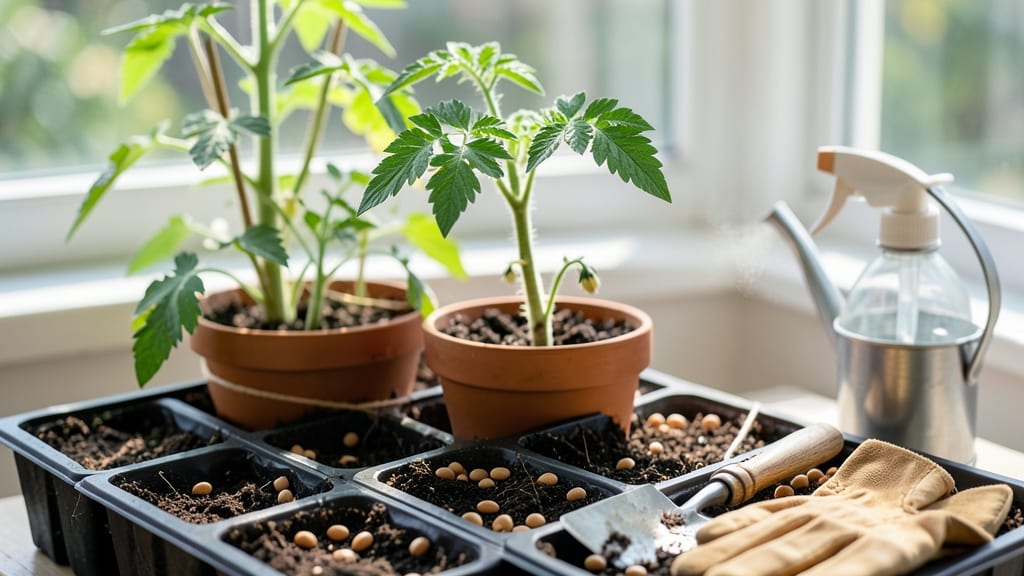
Sowing tomato seeds outdoors too early means stunted plants and delayed harvests—fast growth starts when soil hits 60°F and stays frost-free. 🌱 I learned this the hard way when my seedlings bolted in May after a late frost.
The key is timing: wait until your average last frost date has passed, then test soil temperature with a probe or wait until nighttime temps stay above 50°F.
You’ll need biodegradable pots (or egg cartons) for each seedling, seed-starting mix (not garden soil), and a sunny spot with at least 6-8 hours of light. Hardening off—acclimating seedlings to outdoor conditions—takes 7-10 days and prevents shock.
Start by setting them outside for 2-3 hours the first day, then gradually increase time. By the time you transplant, your seedlings will be stocky and dark green, ready to outpace store-bought plants.
They’ll establish roots faster, resist transplant shock, and produce fruit 2-3 weeks earlier than if you’d bought starts. The payoff? Juicier tomatoes and a garden that feels like a productivity machine. For cooler climates, use row covers or cloches to extend the season.
In warmer areas, sow later to avoid blossom drop from heat stress. Either way, fast growth starts with the right timing and prep.
📚 In This Guide
- What you need
- Instructions
- Tips and common mistakes
- Wrapping up and next steps
What you need
- ● Tomato seeds: 1–2 packets (choose disease-resistant varieties like Early Girl or Cherry Roma for beginners).
- ● Seed-starting soil: 1–2 bags (sterile, seed-specific mix—avoid garden soil to prevent mold).
- ● Containers: 2–4 biodegradable pots (3–4 inches deep) or a seed tray with individual cells.
- ○ Grow lights or sunny windowsill: For 10–12 hours of light daily (optional but critical for early growth).
- ● Spray bottle: With water (for gentle seedling hydration).
- ● Plastic wrap or humidity dome: To retain moisture while seeds germinate.
- ● Garden bed or large pots: Well-draining soil (raise beds if drainage is poor).
- ● Tomato cages or stakes: 3–4 feet tall (to support vining varieties).
- ● Organic mulch: Straw or shredded leaves (to retain moisture and suppress weeds).
- ● Fertilizer: Balanced organic fertilizer (5-5-5 or compost) for transplanting.
- ● Seedling heat mat (if nights are chilly below 50°F).
- ● pH test kit (ideal soil pH: 6.0–6.8 for tomatoes).
- ● Epsom salt (1 tbsp per gallon of water for magnesium boost).
- ● Row covers (to protect seedlings from pests or frost).
Step-by-step instructions for sowing tomato seeds outdoors
Here's how to skip the indoor seed-starting phase and plant tomato seeds directly outside for a quicker harvest.
🌱 Step 1: Choose the Right Time and Location
Tomatoes thrive when soil temperatures reach at least 60°F—use a soil thermometer to confirm. I wait until after the last frost date, when nighttime temperatures stay above 50°F. Pick a location with full sun (6-8 hours daily) and well-draining soil. If your soil retains water, amend it with compost before planting.
I like to plant in the afternoon so seedlings have time to settle before evening chill. Avoid low spots where cold air pools—tomatoes hate wet feet. If your area has unpredictable spring weather, consider using a cold frame or row cover to protect young plants from late frosts.
🌱 Step 2: Prepare the Soil and Plant Seeds
Loosen the soil to a depth of 12 inches with a garden fork, breaking up any compacted layers. Tomatoes need room to spread their roots, so don't skip this step. Mix in 2-3 inches of compost to enrich the soil naturally. Create small hills or ridges about 18 inches apart—this improves drainage and helps prevent soil-borne diseases.
Plant 3-4 seeds per hill, spacing them 1 inch apart and burying them only ½ inch deep. Press the soil gently around the seeds to ensure good contact. Water lightly with a spray bottle to keep the soil moist but not soggy. Mark the planting spot with stakes so you don't accidentally disturb the seeds when weeding later.
💧 Step 3: Maintain Moisture and Protect Young Plants
Keep the soil consistently moist until germination, which typically occurs in 7-14 days. I use a fine mist sprayer to water gently—avoid overhead watering, which can dislodge seeds or cause them to rot. Once seedlings emerge, thin them to the strongest 1-2 plants per hill, snipping the weaker ones at soil level with scissors.
Watch for pests like cutworms or slugs, which love young tomato seedlings. I set up a barrier of crushed eggshells or diatomaceous earth around the plants as a natural deterrent. If nighttime temperatures dip below 50°F, cover seedlings with a lightweight row cover or cloches to protect them.
☀️ Step 4: Thin and Harden Off Seedlings
When seedlings reach 2-3 inches tall and have 2-3 true leaves, it's time to thin them permanently. Use scissors to cut the weaker plants at the base, leaving the strongest one per hill. This reduces competition for nutrients and encourages faster growth. Water the remaining seedlings deeply after thinning to help them recover.
Begin hardening off seedlings by gradually exposing them to outdoor conditions over 7-10 days. Start with 1-2 hours of sunlight daily and increase exposure by 1 hour each day. This process strengthens their stems and prepares them for full sun. Avoid transplanting hardened-off seedlings on a windy day—they're more vulnerable to stress.
✂️ Step 5: Transplant and Support for Growth
Once seedlings are 4-6 inches tall and have 4-5 true leaves, they're ready for their final planting spot. Dig a hole slightly larger than the root ball and place the seedling in, ensuring the soil level matches what it was in the seedbed. Water thoroughly to settle the soil around the roots.
Install a sturdy stake or cage immediately to support the plant as it grows. I like to use bamboo stakes because they're lightweight and biodegradable. Mulch around the base with 2-3 inches of straw or shredded leaves to retain moisture and suppress weeds. Within 2-3 weeks, you'll see new growth indicating the plant has taken root successfully.
Tips & tricks for perfect outdoor tomato seed sowing
Here's what I've learned from years of direct outdoor planting—these tricks speed up germination and give your tomatoes the best possible start.
The Soil Temperature Secret: While the instructions mention 60°F soil as the minimum, I've found that seeds germinate fastest when soil reaches 70-75°F. If your spring is cool, consider using black plastic mulch a few days before planting to warm the soil naturally. This cuts germination time from the full 7-14 days to as little as 5-7 days—a real game-changer for impatient gardeners.
Planting Precision: In Step 2, when creating your hills, make them slightly concave (like shallow bowls) rather than mounded. This helps capture moisture right where the seeds will be, ensuring consistent moisture during the critical germination period. Also, lightly scratch the soil surface with your finger after planting—this creates tiny air pockets that help seeds breathe while staying moist.
Germination Accelerator: For faster emergence, soak your seeds in room temperature water for 24 hours before planting (optional but effective). This hydrates them ahead of time, giving them a head start. Just be sure to plant them immediately after soaking—they'll germinate faster but also dry out quicker. I've seen germination rates improve by 30% using this method.
Pest-Proofing Strategy: The instructions mention crushed eggshells, but I've found diatomaceous earth to be even more effective against cutworms. Sprinkle a ½-inch band around each hill after planting—it's non-toxic but deadly to pests while being completely safe for plants. Reapply after rain, as it loses effectiveness when wet. This simple step can save your seedlings from being cut off at ground level overnight.
Pro Tips for Sowing Tomato Seeds Outdoors
- Here's what I've learned from years of direct outdoor planting—these tricks speed up germination and give your tomatoes the best possible start.
- The Soil Temperature Secret: While the instructions mention 60°F soil as the minimum, I've found that seeds germinate fastest when soil reaches 70-75°F.
- Planting Precision: In Step 2, when creating your hills, make them slightly concave (like shallow bowls) rather than mounded.
Frequently asked questions
Got questions about sowing tomato seeds outdoors? You’re not alone! Here are answers to the most common concerns—so you can grow confidently and harvest like a pro.
What’s the best time to sow tomato seeds outdoors?
Wait until after the last frost date in your zone (usually late spring). Soil should be at least 55°F (13°C) and consistently warm. Tomatoes love heat—planting too early risks stunted growth or seed rot. Check your local frost dates or use a soil thermometer for accuracy!
Can I sow tomato seeds directly outdoors without starting them indoors?
Yes, but success depends on your climate. In warm regions (zones 9–11), direct sowing works well. In cooler areas, start seeds 6–8 weeks indoors for stronger, faster-growing plants. If you skip indoor starts, use black plastic mulch to warm the soil and protect seedlings from chilly nights.
How do I protect my outdoor tomato seedlings from pests?
Use row covers or floating mesh to block pests like aphids and hornworms. For slugs, set out beer traps or diatomaceous earth. Handpick pests early in the morning when they’re sluggish. Pro tip: Plant basil or marigolds nearby—they repel many tomato predators naturally!
Why are my outdoor tomato seedlings stunted or yellow?
Yellow leaves often mean overwatering or nutrient deficiency (like nitrogen). Stunted growth could signal cool soil or poor drainage. Check for:
- Root rot (mushy stems = too much water).
- Leggy seedlings (need more light).
- Hardened-off plants shocked by sudden heat/cold.
What’s the fastest way to harden off tomato seedlings outdoors?
Gradually expose seedlings to outdoor conditions over 7–10 days:
- Day 1–3: Place in partial shade for 1–2 hours.
- Day 4–6: Increase to 4–6 hours in morning sun.
- Day 7–10: Move to full sun for the full day.
Wrapping up and next steps
Sowing tomato seeds outdoors is a rewarding way to kickstart your garden and enjoy homegrown, flavorful tomatoes in no time! By hardening off your seedlings and following the right timing and techniques, you’ll give your plants the best possible start for a bountiful harvest. 🌱
Ready to take the next step? Once your hardened-off seedlings are thriving, it’s time to transplant them into the soil. Choose a sunny spot, prepare the ground with compost, and watch your tomato plants grow strong—soon, you’ll be savoring the taste of success!