
Planting
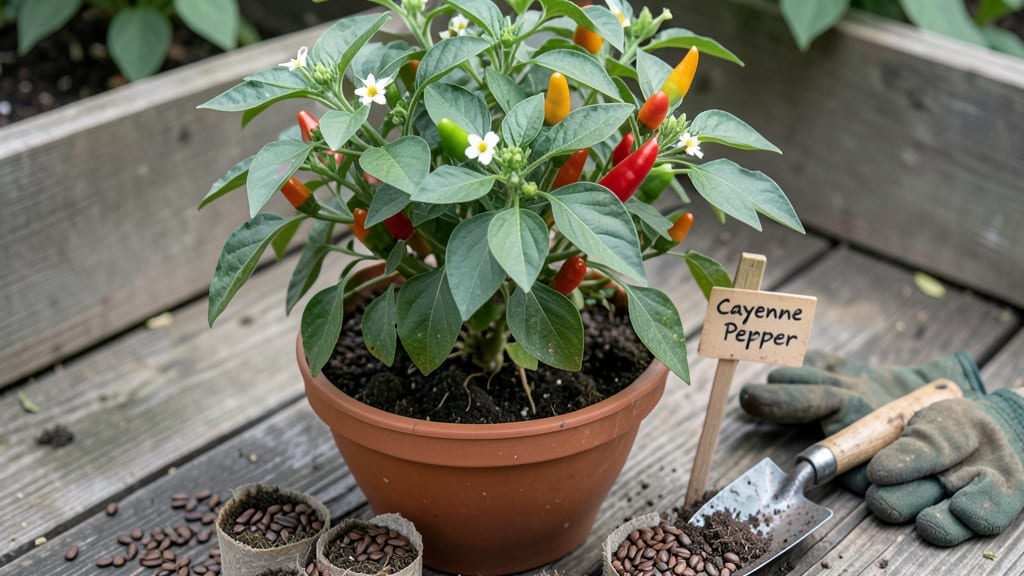
Planting cayenne pepper seeds isn't just about growing a plant—it's about unlocking the boldest flavor in your kitchen. 🌶️ I learned the hard way that these fiery little seeds need warmth, patience, and just the right conditions to transform into the spicy harvest you crave.
The secret starts with soil temperature: cayennes won't germinate until the soil hits 70°F, and even then, they can take 10-21 days to sprout. Most beginners overlook the need for direct sunlight from day one—these peppers aren't shy about their light requirements.
A sunny windowsill or grow light works for starters, but they'll outgrow that fast. Plant seeds ½ inch deep in well-draining soil, spacing them 12-18 inches apart (they need room to stretch). The first real leaves signal success—until then, keep the soil consistently moist but never soggy.
By day 60, you'll be harvesting bright red peppers packed with heat, but only if you've avoided the common pitfalls: damping off (from overwatering) or leggy seedlings (from insufficient light). Cayennes reward precision with prolonged harvests—imagine fresh peppers from late summer through frost.
This method works for containers or garden beds, whether you're in a warm climate or extending the season with row covers. Let's get those seeds sprouting!
📚 In This Guide
- What you need
- Instructions
- Tips and common mistakes
- Wrapping up and next steps
What you need
- ● Cayenne pepper seeds: 5–10 seeds (organic, non-GMO preferred for best results)
- ● Seed-starting containers: 2–4 small pots (3–4 inches deep) or a seed tray with cells (biodegradable pots work too!)
- ● High-quality potting mix: 1 bag (sterilized, well-draining soil blend—avoid garden soil)
- ● Grow lights or sunny windowsill: 6–8 hours of light daily (south-facing window or LED grow lights if indoors)
- ● Spray bottle: For gentle watering (avoid soaking seeds)
- ○ Heat mat (optional but helpful): Germination thrives at 75–85°F—a seedling mat keeps things cozy!
- ● Plastic wrap or humidity dome: To retain moisture while seeds sprout
- ● Fertilizer: Balanced, water-soluble fertilizer (5-10-10 ratio) for transplanting
- ● Calcium supplement: Epsom salt or crushed eggshells to prevent blossom-end rot
- ● Support stakes or cages: For taller cayenne plants (4–5 feet tall!)
- ● Thermometer: To monitor soil/water temps (ideal: 70–90°F)
- ● Pruning shears: For shaping plants as they grow
Step-by-step instructions for planting cayenne pepper seeds
Here's the method I've used to grow heat-loving cayennes that consistently produce 50,000+ Scoville units—no greenhouse required.
🌱 Step 1: Prep Seeds and Starting Mix for Maximum Germination
Soak cayenne seeds in lukewarm water for 12 hours to soften the tough outer coating. This ensures faster germination—you'll see sprouts in 7-14 days instead of waiting weeks. Use a seed-starting mix (never garden soil) in 2-3 inch deep containers with drainage holes.
Fill containers to 1 inch below the rim and moisten until damp but not soggy. Cayennes hate soggy soil—it invites rot before they even sprout. I like to press the mix down lightly with my fingers to create a firm, even surface for planting. This prevents seeds from sinking too deep during watering.
🌱 Step 2: Plant Seeds at Correct Depth and Temperature
Sow 1-2 seeds per cell at ¼ inch depth—any deeper and they'll struggle to reach light. Space containers 12 inches apart if using a seed tray to prevent overcrowding later. Cover lightly with additional mix, then mist gently with water until the surface looks uniformly damp.
Place containers in a warm, dark spot (like a seedling heat mat set to 80-85°F) until germination. Cayennes need warmth to break dormancy—if your home stays below 70°F, germination may take 21 days or longer. Check daily but resist watering again until you see first true leaves—overwatering at this stage is the #1 killer of young peppers.
☀️ Step 3: Move to Bright Light and Harden Off
Once seedlings emerge, move them to bright, indirect light immediately. Cayennes need 12-14 hours of light daily—a south-facing window or grow light 2-4 inches above works best. You'll know they're getting enough light when leaves are dark green and compact (not pale or stretched).
After 2 weeks of growth, start hardening off by placing seedlings outside in partial shade for 1-2 hours daily. Gradually increase time over 7-10 days until they can handle full sun. Cayennes are heat-tolerant but need this adjustment—skipping hardening causes leaves to scorch and stems to weaken.
🪴 Step 4: Transplant to Final Growing Location
Transplant after the last frost when soil reaches 65°F and seedlings have 4-6 true leaves. Space plants 18-24 inches apart in full sun (6+ hours daily). Cayennes thrive in well-draining, slightly acidic soil (pH 5.8-6.8)—amend heavy soil with compost to improve drainage.
Water deeply at the base after transplanting to encourage root growth. Avoid wetting leaves—this prevents fungal diseases like early blight. Mulch with 2-3 inches of straw to retain moisture and regulate soil temperature. You'll see new growth within 7-10 days if conditions are right.
✂️ Step 5: Prune and Support for Maximum Heat Production
Pinch off the first flower cluster when the plant reaches 12 inches tall to encourage bushier growth. Cayennes produce more heat when energy goes into foliage first. Use cages or stakes to support plants as they grow—pepper fruits are heavy and can snap stems without support.
Harvest peppers when they reach 3-4 inches long for peak heat. Regular harvesting (every 2-3 weeks) encourages continuous production. Save seeds from your best peppers by drying them on a screen—this ensures next year's plants carry the same fiery traits.
Tips & tricks for growing cayenne peppers from seeds
Here's what nobody tells you about growing cayenne peppers—the little details that make all the difference between a mediocre harvest and a fiery bounty.
Germination Secret: The 12-hour soak is non-negotiable for cayenne seeds. Their tough outer shells resist moisture, and without this step, germination can take weeks instead of days. I like to use a small glass jar with lukewarm water—just enough to cover the seeds—and place it in a dark cupboard. After 12 hours, drain and rinse the seeds gently before planting. This softening process is what unlocks their potential for that signature 50,000+ Scoville heat.
Lighting Strategy: Cayennes need that 12-14 hours of light daily from the moment they emerge, but here's the trick: start with bright, indirect light first. Direct sun can scorch delicate seedlings. I use a simple LED grow light on a timer set to 12 hours—positioned just 2-4 inches above the seedlings. Watch for leaves that look pale or stretched? That's your cue to move them closer to the light. The goal is compact, dark green leaves that tell you they're thriving, not struggling.
Temperature Management: Those 80-85°F germination temps are critical, but don't panic if your home stays below 70°F. The key is creating a microclimate. Place your seed trays on top of the fridge or near a sunny window during the day, then move them to a warm spot at night. For extra insurance, I've used a simple seedling heat mat under my trays—it's the difference between germination in 7 days versus 21 days. And remember, once they sprout, keep them warm but never hotter than 85°F or you'll stress the little plants.
Transplanting Hack: When it's time to transplant after the last frost, here's my secret weapon: a 5-gallon bucket of potting mix amended with perlite and compost. I mix everything thoroughly to ensure consistent moisture and drainage. The 18-24 inch spacing might seem generous, but trust me—cayennes need room to breathe. Their roots spread wider than you'd expect, and crowded plants produce less heat. I also like to transplant on a cloudy day to reduce stress from direct sunlight.
Pro Tips for Plant Cayenne Pepper Seeds
- Here's what nobody tells you about growing cayenne peppers—the little details that make all the difference between a mediocre harvest and a fiery bounty.
- Germination Secret: The 12-hour soak is non-negotiable for cayenne seeds.
- Lighting Strategy: Cayennes need that 12-14 hours of light daily from the moment they emerge, but here's the trick: start with bright, indirect light first.
Frequently asked questions
Got questions about growing cayenne peppers from seeds?
You’re not alone—here are the answers to common concerns to help you grow a fiery harvest with confidence!
How long does it take for cayenne pepper seeds to germinate?
Cayenne seeds typically sprout in 7–21 days after planting, depending on warmth and moisture. Start seeds indoors 8–10 weeks before your last frost to ensure they’re ready for transplanting. Keep soil consistently moist (not soggy) and maintain temperatures between 75–85°F for faster germination.
When is the best time to plant cayenne pepper seeds outdoors?
Wait until after the last frost and soil temperatures reach at least 60°F (ideally 70°F+). Cayennes thrive in full sun (6–8 hours/day) and warm climates. In cooler regions, start seeds indoors in February–March for a summer harvest. Use black plastic mulch to warm the soil faster if needed!
Can I grow cayenne peppers from store-bought seeds or do I need heirloom?
Yes! You can use store-bought cayenne seeds (check labels for "heirloom" or "open-pollinated" if you want to save seeds). However, hybrid varieties (like many grocery-store seeds) may not produce true-to-type peppers if saved. For guaranteed spice levels, opt for reputable seed companies specializing in hot peppers (e.g., Seed Savers Exchange, Baker Creek).
Why aren’t my cayenne pepper plants growing? Troubleshooting tips.
Common issues and fixes:
Leggy seedlings? Lack of light—move to a sunny windowsill or use grow lights.
Yellow leaves? Overwatering or poor drainage. Let soil dry slightly between waterings.
No flowers/fruit? Needs 12+ hours of sunlight and warmth (70°F+). Fertilize with low-nitrogen (like 5-10-10) when buds form.
Pests (aphids/spider mites)? Spray with neem oil or introduce ladybugs.
If all else fails, check for damping off (fungus)—use sterilized soil and avoid overcrowding.
How spicy will my homegrown cayenne peppers be?
Spice levels vary by variety (e.g., Carolina Reaper = 1.6M Scoville vs. TAM Mild = 30K–50K). For consistent heat, start with named varieties (e.g., Mad Dog, Jalapeño M). Harvest early for milder peppers or let them ripen fully for maximum capsaicin. Always wear gloves when handling—capsaicin causes burns!
Wrapping up and next steps
Growing cayenne peppers from seed is a rewarding journey that brings bold flavor and fiery satisfaction to your kitchen! With the right conditions—sunlight, warmth, and a little patience—you’ll enjoy a spicy harvest in just 60 days.
Don’t let a few challenges deter you; even seasoned gardeners face seedling setbacks, but persistence pays off with a bounty of peppers to share or savor.
Now that you’re armed with knowledge, take the next step: grab those seeds, prep your soil, and start planting! Track your progress, experiment with varieties, and soon you’ll be the proud grower of homegrown cayenne magic. Happy gardening—your taste buds will thank you! 🌱🔥