
Planting
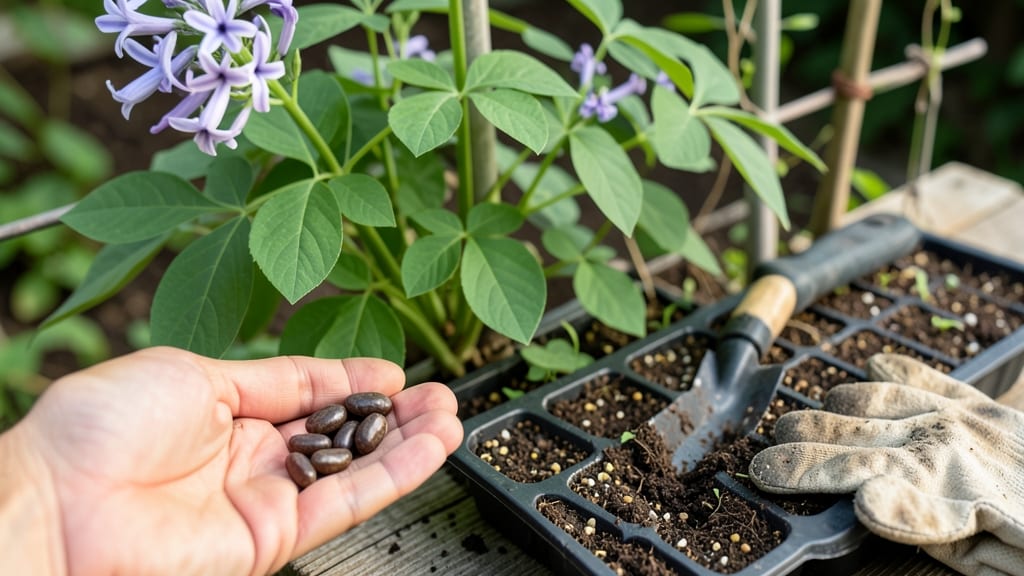
Planting hyacinth bean seeds gives you a fast-growing vertical garden that blooms in just 8-10 weeks—and I’ve learned the exact tricks to skip the common pitfalls. 🌱 The secret isn’t just the seeds; it’s the soil warmth, spacing, and sunlight balance that turns them from tiny specks into lush, fragrant climbers.
These beans thrive in well-draining soil mixed with compost, planted 1 inch deep and 6 inches apart. A sunny spot with at least 6 hours of light is non-negotiable—skimp here, and you’ll end up with leggy, weak vines.
The first sprouts appear in 7-14 days, but consistent moisture (not soggy soil) keeps them from bolting too quickly. Once established, these climbers reward you with vibrant pea-like flowers and edible pods—plus, they fix nitrogen in the soil.
Prune regularly to encourage bushier growth, and watch as they transform fences, trellises, or even balcony railings into living tapestries. Perfect for beginners, small spaces, or anyone craving quick color and texture. Let’s get those seeds in the ground!
📚 In This Guide
- What you need
- Instructions
- Tips and common mistakes
- Wrapping up and next steps
What you need
- ● Hyacinth bean seeds – 5–10 seeds per plant (or more if you’re filling a large vertical space). Choose organic, non-GMO seeds for best results.
- ● Seed-starting mix or well-draining potting soil – 1–2 cubic feet, depending on how many pots or trays you’re using. Look for a mix labeled "seed-starting" or "lightweight potting soil."
- ● Containers or seed trays – 4–6" deep with drainage holes. Options include: Plastic nursery trays (for multiple seeds)
- ● Biodegradable peat pots (for easy transplanting)
- ● Small individual pots (if starting indoors)
- ● Watering can or spray bottle – For gentle, even moisture without disturbing seeds.
- ● Plant labels or markers – To track planting dates and varieties.
- ● Gloves – To keep hands clean while handling soil or seeds.
- ● Trowel or small shovel – For transplanting seedlings into the garden.
- ○ Fertilizer (balanced, 10-10-10 or organic compost) – Optional but helpful for faster growth. Mix 1–2 tablespoons into the soil before planting.
- ● Mulch (straw or shredded leaves) – To retain moisture and suppress weeds once planted outdoors.
- ● Trellis, fence, or vertical garden structure – Hyacinth beans are climbers! A 5–8-foot-tall support works best for full growth.
- ● Grow lights (if starting indoors) – To provide 12–16 hours of light daily until seedlings are hardened off.
Step-by-step instructions for planting hyacinth bean seeds
Here’s how to grow these vibrant vines quickly—no fuss, just fast germination and bold foliage.
🌱 Step 1: Prep Seeds for Faster Germination
Hyacinth beans sprout quickly but need a little prep to break dormancy. Soak seeds in warm water for 12-24 hours—this softens the tough outer shell and speeds up sprouting. I use a small bowl and let them sit until they double in size. Drain and pat dry before planting.
This step is key: dry seeds can take weeks to germinate, while soaked ones pop up in 3-7 days. If you forget, don’t worry—just plant them dry, but expect a longer wait. The real talk? Over-soaking (beyond 24 hours) can rot the seed, so keep an eye on them.
🪴 Step 2: Fill Containers with Well-Draining Soil
Use a lightweight potting mix with added perlite or sand—hyacinth beans hate soggy roots. Fill your containers (4-inch pots work great) to 1 inch below the rim, leaving room for watering. I like to tap the pot gently to settle the soil without compacting it.
Hyacinth beans grow fast, so choose containers with drainage holes. If yours don’t have them, drill a few—waterlogged soil is their #1 enemy. A mix of 50% potting soil and 50% perlite keeps roots happy and prevents rot.
🌿 Step 3: Plant Seeds and Provide Warmth
Drop 2-3 seeds per container at a depth of ½ inch. Press them lightly into the soil—no need to bury deep. Cover with a thin layer of mix and mist gently with water. Place the pots in a warm spot (70-75°F) for germination.
Here’s the thing—these seeds love warmth. A sunny windowsill or seedling heat mat works best. You’ll see tiny sprouts in 3-7 days, but if your home is cooler, germination could take 10-14 days. Don’t overwater now; keep soil lightly moist until sprouts appear.
☀️ Step 4: Move to Bright Light and Support
Once seedlings emerge, move them to bright, indirect light for 1-2 weeks. Direct sun can scorch tender new leaves. After they’ve hardened a bit, introduce them to morning sun gradually. Hyacinth beans climb fast, so provide a trellis, fence, or sturdy stake right away.
Watch for leggy growth—a sign they need more light. If stems stretch too tall before leaves fill out, move them closer to the window. You’ll know they’re thriving when vines reach 6 inches and leaves are deep green. This is the moment they’re ready for outdoor planting.
⏰ Step 5: Transplant After Frost and Stake for Height
Wait until soil is at least 60°F and all frost risk has passed. Plant outdoors in well-draining soil, spacing them 8-12 inches apart. Bury the trellis or stake 6 inches deep and secure the vines as they grow—hyacinth beans can climb 10+ feet!
Water deeply after transplanting to help roots establish. Mulch around the base to retain moisture and keep soil cool. If you’re growing in containers, use pots at least 12 inches deep—these vines need room to stretch. Here’s where it gets fun: watch them twine upward like nature’s ladder.
Tips & tricks for planting hyacinth bean seeds
Fast germination is the name of the game with these vibrant climbers—and these tricks will help you skip the waiting game.
Soaking Strategy: For the fastest results, soak your seeds in warm water for exactly 12-24 hours until they double in size. I use a small bowl with just enough water to cover them completely. After soaking, drain and pat them dry with a paper towel—this prevents mold from forming while keeping the outer shell soft enough to crack open. The key is consistency: don't let them sit in water longer than 24 hours, or you risk rotting the seed before it even sprouts.
Container Selection: Hyacinth beans thrive when their roots have room to breathe, so choose containers with drainage holes—no exceptions. If your pots don't have them, drill a few holes in the bottom yourself. The 4-inch pots mentioned work perfectly for starting seeds, but if you're planning to transplant early, you can use slightly larger containers (up to 6 inches) to give roots more space during the initial growth phase. Just remember: these vines will eventually need 12-inch-deep containers to support their vertical growth.
Light Management: The transition from seedling to established plant hinges on proper light exposure. After your sprouts emerge, move them to bright, indirect light for the first 1-2 weeks—this prevents scorching while they develop. I place mine under a grow light on a timer for 12 hours a day during this critical phase. Once they reach 6 inches, you can gradually introduce them to morning sun, but avoid harsh afternoon rays until they've hardened off completely. Leggy seedlings? That's your cue to move them closer to the light source immediately.
Transplanting Timing: Wait until soil temperatures hit at least 60°F before moving your seedlings outdoors—this ensures roots won't shock from cold ground. I check soil temperature with a simple thermometer buried 2 inches deep in the garden bed. When transplanting, bury the trellis or stake 6 inches deep and secure the vines gently with soft ties. The deeper you bury the support, the more stable it will be as those vines reach their full 10-foot potential. Mulch heavily around the base to retain moisture and keep roots cool during hot days.
Pro Tips for Plant Hyacinth Bean Seeds
- Fast germination is the name of the game with these vibrant climbers—and these tricks will help you skip the waiting game.
- Soaking Strategy: For the fastest results, soak your seeds in warm water for exactly 12-24 hours until they double in size.
- Container Selection: Hyacinth beans thrive when their roots have room to breathe, so choose containers with drainage holes—no exceptions.
Frequently asked questions
Got questions about growing hyacinth beans from seeds? You’re not alone! Here are some of the most common concerns—and their answers—to help you get started with confidence.
When is the best time to plant hyacinth bean seeds?
Hyacinth beans thrive in warm soil, so plant them after the last frost when temperatures stay consistently above 60°F (15°C). In most regions, this means late spring or early summer. If you’re in a mild climate, you can even try fall planting—just avoid frost!
How long does it take for hyacinth bean seeds to germinate?
These fast growers typically sprout in 7–14 days under ideal conditions (warm soil, consistent moisture). If germination takes longer, check for dampness (not soggy soil) and ensure seeds aren’t buried too deep (½ inch max). Patience pays off—once they pop, growth is rapid!
Can I grow hyacinth beans in containers or small spaces?
Hyacinth beans are perfect for containers, trellises, or vertical gardens. Use a pot at least 12 inches deep with drainage holes, and provide a sturdy trellis or stake for their vines. Just ensure they get 6+ hours of sunlight daily—they’re sun-worshippers!
Why aren’t my hyacinth bean seeds sprouting? Troubleshooting tips.
If seeds refuse to sprout, check these common culprits:
- Cold soil: Wait for warmer temps (use a heat mat if needed).
- Overwatering: Keep soil moist but not waterlogged—soggy soil suffocates seeds.
- Old seeds: Hyacinth beans stay viable for 2–3 years; test freshness with a float test (sink = good; float = discard).
- Poor drainage: Amend soil with perlite or sand if compacted.
Still stuck? Try soaking seeds overnight before planting!
Are hyacinth beans toxic to pets or kids?
Yes, all parts of the hyacinth bean plant are toxic if ingested, thanks to lathyrism-causing compounds. Keep plants out of reach of pets and children. Symptoms of poisoning include vomiting, diarrhea, or neurological issues—contact a vet immediately if exposure occurs.
Wrapping up and next steps
Growing hyacinth beans from seeds is a rewarding journey that brings vibrant color and vertical charm to your garden! 🌱 With their fast germination and easy-care nature, these climbers are perfect for beginners and seasoned gardeners alike.
Now that you’re armed with the right tips—from soil prep to trellis setup—it’s time to roll up your sleeves and watch your garden transform.
Ready to see those fragrant blooms and lush foliage take over? Start by planting your seeds this season and enjoy the satisfaction of nurturing a thriving vertical garden. For even more inspiration, explore companion plants or creative trellis designs to elevate your space! 🌸