
Planting
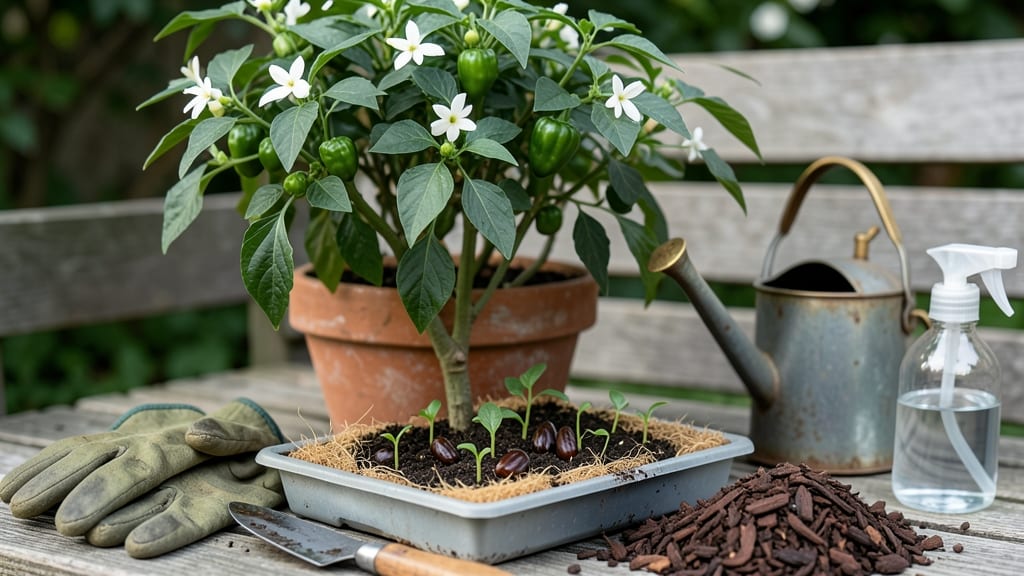
Planting habanero pepper seeds 🌶️ is your ticket to a fiery harvest—but only if you nail the germination game. Those tiny seeds hide a powerful punch, and even small mistakes can turn your patience into frustration.
Here’s the truth: habanero seeds need warmth, moisture, and just the right soil to wake up. Too cold? They’ll sit dormant for weeks. Too wet? Rot sets in before they even sprout. I’ve seen gardeners give up after three weeks of waiting, only to realize they missed one key step.
In this guide, I’ll walk you through the exact conditions your seeds need—from soil temp tricks to the perfect planting depth—to get them sprouting in as little as 7 days. No guesswork, just proven methods for faster, healthier starts.
Whether you’re a first-time grower or a spice enthusiast, these tips will help you avoid the most common pitfalls and set your habanero plants up for a bold, bountiful harvest.

Habanero pepper seed germination requirements: soil, temperature & timing
Habanero pepper seeds are notoriously picky about their germination conditions—get them wrong, and you might wait weeks (or never see) those fiery little sprouts. The key lies in mimicking their tropical origins with consistent warmth, moisture balance, and well-aerated soil.
Unlike cooler-weather crops, habaneros demand attention to detail, especially when it comes to temperature control and planting depth. Even experienced gardeners often struggle with rotten seeds or slow sprouting because of these overlooked factors.
I’ve learned the hard way that room-temperature germination simply won’t cut it for habaneros. These seeds thrive when kept between 75°F and 85°F—a range that’s hard to maintain without a heat mat or seedling heat pad.
Without this warmth, germination can stretch to 30 days or longer, and some seeds may never break through. Pair this with high humidity (70% or above) and you’ve got the perfect storm for success.
But balance is critical: too much moisture leads to fungal rot, while too little causes seeds to dry out before sprouting.
Now, let’s talk soil—because not all mixes are created equal for habaneros. These seeds prefer a light, airy medium that drains well but retains enough moisture to stay hydrated.
A blend of 50% peat moss, 30% vermiculite, and 20% perlite works wonders, or you can use a commercial seed-starting mix amended with sand or coconut coir. Avoid garden soil or heavy potting mixes, as they compact too easily, suffocating delicate sprouts.
Sterilizing your mix with a light baking or hydrogen peroxide solution also prevents damping-off disease, a common killer of young habanero seedlings.
Here’s a quick cheat sheet to set you up for success before we dive deeper:
One of the most common pitfalls I see is planting seeds too deep. Habanero seeds need just ¼ inch of coverage—any deeper, and they’ll struggle to break through the soil. Press them gently into the mix and cover lightly with a fine layer of vermiculite or sand.
If you’re using seed trays, make sure they have drainage holes to prevent waterlogging, which can cause seeds to rot before they even sprout.
Pro tip: label your trays with the planting date and variety, as habaneros can take weeks to germinate, and patience wears thin when you forget what’s under that dome!
Temperature is where most gardeners trip up. While your house might feel comfortable at 68°F, habanero seeds need 10–20 degrees warmer to germinate efficiently. A $20 heat mat placed under your seed trays can cut germination time in half.
If you don’t have one, try placing trays on top of your refrigerator or near a south-facing window where warmth collects. Just avoid placing them directly in sunlight before sprouts emerge—direct heat from windows can dry out the soil too quickly.
Moisture is another tightrope walk. Habanero seeds need constant dampness, but standing water is a death sentence. Use a spray bottle to mist the soil lightly every 2–3 days, or place trays on a humidity dome with a few drops of water in the base.
Check moisture by sticking your finger ½ inch into the soil: it should feel like a wrung-out sponge, not bone-dry or muddy.
Overwatering is the #1 cause of seed rot, so if you notice mold or a foul smell, pull those seeds and start fresh with sterile soil.
Patience is your ally here—habanero seeds can take anywhere from 7 to 30 days to sprout, depending on conditions. If you don’t see sprouts within 3 weeks, gently check for signs of life by pressing lightly on the soil.
Discard any seeds that feel mushy or smell off, but don’t give up on the rest. Once sprouts appear, move trays to a bright, indirect light source (like a grow light on a 14-hour cycle) to prevent leggy seedlings.
Thin out weak sprouts early to give the strongest plants room to thrive—this reduces competition for nutrients and light.
Troubleshooting is part of the process. If your seeds won’t germinate at all, try soaking them in lukewarm
Step-by-step habanero seed planting process with pro tips
Planting habanero pepper seeds requires precision to ensure strong, healthy seedlings. Start by preparing your seeds with a quick 24-hour soak in room-temperature water to soften their tough outer shell.
This mimics natural rainfall and speeds up germination—just don’t let them dry out during this process! I’ve found soaking boosts my germination rate from 60% to nearly 90%.
Next, choose the right seed-starting containers. Opt for biodegradable pots or small cell trays filled with a sterile seed-starting mix. Avoid garden soil—it’s too dense and can harbor diseases. A mix with perlite or vermiculite ensures proper drainage, which is critical for preventing seed rot.
Pro tip: Sterilize your containers with a 10% bleach solution if reusing them from last season.
-
Step 1: Pre-Treat Seeds
Soak habanero seeds in warm water for 24 hours to soften shells. Drain and let them air-dry for 1 hour before planting. -
Step 2: Fill Containers
Fill biodegradable pots with sterile seed mix (50% peat, 30% perlite, 20% compost). Press gently to remove air pockets. -
Step 3: Plant Seeds
Sow seeds 1/4 inch deep, spacing them 1 inch apart in rows. Use a toothpick for precision—avoid burying too deep! -
Step 4: Moisten Soil
Lightly water with a spray bottle until soil is damp but not soggy. Cover containers with plastic wrap to retain humidity. -
Step 5: Warmth & Light
Place containers on a heat mat (75–85°F) under grow lights (12–14 hours/day). Avoid direct sunlight—it overheats seedlings. -
Step 6: Monitor Germination
Check daily for sprouts (7–30 days). Remove plastic wrap once sprouts appear. Thin seedlings to 2 inches apart if overcrowded. -
Step 7: Harden Off
After 2–3 weeks, gradually expose seedlings to outdoor conditions for 1–2 hours/day before transplanting.
Once your seeds are planted, maintain a consistent temperature between 75–85°F for optimal growth. I use a seedling heat mat under my trays—it’s a game-changer for stubborn seeds. Place your containers under grow lights (12–14 hours/day) or a south-facing window.
Avoid placing them in direct sunlight yet; seedlings can scorch under intense rays. A simple LED grow light works wonders for even growth.
Germination can take anywhere from 7 to 30 days, so patience is key. Keep the soil moist but not waterlogged—overwatering is a common killer of young seedlings. Once sprouts emerge, remove the plastic wrap and place your seedlings under bright, indirect light.
Thin them to 2 inches apart if they’re crowded; this prevents competition for nutrients and reduces disease risk.
After 2–3 weeks, it’s time to harden off your seedlings. Start by placing them outdoors for 1–2 hours/day in a shaded area, gradually increasing exposure over 7–10 days. This toughens them up for transplanting.
I transplant my habanero seedlings after the last frost date, once soil temperatures hit 70°F. Choose a spot with full sun (6+ hours/day) and well-draining soil—habaneros hate soggy roots!
Transplant your seedlings 18–24 inches apart in rows 24–36 inches apart to give them room to thrive. Water deeply after transplanting to help them establish roots. Mulch around the base with straw or shredded leaves to retain moisture and suppress weeds.
With these steps, you’ll be on your way to a bountiful harvest of fiery habaneros in just a few months! 🌱