
Planting
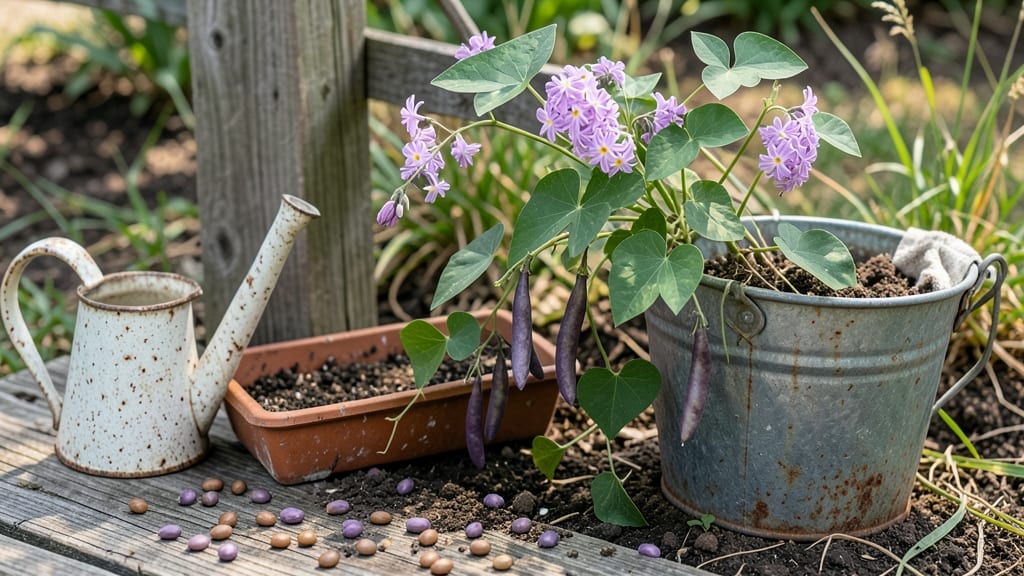
Planting hyacinth beans is one of those gardening wins that feels like cheating—fast germination, vibrant foliage, and a vine that climbs like a dream. 🌱 I’ve watched them sprout within days of planting, their glossy leaves unfurling into bold, deep-green drama that outshines most annuals.
The secret lies in timing, soil prep, and a little patience for the first flush of growth.
You’ll need well-draining soil (they hate soggy roots), a sunny spot with at least 6 hours of light, and a sturdy trellis or fence for their 10-15 foot vines.
Plant seeds 1 inch deep, spaced 4-6 inches apart, after the last frost when soil warms to 60°F. Water lightly at first—overwatering delays germination—and expect those first leaves to appear in 7-10 days.
The payoff? Lush foliage that turns heads, edible (but bitter) beans for adventurous cooks, and a vine that thrives even in small spaces. By midsummer, you’ll have a vertical green wall that blooms with fragrant purple flowers—if you’re lucky enough to spot them before the slugs do.
(Yes, that’s a real battle.)
Pro tip: If germination stalls after two weeks, soak seeds overnight in warm water to kickstart sprouting. And save some seeds—they self-sow like crazy, giving you free plants next year. Now go plant those vines before the squirrels get to them!
📚 In This Guide
- What you need
- Instructions
- Tips and common mistakes
- Wrapping up and next steps
What you need
- ● Hyacinth bean seeds: 10–20 seeds (organic, non-GMO preferred; choose heirloom varieties like ‘Telefon White’ or ‘Purple Hyacinth’ for vibrant blooms).
- ● Well-draining potting mix or garden soil: 5–10 gallons (amend with compost if your soil is clay-heavy).
- ● Container or garden bed: Containers: 5–15 gallon pots (with drainage holes) for patio growing.
- ● Garden beds: Full sun (6+ hours/day) with loose, fertile soil (pH 6.0–7.5).
- ● Watering can or hose: With a gentle spray nozzle for moistening soil.
- ○ Fertilizer (optional but helpful): Balanced 10-10-10 or compost tea to boost growth.
- ● Garden trowel or small shovel: For digging holes (2–3 inches deep).
- ● Measuring tape or ruler: To space seeds 4–6 inches apart (or 12–18 inches for trellised vines).
- ○ Trellis, fence, or stakes: 6–8 feet tall (optional but highly recommended for vertical growth!).
- ● Mulch (straw or shredded leaves): 1–2 inches thick to retain moisture.
- ● Pruning shears: For trimming leggy vines later in the season.
- ● 🌡️ Warmth: Hyacinth beans thrive in USDA Zones 4–11 and need soil temps above 60°F (15°C) to germinate.
- ● 💧 Watering routine: Keep soil consistently moist (not soggy) until seeds sprout (5–10 days).
- ● 🌿 Sunlight: Full sun is ideal, but they tolerate partial shade in hot climates.
Step-by-Step instructions for planting hyacinth beans
Here's how to grow these showstopping vines—fast germination and all.
🌱 Step 1: Choose the Perfect Planting Location
Hyacinth beans thrive in full sun to partial shade, making them perfect for sunny borders or trellises. Pick a spot with at least 6 hours of direct sunlight daily—they'll reward you with faster growth and more dramatic foliage. If your climate runs hot, afternoon shade prevents leaf scorch, especially in 90°F+ temperatures.
Test your soil's drainage by digging a 6-inch deep hole and filling it with water. If it drains in under an hour, you're good. If water pools after 2 hours, amend with 2-3 inches of compost to improve airflow. These vines hate soggy roots—always plant on a slight mound or raised bed if your soil stays damp.
🌱 Step 2: Prep Seeds and Soil for Fast Germination
Soak hyacinth bean seeds overnight in lukewarm water to soften the tough outer shell—this cuts germination time from 2-3 weeks to just 5-7 days. I like to use a mesh bag so I don't lose them. After soaking, plant seeds 1 inch deep in loose, well-draining soil. Press gently but don't compact—you want roots to push through easily.
Space seeds 4-6 inches apart in rows 18 inches apart if growing in the ground, or 3-4 inches apart in containers. The reason for spacing? These vines spread aggressively, and crowding leads to weak stems and fewer flowers. If you're using a trellis, plant closer together—3 inches apart—so the vines can intertwine for maximum vertical impact.
💧 Step 3: Water and Maintain Moisture Without Overdoing It
Water deeply right after planting to settle the soil around seeds, then keep the area consistently moist but never soggy. Hyacinth beans are drought-tolerant once established, but young seedlings need steady moisture to prevent wilting. You'll know you're doing it right when the soil feels like a damp sponge—1 inch deep should stay moist to the touch.
Here's the thing—I often see gardeners drown these plants by watering too frequently. After the first week, let the top 2 inches of soil dry out between waterings. You'll see leggy growth if they're thirsty, but yellowing leaves mean you're overwatering. Mulch with 2 inches of straw or wood chips to lock in moisture and keep roots cool during hot spells.
☀️ Step 4: Support Vines and Encourage Vertical Growth
Install a trellis, fence, or sturdy stakes before vines start climbing—hyacinth beans are aggressive and will topple weak supports. I use 6-foot tall bamboo stakes or a wire trellis for dramatic height. Train the main stems early by gently weaving them through the support as they grow. This prevents tangled messes later and keeps foliage airy for better airflow.
Watch for the first true leaves—round, deep green leaves about 2 inches wide—that's your cue to fertilize lightly. Use a balanced 10-10-10 fertilizer at half strength to avoid burning tender roots. Too much nitrogen makes them grow leaves at the expense of those stunning flower spikes. Once vines reach 3 feet tall, you can switch to a low-phosphorus fertilizer to encourage blooms.
✂️ Step 5: Prune and Deadhead for Longer Blooms
Pinch back the tips of young vines when they reach 12 inches tall to encourage bushier growth. This isn't just about aesthetics—it strengthens stems and leads to more flower clusters. Use clean, sharp pruners and make cuts just above a leaf node. Avoid cutting into woody stems, as hyacinth beans are tender and won't regrow from old wood.
Deadhead spent flowers regularly to prolong blooming. Snip the entire flower spike back to the nearest leaf or bud, not just the faded blooms. This redirects the plant's energy into producing new flowers instead of seed pods. I also remove any yellowing or diseased leaves immediately—hyacinth beans are prone to powdery mildew in humid climates, so good airflow is key.
Tips & tricks for perfect hyacinth bean planting
Fast germination and dramatic growth start with these pro techniques—trust me, your vines will thank you.
Soaking Strategy: The overnight soak in lukewarm water isn't just about speed—it's about breaking dormancy. I've found that adding 1 teaspoon of honey to the soaking water (optional) can boost germination rates even further by providing natural sugars. This works especially well in cooler climates where seeds might resist sprouting.
Drainage Test Hack: When testing your soil's drainage in Step 1, don't just watch the water—feel the texture. Sandy soil drains too quickly (water disappears in under 30 minutes), while clay holds water too long (still damp after 2 hours). The ideal "damp sponge" consistency should drain completely in 1-1.5 hours. If you're unsure, mix in 1 part perlite to 3 parts soil to create perfect airflow for roots.
Watering Rhythm: After the initial deep watering, maintain that 1-inch moist soil depth by checking with your finger daily. The 2-inch dry top layer rule after Week 1 is critical—this prevents both underwatering (leggy growth) and overwatering (root rot). I use a moisture meter in my garden to track this precisely, especially during summer when evaporation speeds up dramatically.
Support System: For trellises in Step 4, choose materials that won't rust or degrade quickly. I've had success with powder-coated metal trellises or cedar wood frames—both last multiple seasons. The key is installing supports before vines get established; once they're climbing, moving them risks breaking tender stems. Think of it like training a toddler to climb—you need the structure in place first!
Pro Tips for Plant Hyacinth Beans
- Fast germination and dramatic growth start with these pro techniques—trust me, your vines will thank you.
- Soaking Strategy: The overnight soak in lukewarm water isn't just about speed—it's about breaking dormancy.
- Drainage Test Hack: When testing your soil's drainage in Step 1, don't just watch the water—feel the texture.
Frequently asked questions
Got questions about growing hyacinth beans?
You’re not alone! Here are answers to the most common concerns—from timing to troubleshooting—so you can grow these fast-growing vines with confidence.
When is the best time to plant hyacinth beans?
Hyacinth beans thrive in warm soil (at least 60°F/15°C) and are best planted after the last frost in spring. In warmer climates, you can also sow them in early summer for a fall harvest. Avoid planting too early—they hate cold soil and may rot.
How long does it take for hyacinth beans to germinate?
These beans are fast germinators! With consistent moisture and warm soil, you’ll see sprouts in just 7–14 days. Keep seeds moist (but not soggy) and in a sunny spot to speed up the process. Pro tip: Soak seeds overnight before planting for even faster results!
Why aren’t my hyacinth bean seeds sprouting?
If your seeds aren’t germinating, check these common culprits:
- Too cold: Soil below 60°F (15°C) slows or stops germination.
- Dry soil: Keep seeds consistently moist (not waterlogged).
- Old seeds: Store-bought seeds are usually fine, but if they’re >1 year old, try fresh ones.
- Depth issues: Plant seeds 1 inch deep—too shallow = drying out; too deep = struggling to break through.
Can I grow hyacinth beans in containers?
These vines do well in containers 12+ inches deep with drainage holes. Use a lightweight potting mix and a trellis or stakes for support. Just ensure the pot gets 6+ hours of sun daily—they’re sun-worshippers!
Are hyacinth beans toxic to pets or kids?
Yes, all parts of the plant are toxic if ingested, thanks to lablabine and other compounds. Symptoms in pets/kids may include drooling, vomiting, or lethargy. Keep them out of reach if you have curious critters. Note: The beans themselves are edible when cooked, but the plant’s foliage and pods are not safe.
What can I plant with hyacinth beans for a companion garden?
Hyacinth beans play nicely with:
- Corn (they climb the stalks naturally!)
- Squash (the vines act as a living mulch).
- Peppers or tomatoes (they deter pests like aphids).
Avoid planting near legumes (like peas) or potatoes, as they compete for nutrients.
Wrapping up and next steps
Planting hyacinth beans is a rewarding way to add vibrant color and texture to your garden with minimal effort—thanks to their fast germination and striking foliage! 🌿 Whether you’re a beginner or a seasoned gardener, these easy-care vines thrive with just a little sunlight, well-draining soil, and patience.
Now that you’re equipped with the how-to and answers to common questions, it’s time to roll up your sleeves and watch your garden transform.
Your next step? Pick a sunny spot, grab those seeds, and start planting! Before you know it, you’ll be enjoying lush, fragrant vines that bring life to any space. Happy gardening! 🌱