
Planting
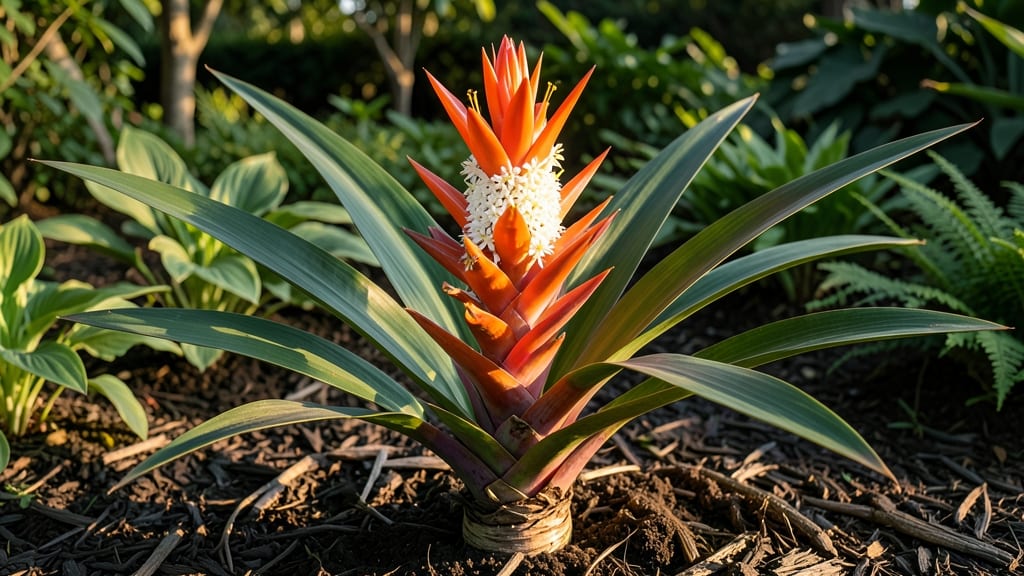
Your orange torch ginger plant care could be the boldest statement in your garden—with almost no pruning needed. 🌿 I’ve grown these fiery plants for years, and their striking foliage thrives when you match their tropical roots to simple care. The secret?
Mimicking their humid, shaded jungle origins with just a few adjustments. This plant loves bright, indirect light—think dappled shade under tall trees—while its soil stays consistently moist but never soggy.
A well-draining potting mix with perlite or orchid bark keeps roots happy, and occasional misting (or a pebble tray) prevents crispy edges. The drama comes naturally: those orange-tipped leaves grow up to 3 feet long, and the occasional flower spike adds height and texture.
Once established, your torch ginger will reward you with minimal fuss—just remove dead leaves and trim leggy growth in spring. Yellowing leaves? Usually a sign of overwatering or poor drainage. Pest issues are rare, but watch for spider mites if your home gets too dry.
With the right setup, this plant will outshine your garden for years. Perfect for container growing or as a dramatic houseplant—just keep it warm (above 60°F) and protected from harsh sun. Let’s get yours thriving!
📚 In This Guide
- What you need
- Instructions
- Tips and common mistakes
- Wrapping up and next steps
What you need
- ● Orange Torch Ginger Plant: 1 mature rhizome, 1 young plant, or seeds (if propagating from scratch). Pro tip: Rhizomes are the easiest way to establish a thriving plant!
- ● Well-draining potting mix: 5-10 gallons (for containers) or amend garden soil with 30% perlite or coarse sand to prevent root rot.
- ○ Container (optional but recommended for indoor care): 1 large ceramic or fabric pot (12-18 inches in diameter) with drainage holes.
- ● Why? Fabric pots improve airflow and reduce overwatering.
- ● Slow-release fertilizer: 1 cup of balanced 10-10-10 or organic compost (like worm castings) mixed into the soil.
- ● Garden trowel or shovel: For transplanting rhizomes or digging holes.
- ● Pruning shears: Sharp, sterilized shears for trimming dead foliage or shaping the plant.
- ● Watering can or hose with a gentle spray nozzle: Avoid blasting water directly at the plant to prevent soil erosion.
- ○ Mulch (optional but helpful): 2-3 inches of organic mulch (like bark chips or straw) to retain moisture and regulate temperature.
- ○ Support stake (optional for outdoor plants): 1-2 bamboo stakes or a small trellis if your plant grows taller than 6 feet.
- ● Sunlight: A spot with full sun to partial shade (6+ hours of direct light daily for optimal growth).
- ● Temperature: Ideal range of 65–85°F (18–29°C). Protect from frost (below 50°F/10°C can damage the plant).
- ● Humidity: Thrives in 60%+ humidity. Use a humidifier or place the pot on a tray of pebbles with water for indoor care.
- ● Patience: Orange torch ginger grows slowly but steadily—expect vibrant blooms in 1-2 years!
Step-by-Step instructions for orange torch ginger plant care
Here's how to keep your bold orange torch ginger thriving with minimal fuss—just a few key moves for maximum drama.
🪴 Step 1: Choose the Perfect Spot for Sun and Shelter
Orange torch ginger loves bright, indirect light—think morning sun with afternoon shade. A south-facing window or a patio with dappled sunlight works perfectly. Too much direct afternoon sun can scorch those stunning leaves, so I always place mine near a sheer curtain or under a large tree.
This plant also thrives in humidity, so if your home feels dry, place it near other houseplants or on a pebble tray with water. You'll notice the leaves staying vibrant and upright when conditions are just right. Avoid drafty spots—cold winds stress the plant and cause leaf drop.
☀️ Step 2: Water When Soil Feels Dry to the Touch
Water your orange torch ginger when the top 2-3 inches of soil feel dry. Stick your finger in the soil—if it's damp, wait another day or two. This plant prefers slightly moist but never soggy soil. I water deeply until water runs out the drainage hole, then let excess drain away completely.
Yellowing leaves usually mean overwatering, while crispy edges signal underwatering. Adjust your watering schedule based on the season—you'll water less in winter when growth slows. A well-draining potting mix helps prevent root rot, so I always use a blend designed for tropical plants.
🌱 Step 3: Feed Lightly During Growing Season
Use a balanced, water-soluble fertilizer (like 10-10-10) diluted to half strength every 4-6 weeks during spring and summer. I skip fertilizing in fall and winter when the plant rests. Overfeeding can burn the roots, so always follow the package instructions carefully.
You'll see new growth and brighter foliage as a response to feeding. If the leaves look pale or slow to grow, that's your cue to fertilize. But don't worry—this plant isn't a heavy feeder, so you won't need to fertilize often.
✂️ Step 4: Prune Only When Necessary
Orange torch ginger is one of the most low-maintenance plants when it comes to pruning. Simply remove any yellow or damaged leaves with clean, sharp scissors. I also trim back any leggy growth to encourage bushier, fuller foliage.
If you notice long, bare stems, you can cut them back to just above a leaf node. The plant will often regrow from there. Never prune more than one-third of the plant at a time, as this can stress it. With minimal pruning, you'll maintain that bold, dramatic look for years.
🪴 Step 5: Repot Every 2-3 Years for Fresh Growth
When roots start circling the pot or growth slows, it's time to repot. Choose a container that's only 1-2 inches larger in diameter than the current one—this plant prefers being slightly root-bound. I always repot in early spring when new growth begins.
Use fresh potting mix and gently loosen any tangled roots before placing the plant in its new home. After repotting, water lightly and place the plant in bright, indirect light to help it recover. You'll see fresh, vigorous growth within a few weeks.
Tips & tricks for perfect orange torch ginger plant care
Here's what nobody tells you about keeping this tropical stunner looking its best—without the fuss.
Lighting Secrets: In Step 1, if you notice the leaves developing brown patches despite your best efforts, you're likely dealing with too much direct sun. Rotate your plant every few weeks so all sides get even light exposure. This prevents the plant from leaning toward the light and keeps those vibrant orange hues consistent.
Watering Wisdom: The "top 2-3 inches dry" rule in Step 2 is your golden standard, but here's the trick: use your finger to check soil moisture at the same time each day. Morning is best—this helps you establish a routine and prevents the afternoon watering mistake that leads to soggy soil. If your tap water is hard, let it sit out overnight before using to reduce mineral buildup that can harm roots.
Fertilizer Timing: When you're ready to fertilize every 4-6 weeks in Step 3, here's a pro move: mix your diluted fertilizer with a splash of rainwater or distilled water instead of tap water. The minerals in tap water can irritate the roots, especially when combined with fertilizer. You'll notice the leaves staying perkier and growing faster with this simple swap.
Pruning Precision: In Step 4, when you're trimming those leggy stems, make your cuts just above a leaf node at a 45-degree angle. This angle helps water run off the cut instead of pooling, which prevents rot. And here's a bonus: save those cuttings! Place them in water with a rooting hormone, and you'll have new plants in just a few weeks.
Pro Tips for Orange Torch Ginger Plant Care
- Here's what nobody tells you about keeping this tropical stunner looking its best—without the fuss.
- Lighting Secrets: In Step 1, if you notice the leaves developing brown patches despite your best efforts, you're likely dealing with too much direct sun.
- Watering Wisdom: The "top 2-3 inches dry" rule in Step 2 is your golden standard, but here's the trick: use your finger to check soil moisture at the same time each day.
Frequently asked questions
Got questions about keeping your orange torch ginger (Etlingera elatior) thriving? You’re not alone! Here are some of the most common concerns—and their solutions—to help you grow this showstopper with confidence.
How often should I water my orange torch ginger?
Water your orange torch ginger deeply but infrequently—about once a week (or when the top 2 inches of soil feel dry). This tropical beauty hates soggy roots, so ensure pots have drainage holes. In hotter months, you may need to water slightly more often. Pro tip: Let the soil dry out between waterings to prevent fungal issues.
Can orange torch ginger survive winter?
If you’re in USDA Zones 10-11 (or warmer), your plant can stay outdoors year-round. In cooler climates, bring it indoors before temperatures drop below 50°F (10°C). Place it near a bright window or under grow lights. If frost hits, it’s a no-go—this tropical diva won’t bounce back!
Do I need to prune my orange torch ginger?
Pruning is minimal but rewarding! Trim dead or yellowing leaves at the base with clean, sharp shears. After flowering, you can cut back the spent stems to encourage new growth. Avoid over-pruning—this plant thrives on its bold, architectural shape. Bonus: Pruned leaves make great compost!
Why aren’t my orange torch ginger leaves turning bright orange?
Bright orange foliage is triggered by bright, indirect light and cooler temps (like fall/winter). If your leaves are dull green, move it to a sunnier spot (but avoid harsh afternoon sun). Fertilize lightly with a balanced, tropical plant food in spring/summer to boost vibrancy. Patience pays off—some plants take a season to reach peak color!
What’s a good alternative if I can’t find orange torch ginger?
If your local nursery is out of stock, try these dramatic, low-maintenance alternatives:
- Red Ginger (Alpinia purpurata) – Bold red bracts and easy care!
- Bird of Paradise (Strelitzia reginae) – Striking foliage and exotic blooms.
- Dwarf Banana (Musa basjoo) – Compact and equally tropical.
Wrapping up and next steps
Caring for your orange torch ginger (Etlingera elatior) is all about embracing its bold, tropical spirit with just the right balance of sun, water, and space! With minimal pruning needs and stunning foliage, this plant rewards you with vibrant drama—and it’s easier than you think. 🌿✨
Ready to watch your garden burst with fiery color? Start by planting your torch ginger in a sunny spot, keeping the soil moist but well-draining, and give it room to grow. Before you know it, you’ll have a showstopper that turns heads—and requires almost no fuss!
Now, go ahead and plant that confidence—your orange torch ginger is waiting for its spotlight! 🌺🔥