
Planting
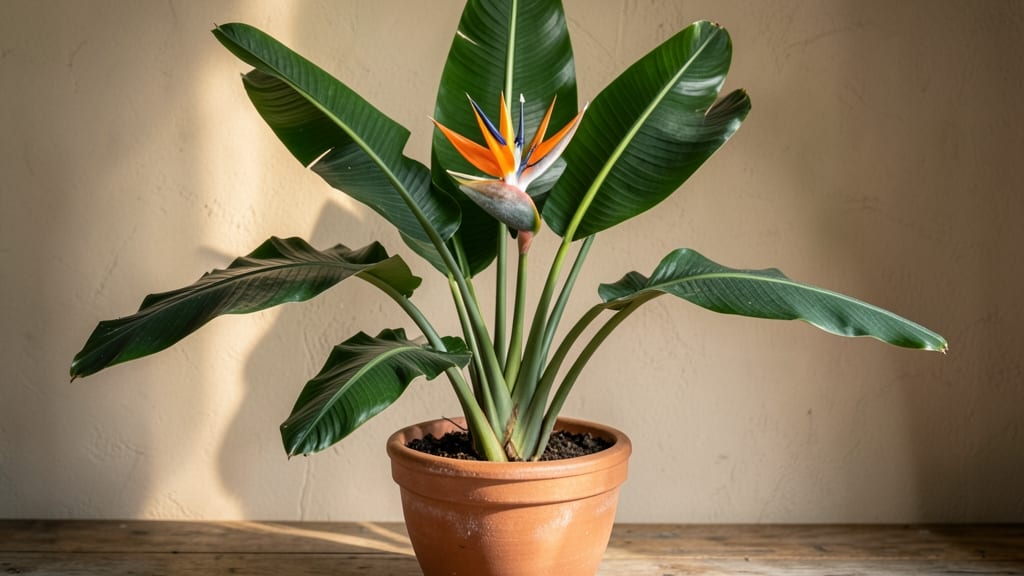
Growing the king bird of paradise plant transforms any garden into a lush tropical paradise. 🌿 This showstopper thrives in warm climates and delivers bold, banana-shaped blooms that last for months—no greenhouse needed.
My first plant surprised me with its resilience, even in partial shade, though full sun brings out its best colors and most dramatic flowers.
The secret to success lies in mimicking its natural habitat: well-draining soil, consistent moisture, and protection from frost. You’ll need a pot with drainage holes if growing in containers, and a spot where it can reach 6-8 feet tall—think backdrops for patios or statement plants near entryways.
The foliage alone is striking, but those vibrant orange and blue blooms? Pure magic when they arrive in late spring or summer.
Once established, this plant is nearly foolproof. Water deeply when the top inch of soil feels dry, and fertilize lightly during growing season to encourage those showy blooms. Prune only to remove dead leaves or spent flowers—never cut back more than a third of the plant at once.
With proper care, you’ll enjoy its tropical drama for years, making it one of the most rewarding plants for both beginners and seasoned gardeners.
If you live in colder zones, bring it indoors near a bright window during winter—just keep it away from drafts. The trade-off? You’ll miss the full-size impact, but the plant’s forgiving nature makes it worth the effort.
Trust me: once you grow one, you’ll want to add more to your collection.
📚 In This Guide
- What you need
- Instructions
- Tips and common mistakes
- Wrapping up and next steps
What you need
- ● King Bird of Paradise Seeds or Nursery Plant: 1-3 healthy seeds (if starting from scratch) or
- ● 1 mature plant (3-5 feet tall, 2-3 years old) from a nursery or garden center.
- ● Well-Draining Potting Mix: 5-10 gallons, depending on pot size (use a blend of cactus/succulent mix + perlite for containers).
- ● Garden soil (if planting outdoors; amend with compost for fertility).
- ○ Container (Optional but Recommended for Indoor/Garden Beds): 1 large pot (18-24 inches in diameter) with drainage holes or
- ● Direct garden bed (full sun, 6+ hours/day, in USDA Zones 9-11).
- ● Basic Gardening Tools: Trowel or small shovel
- ○ Gloves (optional but helpful for handling thorns!)
- ● Pruning shears (for shaping or deadheading)
- ● Fertilizer: Balanced 10-10-10 fertilizer or slow-release granules (apply every 2-3 months).
- ● Mulch: 2-3 inches of organic mulch (e.g., wood chips) to retain moisture.
- ● Watering Can or Hose: With a gentle spray nozzle for even watering.
- ● Epsom salt (for magnesium boost, 1 tbsp/month in water).
- ● Support stakes (if growing in windy areas).
- ● Humidity tray (for indoor plants in dry climates).
- ● Plant labels (to track care notes!).
How to grow and care for a King Bird of paradise plant
This bold tropical stunner thrives with the right balance of light, water, and patience.
🌱 Step 1: Choose the Right Spot for Maximum Sunlight
The king bird of paradise demands bright, indirect light—think filtered sunlight through sheer curtains or a shaded patio. Direct afternoon sun will scorch those dramatic leaves, while too little light causes them to lose their vibrant color. I always place mine near an east-facing window where morning light gently warms the foliage without intensity.
Watch for the leaves: if they start developing brown patches or crispy edges, you're getting too much direct sun. If they turn pale or stretch toward the light, it's time to move the plant closer to a brighter window or supplement with a grow light for 12-14 hours daily. The ideal spot gives you those signature deep green leaves with the striking yellow undersides.
💧 Step 2: Master the Watering Routine for Healthy Growth
This plant loves moisture but hates soggy roots. Water thoroughly when the top 2-3 inches of soil feel dry—stick your finger in the soil to check. I water mine every 7-10 days in summer, but reduce to every 2-3 weeks in winter when growth slows. The key is letting the soil dry slightly between waterings to prevent root rot.
Water only when needed—overwatering is the fastest way to kill this tropical beauty. You'll know you've got it right when the soil stays consistently moist but never waterlogged. Yellowing leaves often mean you're watering too much, while crispy edges signal underwatering. A well-drained pot with drainage holes is non-negotiable for this plant.
☀️ Step 3: Feed Regularly for Vibrant Foliage
Use a balanced, water-soluble fertilizer (10-10-10 or 20-20-20) diluted to half-strength every 4-6 weeks during spring and summer. I fertilize mine in March, then again in May, July, and September—just as new growth begins. This feeding schedule keeps the leaves lush and the plant putting on new growth.
Stop fertilizing in fall and winter when the plant enters its dormant phase. You'll notice slower growth and smaller new leaves during these months, but that's normal. Always water the plant thoroughly before applying fertilizer to prevent root burn. If you see brown leaf tips after fertilizing, you've applied too much—flush the soil with water immediately.
✂️ Step 4: Prune to Encourage Bushier Growth
Prune in early spring to shape the plant and encourage new growth. Use clean, sharp pruners to trim back any leggy stems or overgrown branches. I cut back about one-third of the plant's height to maintain its compact shape. This also stimulates the growth of new shoots from the base, giving you that full, bushy look.
Remove any dead or yellowing leaves as you see them—this keeps the plant looking tidy and prevents disease. Never prune more than one-third of the plant at a time, or you'll shock it into dormancy. After pruning, give the plant a light feeding to help it recover and promote new growth. You'll see fresh new leaves emerging within a few weeks.
🪴 Step 5: Repot When Roots Outgrow the Container
Repot every 2-3 years or when you see roots circling the bottom of the pot. Choose a container that's only 2-3 inches larger in diameter than the current one—king bird of paradise prefers being slightly root-bound. I use a pot with drainage holes and fresh, well-draining potting mix.
Gently remove the plant from its current pot and loosen any tightly packed roots with your fingers. Place it in the new container and fill around the roots with fresh potting mix, pressing lightly to secure it. Water thoroughly after repotting to help the plant settle into its new home. You'll notice new growth within a few weeks as the plant adjusts to its larger space.
Tips & tricks for perfect King Bird of paradise care
These simple tricks will help you keep your tropical stunner thriving for years to come.
Lighting Insight: That 12-14 hour daily grow light recommendation isn't just about extra light—it's about mimicking the long daylight hours of its tropical homeland. If you notice your plant stretching toward the light (a condition called etiolation), it's begging for more brightness. Rotate your plant every few weeks so all sides get even light exposure, preventing lopsided growth. The yellow undersides of the leaves should be as vibrant as the tops—this is your sign you've got the light balance just right.
Watering Wisdom: The "top 2-3 inches dry" rule is perfect, but here's what nobody tells you: use your finger to check moisture in the morning when the soil is coolest. This gives you the most accurate reading. Also, always water until you see moisture running from the drainage holes—this ensures the roots get fully hydrated. I've found that using room-temperature water prevents shocking the roots, which can happen with cold water straight from the tap.
Fertilizing Fine-Tuning: That half-strength fertilizer dilution is crucial—concentrated fertilizer can burn the roots. I've learned the hard way that March is the absolute best time to start fertilizing, right as the plant wakes up from winter dormancy. If you notice brown leaf tips after fertilizing, flush the soil immediately with water to prevent salt buildup. The plant's natural growth cycle means you'll see the biggest leaf production between May and September, so time your fertilizing to match this schedule.
Pruning Pro Tip: When you're cutting back one-third of the plant's height in spring, focus on removing the oldest, leggiest stems first. These are the ones that have already done their growing and are now just taking up energy. The new growth you'll get from the base will be more vigorous and produce those stunning yellow-green leaves. Always use clean pruners and make cuts just above a leaf node where new growth can emerge.
Pro Tips for King Bird Of Paradise Plant
- These simple tricks will help you keep your tropical stunner thriving for years to come.
- Lighting Insight: That 12-14 hour daily grow light recommendation isn't just about extra light—it's about mimicking the long daylight hours of its tropical homeland.
- Watering Wisdom: The "top 2-3 inches dry" rule is perfect, but here's what nobody tells you: use your finger to check moisture in the morning when the soil is coolest.
Frequently asked questions
Got questions about the King Bird of Paradise (Cordyline fruticosa)?
You’re not alone—this tropical stunner is bold, but it does have a few quirks. Here’s what you need to know before diving in!
How fast does the King Bird of Paradise grow?
The King Bird of Paradise grows at a moderate pace—about 12–24 inches per year under ideal conditions. With plenty of sunlight, well-draining soil, and regular watering, it can reach 6–10 feet tall in 3–5 years. Patience pays off, though—its dramatic foliage is worth the wait! Pro tip: Prune leggy stems to encourage bushier growth and prevent overcrowding.
How often should I water this plant?
This tropical beauty loves moisture but hates soggy roots. Water when the top 1–2 inches of soil feel dry (about once a week in warm weather, less in winter). Reduce watering if the plant’s leaves start yellowing—a classic sign of overwatering. Bonus: Mulch around the base to retain moisture and keep roots cool.
Can the King Bird of Paradise survive indoors?
Place it near a bright, indirect-light window (east or west-facing is ideal). If leaves fade or droop, it’s craving more light—consider a grow light. Just avoid drafts (like AC vents) and keep humidity high (mist leaves or use a pebble tray). Fun fact: It thrives in containers, making it perfect for patios or sunrooms!
What pests should I watch out for?
Spider mites, mealybugs, and scale are the usual troublemakers. Check undersides of leaves for sticky residue or tiny webs. Treat infestations early with neem oil or insecticidal soap. Prevention tip: Wipe leaves with a damp cloth weekly to deter pests and keep your plant looking showstopping.
Is this plant cold-hardy?
Not at all! The King Bird of Paradise is a tropical and can’t handle frost—temperatures below 30°F (–1°C) will damage or kill it. In colder climates, grow it in containers and bring it indoors before winter. If you’re in USDA Zones 10–12, it’s perfect for outdoor landscaping year-round.
Wrapping up and next steps
The King Bird of Paradise plant is a showstopper—its bold foliage and dramatic blooms bring tropical flair to any garden or indoor space! 🌿 With minimal fuss, you can enjoy its vibrant colors and lush growth year-round, making it a must-have for plant lovers.
Whether you're a seasoned gardener or just starting, this plant rewards patience with stunning results.
Ready to bring home your own slice of paradise? Start by gathering your supplies and find the perfect spot—then let the King Bird of Paradise work its magic! 🌺