
Planting
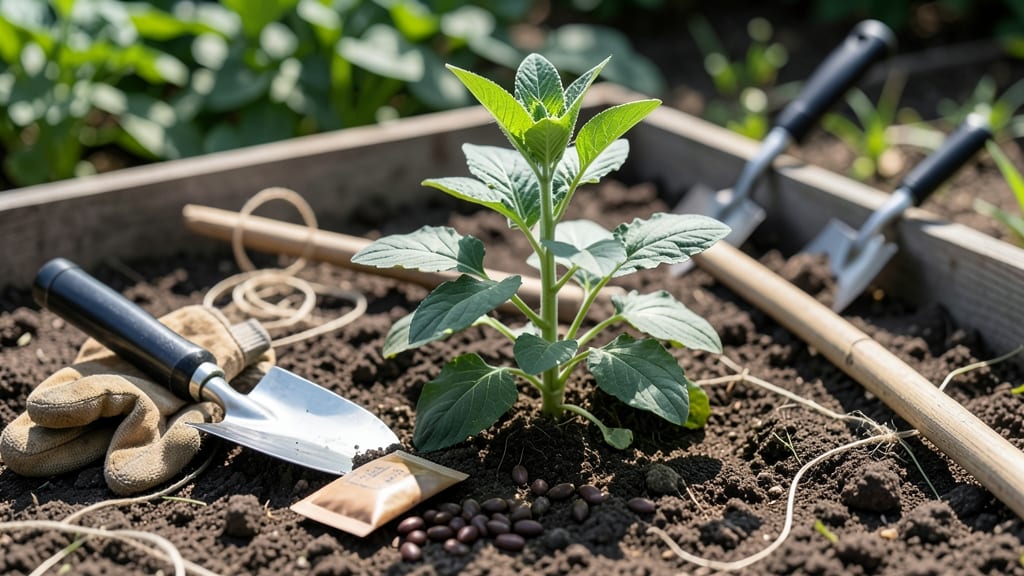
Planting mustard seeds in the ground gives you bold, peppery greens in just 7 days—faster than any other vegetable I’ve grown. 🌱 The secret lies in loose soil, shallow planting, and consistent moisture, but don’t overthink it: mustard thrives on neglect once it’s up.
My first batch sprouted in 4 days, and I was harvesting within weeks, even in partial shade.
You’ll need a sunny spot (at least 4–6 hours of light daily), well-draining soil, and a handful of seeds—no fancy prep required. Scatter them ¼-inch deep, 1–2 inches apart, and cover lightly with soil.
Mustard handles cool weather better than heat, so aim for spring or fall planting in most zones. The key is keeping the soil damp (not soggy) until germination.
Once sprouted, your mustard will grow fast—ready to harvest in 3–4 weeks—with leaves that pack a spicy kick.
Thin seedlings to 6 inches apart to prevent crowding, and watch them bolt (flower) if temps rise above 75°F. That’s when you’ll want to harvest leaves aggressively to keep production going.
Works in containers too—just use a deep pot—and pairs well with carrots or radishes. The only real mistake? Planting too deep or letting the soil dry out. Trust me, mustard forgives a lot, but these two things will kill your crop faster than anything.
📚 In This Guide
- What you need
- Instructions
- Tips and common mistakes
- Wrapping up and next steps
What you need
- ● Mustard seeds: 1–2 grams (about 200–400 seeds, depending on variety). Choose Brassica juncea (e.g., 'Southern Giant Curled,' 'Tendergreen') for fast growth.
- ● Garden soil: Well-draining, loamy soil with a pH of 6.0–7.5. Amend with compost (2–3 inches mixed in) for nutrient-rich beds.
- ● Watering can or hose: With a gentle spray nozzle for even moisture.
- ● Garden trowel or transplanting knife: For digging small furrows (6–8 inches apart for rows, 1–2 inches deep).
- ○ Row marker or sticks: Optional but helpful for spacing (mustard grows best 12–18 inches apart in rows).
- ● Organic mulch (straw or grass clippings): 1–2 inches thick to retain moisture and suppress weeds.
- ● Seed starter kit: If sowing indoors first (e.g., heat mat for faster germination).
- ● Fertilizer: Balanced 10-10-10 or compost tea (apply lightly after 3–4 weeks).
- ● Row cover or shade cloth: For young seedlings if temperatures exceed 80°F.
- ● Plant labels: To track varieties and harvest dates.
- ● Gloves: For messy soil or prickly mustard varieties.
Step-by-Step instructions for planting mustard seeds directly in the garden
Mustard greens grow fast and thrive when planted directly in cool soil—here's how to get them sprouting in under a week.
🌱 Step 1: Choose the Right Location and Prepare the Soil
Mustard seeds need a spot with full sun to partial shade (at least 4-6 hours of sunlight daily). I always pick a spot where the soil drains well—mustard hates soggy roots. Loosen the top 6 inches of soil with a garden fork or tiller to break up compaction and improve aeration.
Amend the soil with a handful of compost or aged manure per square foot. Mustard greens aren’t picky, but rich soil with a pH between 6.0 and 7.0 gives you the fastest growth. Rake the area smooth so seeds make good contact with the soil—this ensures even germination.
🌱 Step 2: Plant Seeds at the Correct Depth and Spacing
Scatter seeds ½ inch deep—any deeper, and they’ll struggle to push through the soil. Plant them 1 inch apart in rows that are 12-18 inches apart. I like to sprinkle them in a zigzag pattern to avoid thick clusters, which can lead to weak, leggy plants.
Lightly cover the seeds with soil and press gently with the back of a rake. This ensures good seed-to-soil contact without burying them too deep. Water the area lightly with a fine mist—just enough to moisten the soil surface. Overwatering now can wash seeds away or create a crust that blocks germination.
💧 Step 3: Keep Soil Moist and Watch for Sprouts
Mustard seeds germinate best in consistently moist soil, but they won’t tolerate standing water. Water gently every 1-2 days until the soil feels 1 inch deep and damp to the touch. You’ll see tiny sprouts in as few as 3-7 days, depending on temperature—warmer soil speeds things up.
Once seedlings appear, thin them to 4-6 inches apart to give each plant room to grow. Use scissors to snip unwanted seedlings at soil level—this prevents disturbing the roots of the ones you’re keeping. Thinning early ensures stronger, healthier plants that won’t compete for nutrients.
☀️ Step 4: Maintain Growing Conditions for Fast Harvest
Mustard greens grow best in cool weather, ideally between 50-75°F. If temperatures rise above 80°F, the leaves will bolt (go to seed) quickly. Keep the soil consistently moist but not waterlogged—dry spells cause bitter flavors and stunted growth.
Fertilize lightly with a balanced, water-soluble fertilizer (like 10-10-10) when seedlings are 2-3 inches tall. I use about ¼ teaspoon per square foot dissolved in water. Avoid heavy feeding—mustard greens grow fast and don’t need much extra nutrition to thrive.
✂️ Step 5: Harvest at the Right Time for Best Flavor
Young leaves are tender and mild when harvested at 2-3 inches tall. Use a sharp knife or clean scissors to cut leaves at the base, leaving the crown intact so new growth continues. This method gives you multiple harvests over 4-6 weeks.
If you let the plants grow taller, the leaves become spicier and more fibrous. For baby greens, harvest the entire plant when it reaches 4-6 inches tall. Regular harvesting encourages bushier growth and keeps your mustard patch productive all season.
Tips & tricks for perfect mustard seed planting
These little tricks will help you grow vibrant mustard greens faster and with fewer headaches.
Soil Prep Secret: Don't just loosen the soil—break up any clumps larger than a quarter. Mustard seeds need direct contact with fine soil particles to germinate quickly. I like to sprinkle a thin layer of compost directly on the planting area before covering seeds—this creates an instant nutrient-rich zone right where they'll sprout.
Planting Pattern Pro Tip: The zigzag spacing in Step 2 isn't just about looks—it creates a natural irrigation system. When you water, the zigzag channels direct moisture evenly to all seeds. For larger gardens, consider planting in blocks rather than straight rows—this makes thinning easier and gives you more flexibility when harvesting.
Germination Watch: Those 3-7 days for sprouts can feel like forever! Check for germination by gently pressing your finger into the soil—you'll feel tiny resistance where seeds have started to push through. If you're not seeing sprouts after 7 days in warm soil (75°F+), try covering the area with a thin layer of black plastic for 24 hours to warm the soil faster.
Thinning Hack: When thinning seedlings to 4-6 inches apart, use the thinned seedlings in salads or stir-fries—no waste! I find it's easier to thin in stages: first when they're 1 inch tall, then again at 2 inches. This gives you multiple harvests of baby greens while preventing overcrowding.
Pro Tips for Plant Mustard Seeds In The Ground
- These little tricks will help you grow vibrant mustard greens faster and with fewer headaches.
- Soil Prep Secret: Don't just loosen the soil—break up any clumps larger than a quarter.
- Planting Pattern Pro Tip: The zigzag spacing in Step 2 isn't just about looks—it creates a natural irrigation system.
Frequently asked questions
Got questions about growing mustard from seeds? You’re not alone! Here are answers to the most common queries to help you grow bold, peppery greens like a pro.
How deep should I plant mustard seeds?
Mustard seeds are tiny but mighty—plant them just ¼ inch deep in the soil. Lightly cover them and pat the earth down gently to ensure good soil contact. Too deep, and they may struggle to sprout; too shallow, and they’ll dry out. Aim for a cozy, snug fit!
When is the best time to plant mustard seeds?
Mustard thrives in cool weather, so plant seeds 4–6 weeks before the last frost in spring or 6–8 weeks before the first frost in fall. Avoid summer heat—mustard bolts (goes to seed) quickly when temperatures rise above 75°F (24°C). For year-round greens, try succession planting every 2–3 weeks.
Can I grow mustard in containers or just in the ground?
Mustard grows well in containers at least 6 inches deep with drainage holes. Use lightweight potting mix and place pots in full sun to partial shade. Just keep an eye on watering—container soil dries out faster. Bonus: Container-grown mustard is perfect for balconies or small spaces!
What should I do if my mustard seeds aren’t sprouting?
Patience is key! Mustard seeds need consistent moisture and warmth (60–70°F / 15–21°C) to germinate. If they’re slow to sprout, check for:
- Dry soil—keep it damp (not soggy) until seedlings appear (usually 5–10 days).
- Poor soil contact—press seeds lightly into the soil.
- Cold temperatures—use a heat mat or wait for warmer weather.
- Old seeds—mustard seeds lose viability after 2–3 years.
Why does my mustard taste bitter or spicy?
Mustard’s peppery kick comes from glucosinolates, compounds that intensify when plants bolt (send up flowers) or face stress. To keep it mild:
- Harvest leaves young and tender (before flowering).
- Avoid overcrowding—thin seedlings to 6–12 inches apart for better growth.
- Water consistently and fertilize lightly with compost or balanced fertilizer.
Wrapping up and next steps
Planting mustard seeds is a rewarding way to grow fast, flavorful greens in just 7 days! By following these simple steps—choosing the right soil, spacing seeds properly, and keeping them moist—you’ll soon enjoy fresh, peppery leaves perfect for salads, sandwiches, or stir-fries. 🌱
Now that you’re ready to sow, grab your gloves and get growing! Try planting a small batch first to test your garden’s conditions, then expand as your confidence (and harvest!) grows. Happy gardening—your taste buds will thank you! 😊