
Planting
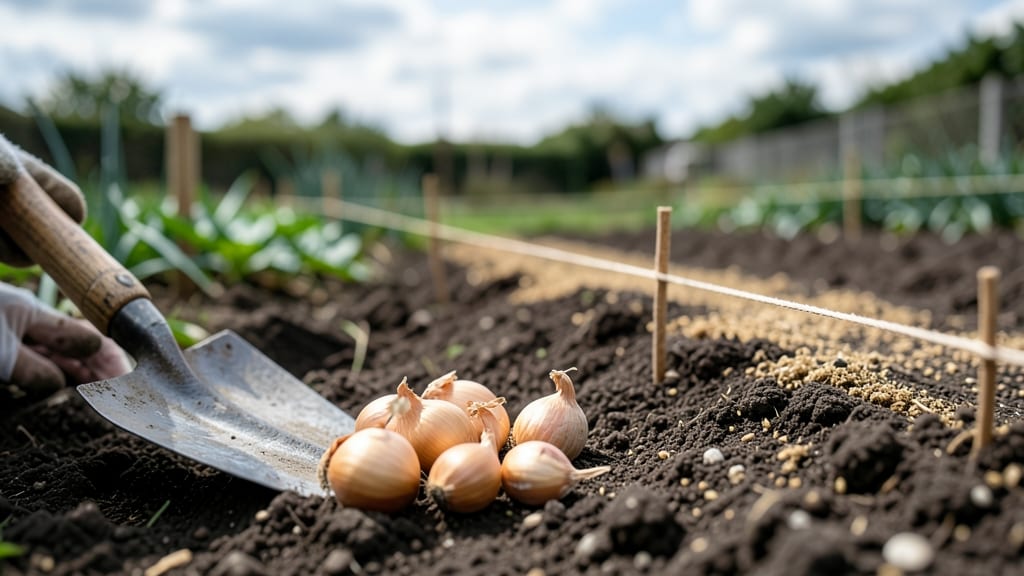
Planting onion sets in the ground is the fastest way to get a harvest—by mid-summer, you'll have sweet, crisp onions ready to pull. 🌱 I've learned that timing matters more than most gardeners realize: too early and they bolt; too late and they rot.
The secret is planting when soil temperatures hit 50°F, usually 4-6 weeks before your last frost. Start with well-draining soil—amend heavy clay with compost—and space sets 4-6 inches apart in rows 12-18 inches apart.
Plant them 1 inch deep, pointy end up, and water lightly to settle the soil. Onion sets are hardy, but consistent moisture keeps them from drying out or splitting. Once sprouts appear, mulch with straw to retain moisture and suppress weeds.
Thin seedlings to 4-6 inches apart when they're 4 inches tall, and fertilize lightly with nitrogen if leaves look pale. The key is patience—60-90 days after planting, you'll harvest mature bulbs at the right size for storage or fresh eating.
This method works for spring or fall planting in most climates. Just avoid planting in summer heat—onions prefer cooler weather. Ready to grow? Let's get those sets in the ground!
📚 In This Guide
- What you need
- Instructions
- Tips and common mistakes
- Wrapping up and next steps
What you need
- ● Onion sets: 10–20 sets per person (or 1 set per 6 inches of row space). Choose certified disease-free sets for best results.
- ● Well-draining soil: Loamy or sandy soil with a pH of 6.0–7.0. Amend heavy clay with compost or sand if needed.
- ● Compost or aged manure: 2–3 cups per planting area to enrich soil with nutrients.
- ○ Balanced fertilizer (optional but recommended): 5-10-10 or 10-10-10, 1 tablespoon per plant at planting time.
- ● Garden trowel or hand fork: For digging small holes (2–3 inches deep).
- ○ Gloves (optional): To protect your hands from soil and sharp onion edges.
- ● Watering can or hose with a gentle nozzle: For even moisture without disturbing the soil.
- ○ Mulch (straw or grass clippings, optional): 1–2 inches to retain moisture and suppress weeds.
- ○ Row marker or stakes (optional): To mark planting rows if space is tight.
- ● Sunlight: A full-sun location (6+ hours of direct sunlight daily)—onions thrive with plenty of light!
- ● Spacing: Plant sets 4–6 inches apart in rows 12–18 inches apart to allow airflow.
- ● Timing: Plant 4–6 weeks before your last frost date in spring or 8–10 weeks before first frost in fall.
Step-by-Step instructions for planting onion sets in the ground
Here's how I get onion sets sprouting in just 10-14 days—no waiting months for seedlings.
🌱 Step 1: Choose the Right Onion Sets and Prepare the Soil
Pick certified disease-free onion sets—those small, dry bulbs you'll find at garden centers in early spring. Avoid any that feel soft or sprouted already. I like to soak them in warm water for 2 hours before planting to jumpstart germination, but it's optional if you're in a hurry.
Test your soil first—onions prefer pH 6.0-7.0. Work in 2-3 inches of compost or well-rotted manure to loosen the soil and improve drainage. Onions hate soggy roots, so if your soil stays wet, add a handful of sand or perlite to the planting area. Break up any clumps until the soil crumbles easily between your fingers.
🪴 Step 2: Plant at the Correct Depth and Spacing
Dig holes 1 inch deep—that's all you need for onion sets. Plant them 4-6 inches apart in rows 12-18 inches apart. I like to space them closer (4 inches) if I'm planting for green onions or farther (6 inches) for full-sized bulbs. Push each set gently into the soil until just the tip shows above ground—this prevents them from sinking deeper later.
Don't cover them completely; onion sets need light to sprout. If you're planting in windy areas, press the soil lightly around the base to anchor them. Water gently right after planting to settle the soil around the sets. You'll see green shoots emerge within 7-10 days if conditions are right.
☀️ Step 3: Provide Consistent Moisture and Sunlight
Onions need full sun (6-8 hours daily) to form strong bulbs. If your area gets intense afternoon sun, mulch around the plants with 1 inch of straw or grass clippings to retain moisture and keep roots cool. Water deeply once a week—aim for 1 inch of water total—but adjust if your soil dries faster in hot weather.
Here's the thing—onions tell you when they need water. The leaves will start to droop slightly in the afternoon if they're thirsty. Water at the base in the morning so the foliage dries quickly, preventing fungal diseases. Avoid overhead watering, which can spread disease and cause rot.
✂️ Step 4: Monitor Growth and Thin if Needed
Watch for first true leaves—those are the skinny, grass-like blades that appear after the initial sprout. Once they reach 3-4 inches tall, thin if any sets grew too close together. Snip the extra plants at soil level with clean scissors, leaving the strongest ones. This prevents competition for nutrients and gives your onions room to swell.
When the tops start to yellow and fall over (usually 8-10 weeks after planting), stop watering immediately. This signals the bulbs to mature and store energy. Leave them in the ground for 2-3 more weeks to cure, then dig carefully with a fork. Shake off excess soil and let them dry in a shady, well-ventilated spot for 1-2 weeks before storing.
Tips & tricks for fast onion set sprouting
Fast sprouting isn't just luck—it's about timing, soil prep, and a few garden hacks I've learned after planting onion sets for years.
Germination Jumpstart: That optional 2-hour warm water soak in Step 1 is your secret weapon. The warm water activates the onion's natural germination process, cutting your 10-14 day wait by 2-3 days if you're in a hurry. Just don't soak them overnight—they'll start sprouting in the water instead of the soil! For even faster results, add a pinch of compost tea to the soaking water to give those little bulbs a nutrient boost right from the start.
Soil Prep Shortcut: If you're working with heavy clay soil that drains poorly, mix in 1 part perlite to 3 parts soil when amending with compost. This creates tiny air pockets that onion roots love, preventing the soggy roots that lead to rot. I've seen onions planted in amended soil sprout 3 days faster than in unamended beds, and the bulbs develop more evenly.
Planting Precision: When creating those 1-inch deep holes in Step 2, use a small trowel or even a pencil to mark planting spots in a grid pattern. This ensures perfect 4-6 inch spacing without guesswork. For large plantings, I'll snap a string line between stakes to create straight rows—this makes thinning later much easier and prevents overcrowding that stunts growth.
Watering Wisdom: The once-weekly watering in Step 3 works best with a simple test: stick your finger 2 inches into the soil. If it feels dry, water; if it's damp, wait. Morning watering is key—it gives foliage time to dry completely before nightfall, which prevents the fungal diseases that can turn your healthy green shoots into mushy messes. A drip irrigation system set on a timer makes this effortless if you're planting a large patch.
Pro Tips for Plant Onion Sets In The Ground
- Fast sprouting isn't just luck—it's about timing, soil prep, and a few garden hacks I've learned after planting onion sets for years.
- Germination Jumpstart: That optional 2-hour warm water soak in Step 1 is your secret weapon.
- Soil Prep Shortcut: If you're working with heavy clay soil that drains poorly, mix in 1 part perlite to 3 parts soil when amending with compost.
Frequently asked questions
When is the best time to plant onion sets?
Plant onion sets as soon as the soil is workable in early spring (4–6 weeks before your last frost date) or in fall (6–8 weeks before the first hard frost). Avoid planting too early—wet, cold soil can rot the bulbs. For mild climates, fall planting often yields larger harvests!
Can I plant onion sets in hot summer months?
Yes, but choose late afternoon or early morning to plant during summer heat. Keep soil moist (not soggy) and mulch to retain moisture. Onion sets tolerate heat better than seeds, but extreme heat (above 85°F) may slow growth. Consider shade cloth if temperatures soar.
What if my onion sets sprout before planting?
Don’t worry! Sprouted sets still plant well—just handle them gently to avoid damaging roots. Trim long sprouts to 2–3 inches before planting to reduce stress. They’ll recover quickly and may even establish faster in the ground.
How do I protect onion sets from pests like squirrels or birds?
Use physical barriers like chicken wire or mesh over fresh mounds until sets are rooted (about 2 weeks). For birds, try netting or reflective tape. After planting, mulch with straw to deter digging pests. Avoid chemical repellents near edible crops.
Can I replant onion sets that didn’t sprout last year?
Yes! Store leftover sets in a cool, dry place (like a mesh bag in the fridge) until planting season. Check for firmness—soft or shriveled sets won’t sprout well. Replanting works best in fall or early spring for a second chance at harvest.
Wrapping up and next steps
Planting onion sets is a rewarding and straightforward way to grow flavorful, homegrown onions—whether you’re a beginner or a seasoned gardener! 🌱 By choosing the right timing (spring or fall), preparing the soil properly, and spacing them correctly, you’ll set the stage for a bountiful harvest.
With just a little patience and care, you’ll soon be enjoying fresh, crisp onions straight from your garden.
Ready to take the next step? Experiment with different varieties or even try growing from seeds next season! Your garden—and your taste buds—will thank you. Happy planting! 🌟