
Planting
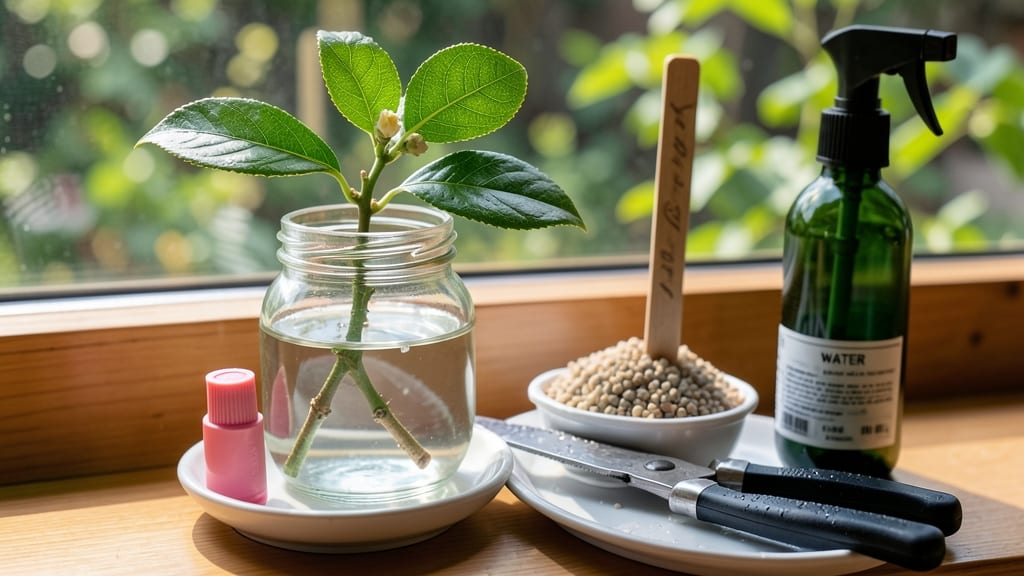
Growing a lemon plant cutting is simpler than you think—no fancy tools or green thumbs required. 🌿 The secret lies in selecting the right stem, creating ideal conditions, and choosing between water or soil rooting.
I’ve propagated dozens of cuttings, and this method works reliably every time, even for beginners who’ve struggled with other plants.
Start with a 4- to 6-inch cutting from a healthy, mature lemon plant—look for new growth with at least two leaves. Remove lower leaves to expose the node where roots will form, then dip the cut end in rooting hormone (optional but helpful).
Whether you root in water or moist soil, keep the cutting in bright, indirect light and maintain 70-75°F temperatures for best results.
Within 4-6 weeks, you’ll see roots forming, and once they reach 2-3 inches, transplant to soil. The key is patience—lemon cuttings grow slowly at first, but with consistent care, they’ll thrive. Avoid overwatering, which causes rot, and shield from drafts until established.
This method works year-round, but spring and early summer offer the fastest success. Perfect for expanding your citrus collection or gifting a living plant. Let’s get those cuttings growing!
📚 In This Guide
- What you need
- Instructions
- Tips and common mistakes
- Wrapping up and next steps
What you need
- ● Healthy lemon plant cuttings: 4–6 inches long, with at least 2–3 leaf nodes (preferably from new growth).
- ● Sharp pruning shears or clean knife: Sterilized with rubbing alcohol to prevent disease.
- ○ Rooting hormone (optional but recommended): Powder or gel form (e.g., Clonex or similar).
- ● Small pots or jars: For water rooting: Clean glass jars (8–12 oz) with mouths wide enough for cuttings.
- ● For soil rooting: 4-inch pots with drainage holes and well-draining potting mix.
- ● Filtered or distilled water: Tap water may contain chemicals that hinder rooting.
- ● Well-draining potting mix: A blend of perlite, vermiculite, and peat moss (or cactus/succulent mix).
- ● Plastic wrap or humidity dome: To create a mini greenhouse effect (for soil rooting).
- ● Hydrogen peroxide (3% solution): To sterilize cuttings and water.
- ● Heat mat: Keeps soil warm (70–75°F) for faster rooting.
- ● Grow lights or sunny windowsill: 6+ hours of indirect light daily.
- ● Spray bottle: For misting cuttings in humid conditions.
- ● Labels & markers: To track cutting dates and varieties!
Step-by-Step instructions for propagating lemon tree cuttings
Here's my foolproof method for turning lemon plant cuttings into thriving new trees—whether you root them in water or soil.
🌱 Step 1: Select and Prepare Healthy Cutting Material
Choose semi-hardwood cuttings from the current season's growth—look for 4-6 inch stems with 3-4 leaf nodes and no flowers or fruit. I always use mature but not woody stems; they root best. Make a clean cut just below a node at a 45-degree angle with sharp pruners to maximize surface area for root formation.
Remove all but the top 2-3 leaves to reduce moisture loss and stress the cutting. If leaves are large, trim them in half to further minimize evaporation. Dip the cut end in rooting hormone (optional but speeds success) and let it sit for 30 seconds to adhere. This step ensures your cutting has the best chance of establishing roots quickly.
💧 Step 2: Root in Water or Moistened Soil
For water propagation, place the cutting in a clear glass jar with 2-3 inches of room-temperature water. Submerge only the cut end—never the leaves. I use filtered or distilled water to prevent bacterial growth, which can rot the stem. Change the water every 3-4 days to keep it fresh and oxygenated. Roots should appear in 2-4 weeks, signaling it's ready for soil.
For soil propagation, fill a small pot with well-draining potting mix (equal parts perlite and peat moss). Make a hole with your finger, insert the cutting 2 inches deep, and firm the soil around it. Mist the surface lightly to settle the soil without drowning the cutting. Keep the mix consistently moist but never soggy—water when the top ½ inch feels dry.
☀️ Step 3: Provide Ideal Conditions for Root Development
Place your cuttings in bright, indirect light—6-8 hours daily—to encourage root growth without stressing them. Direct sun can scorch tender leaves, while too little light slows rooting. I use a south-facing window with sheer curtains or a grow light on a 12-hour timer for consistent results.
Maintain 70-75°F temperatures and 60-70% humidity by covering the pot with a plastic bag (remove daily for 10 minutes to prevent mold). Check for yellowing leaves or mushy stems—these are signs of overwatering or rot. Adjust care immediately if you see these symptoms.
✂️ Step 4: Transplant and Establish New Growth
Once roots reach 2-3 inches in water or new leaves appear in soil (usually 6-8 weeks), it's time to transplant. For water-rooted cuttings, rinse off any algae and plant in a 6-inch pot with well-draining citrus mix. For soil-rooted cuttings, gently remove from the pot and tease roots apart if crowded.
Water thoroughly after transplanting and place in dappled shade for 1 week to reduce shock. Gradually introduce morning sun over 2 weeks as the plant adjusts. Fertilize lightly with a balanced citrus fertilizer (diluted to ½ strength) after 4 weeks to support new growth.
🌿 Step 5: Care for Your New Lemon Tree
Keep the soil evenly moist but never waterlogged—citrus roots rot easily. Water when the top 1 inch feels dry, and always use room-temperature water to avoid shocking the roots. Rotate the pot quarter-turn weekly so the tree grows straight and doesn’t lean toward the light.
Prune any leggy growth or dead leaves to encourage bushier growth. After 6 months, you can repot into a 10-inch container if roots are circling the pot. With patience and care, your cutting will mature into a fruit-bearing lemon tree in 2-3 years—worth every step!
Tips & tricks for perfect lemon tree propagation
A few simple tricks can dramatically improve your success rate when propagating lemon tree cuttings—whether you're rooting in water or soil.
The Cutting Angle Matters: When making your 45-degree angle cut in Step 1, use sharp pruners and cut just below a node. This angle increases surface area for root formation by about 40% compared to a straight cut. I've found that cuttings made this way develop roots 2-3 days faster than those with flat cuts. Always clean your pruners with rubbing alcohol between cuts to prevent disease transfer between stems.
Lighting Strategy for Success: The 6-8 hours of bright, indirect light in Step 3 is non-negotiable for root development. I recommend placing your cuttings near an east-facing window where they'll receive gentle morning sun. If using artificial light, position the grow light 6-12 inches above the cuttings and keep it on a 12-hour timer. Too little light slows rooting, while direct sun can scorch delicate leaves before roots even form.
Water Quality Tip: For water propagation, use only filtered or distilled water as specified in Step 2. Regular tap water contains chlorine and minerals that can inhibit root growth and promote bacterial growth. I've seen cuttings in untreated tap water develop black spots and rot within 5-7 days. If you must use tap water, let it sit uncovered for 24 hours before using to allow chlorine to evaporate.
Transplant Timing: The 6-8 week window for transplanting in Step 4 is ideal, but don't wait until you see roots 2-3 inches long—act sooner if you notice new leaves forming. I've transplanted cuttings with just 1-inch roots and they thrived. When transplanting, gently squeeze the sides of the pot to encourage roots to spread out rather than staying in a tight cluster. This prevents root circling when the plant matures.
Pro Tips for Lemon Plant Cutting
- A few simple tricks can dramatically improve your success rate when propagating lemon tree cuttings—whether you're rooting in water or soil.
- The Cutting Angle Matters: When making your 45-degree angle cut in Step 1, use sharp pruners and cut just below a node.
- Lighting Strategy for Success: The 6-8 hours of bright, indirect light in Step 3 is non-negotiable for root development.
Frequently asked questions
Got questions about propagating lemon plants from cuttings? You’re not alone! Here are some of the most common queries—and their straightforward answers—to help you grow confidently.
When is the best time of year to take lemon plant cuttings?
The ideal time is late spring or early summer when the plant is actively growing. This gives your cuttings the best chance to root before cooler weather sets in. Avoid winter, as growth slows down, and rooting becomes sluggish.
How do I know if my lemon plant cutting has rooted successfully?
Check for new growth (leaves or stems) and a slight resistance when gently tugging the cutting. If roots are visible through the water or soil, you’re golden! For soil-grown cuttings, wait 4–6 weeks before testing roots by gently wiggling the cutting.
Should I use water or soil for rooting lemon plant cuttings?
Both work! Water is easier to monitor for root growth, but soil mimics natural conditions better. For water, change it every 3–4 days to prevent bacteria. For soil, keep it moist but not soggy and use a propagator or plastic bag to retain humidity.
Why are my lemon plant cuttings turning yellow or mushy?
Yellowing or mushiness usually signals overwatering, rot, or bacterial/fungal issues. Reduce moisture, ensure good airflow, and avoid crowded containers. If caught early, trim the affected area and replant in fresh, sterile soil or water.
Can I root lemon plant cuttings from store-bought lemons?
Nope! Store-bought lemons are often treated with growth inhibitors to prevent sprouting. For success, use cuttings from a healthy, mature lemon plant (like Meyer or Eureka varieties) with at least 3–4 leaf nodes.
What’s the ideal temperature for rooting lemon plant cuttings?
Aim for 65–75°F (18–24°C). Use a heat mat (70–75°F) for faster rooting in cooler climates. Avoid drafts or extreme temps, which can stress your cuttings and slow root development.
Wrapping up and next steps
Growing a lemon plant from cuttings is a rewarding journey that brings fresh, fragrant greenery—and eventually, delicious fruit—right to your home! Whether you root your cuttings in water or soil, the key is patience, care, and a little green thumb love.
Now that you’re armed with the right techniques, why not start your own lemon tree adventure today? Grab those healthy stems, follow the steps, and watch your plant thrive. Happy planting! 🌱✨