
Planting
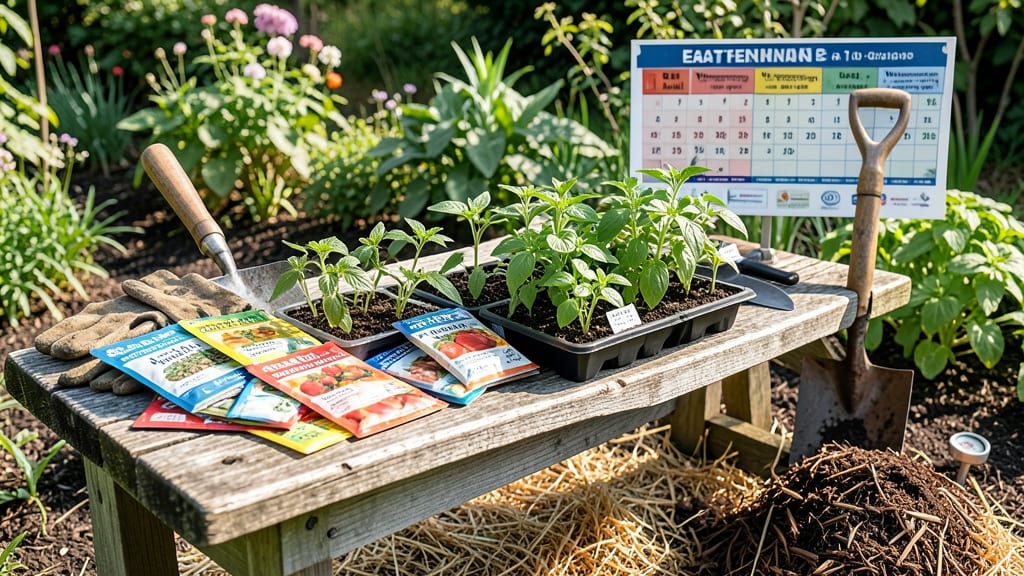
Planting your garden in East Tennessee at the right time means the difference between a thriving harvest and a sad pile of wilting seedlings.
East Tennessee’s unique climate—with its chilly mountain air and unpredictable frost patterns—can make or break your garden’s success. Planting at the wrong time means stunted growth, wasted seeds, or even total crop failure.
But here’s the good news: knowing your last frost date (around April 15 in most areas) and adjusting for your microclimate lets you time things perfectly. Whether you’re sowing cool-season 🌱 greens in early spring or warm-season tomatoes after the danger has passed, this guide keeps you on track.
Below, I’ll break down the exact frost dates for your region, soil temperature rules for each crop, and how to tweak your schedule for elevation or urban heat islands. By the end, you’ll know exactly when to plant—and what to plant—for a garden that outperforms the neighbors’.
East Tennessee frost dates and last spring/first fall frost timelines
Understanding East Tennessee’s frost dates is the key to unlocking a successful garden. The region spans USDA Zones 6a-7a, where last spring frost can arrive as early as mid-April in valleys but linger until May in higher elevations.
Meanwhile, first fall frost often hits between mid-October and early November, depending on location.
These dates dictate when to plant cool-season crops like lettuce and spinach versus warm-season crops like tomatoes and peppers. In Knoxville (Zone 7a), the average last frost is April 15, while Asheville (Zone 6b) typically sees its last frost around April 25.
Chattanooga’s Zone 7b usually warms up by April 10.
Here’s how these frost dates translate into planting windows for your garden:
| Region | Last Spring Frost | First Fall Frost | Cool-Season Planting Window | Warm-Season Planting Window |
|---|---|---|---|---|
| Knoxville (Zone 7a) | April 15 | October 15 | March 1 - April 15 | April 30 - June 15 |
| Asheville (Zone 6b) | April 25 | October 5 | March 15 - April 25 | May 10 - June 15 |
| Chattanooga (Zone 7b) | April 10 | October 20 | February 28 - April 10 | April 20 - June 1 |
| Mountain Areas (Zone 6a) | May 5 | September 20 | April 1 - May 5 | May 20 - June 10 |
For cool-season crops, aim to plant 4-6 weeks before your last frost date. This means starting seeds indoors for spinach and kale as early as February in Knoxville or March in higher elevations. Transplant seedlings outdoors once soil temperatures reach 40°F.
Warm-season crops like tomatoes and peppers need to wait until 2-3 weeks after the last frost when soil temperatures consistently stay above 60°F. In Chattanooga, this is typically by April 20, while mountain areas may need to wait until May 20.
Microclimates play a huge role in East Tennessee. Urban areas like downtown Knoxville can warm up 1-2 weeks earlier than rural spots, while valleys like the French Broad River Valley often experience later frosts.
Use a minimum thermometer to track your local frost patterns for 3 years to refine your schedule.
Pro tip: Extend your growing season by using row covers or cold frames to protect early plantings. In fall, these tools can push your harvest window back by 4-6 weeks before the first frost hits.
Always check the Tennessee Extension Service for real-time frost alerts—their local weather stations provide the most accurate updates. With these frost dates in hand, you’ll avoid the heartbreak of a frost-nipped garden and enjoy a longer, more productive harvest.
Soil temperature requirements for key East Tennessee vegetables
Getting your soil temperature right is the secret to a thriving East Tennessee garden. Unlike frost dates, which tell you when to plant, soil temperature dictates whether your seeds will germinate—or rot in the cold ground.
In our USDA Zones 6a-7a, early spring soils can linger below 50°F for weeks, stalling growth of warm-season favorites like tomatoes and peppers. But don’t worry—I’ll show you exactly what each plant needs and how to warm your soil faster.
Most gardeners focus on frost dates, but soil temperature is equally critical. For example, tomatoes and peppers won’t germinate until the soil hits 60°F, while lettuce thrives in cooler 40°F-50°F soils.
Planting too early—even after the last frost—can leave your seeds sitting in cold, damp soil, inviting rot and disease. Let’s break down the ideal soil temps for your top East Tennessee crops and how to hit those targets without waiting for Mother Nature.
If your soil is running cold, don’t just wait—actively warm it up. Lay down black plastic mulch 1-2 weeks before planting to absorb sunlight and raise temperatures. For herbs and lettuce, a simple straw mulch keeps the soil cooler and retains moisture.
I’ve even used old cardboard buried under mulch to suppress weeds and trap heat near the soil surface. Test your soil with a thermometer every few days until it hits the ideal range for your crops.
One common mistake? Planting warm-season crops too early because the air feels warm. A 70°F afternoon might fool you, but if the soil is still 55°F, your seeds will fail to germinate.
Always check the soil—not the air—with a soil thermometer (they’re cheap and worth it!). In East Tennessee’s mountainous regions, soil can stay cold weeks longer than valleys, so adjust your timeline accordingly.
For herbs like basil, which need consistent warmth, consider starting seeds indoors under grow lights in late March. Transplant them outside only after the soil hits 70°F+ and nighttime temps stay above 55°F.
I’ve had the best success with basil by hardening off seedlings gradually—placing them in a shady spot for a week before moving to full sun.
Remember: soil temperature isn’t just about germination—it affects root growth, disease resistance, and even flavor development in crops like tomatoes. By mastering these critical temps and using simple tricks like mulch, you’ll give your East Tennessee garden the best possible start—no more wasted seeds or disappointed dreams! 🌱