
Planting
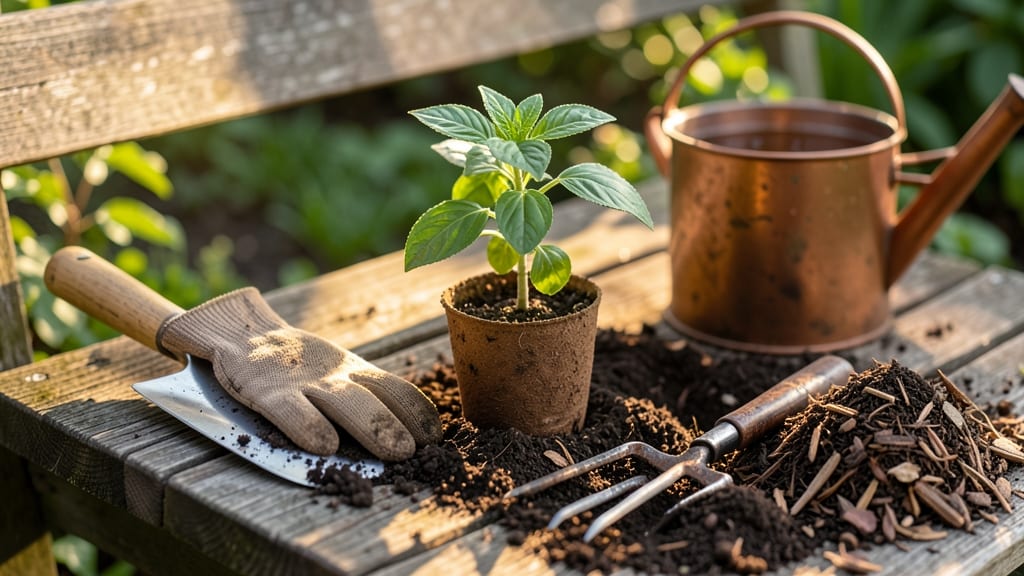
Planting plants outside isn’t rocket science—it’s about timing, soil, and a little patience. 🌱 I’ve buried more seeds than I’d like to admit, but these simple steps turn first-time gardeners into confident planters. The key?
Matching your plants to your climate, prepping the soil right, and giving them the perfect start. Start by testing your soil’s drainage and adding compost if it’s heavy clay or sandy.
Most plants need twice as wide a hole as their root ball, and the top should sit just above ground level. Water deeply before planting to settle the roots, then mulch to keep moisture in. I’ve seen beginners overwater or plant too deep—both kill more plants than pests ever will.
By the end of the season, you’ll have thriving plants that outperform store-bought ones. The secret isn’t fancy tools—it’s knowing when to plant, how deep, and how much space to give them. Even my black thumb’s plants now outlast the neighbors’.
Works for flowers, veggies, or shrubs—just adjust timing for your zone. Let’s get those roots in the dirt!
📚 In This Guide
- What you need
- Instructions
- Tips and common mistakes
- Wrapping up and next steps
What you need
- ● Plants: Seedlings or seeds (choose based on your climate/season—e.g., tomatoes, herbs, or perennials).
- ● Garden soil: 1–2 bags (or compost for nutrient-rich soil).
- ● Containers or garden bed: Pots (5–10 gallons, depending on plant size).
- ● Or a prepped garden bed (6–12 inches deep, well-drained).
- ● Fertilizer: Organic (e.g., fish emulsion) or slow-release granules.
- ● Watering can or hose: With a gentle spray nozzle (1–2 gallons capacity).
- ● Gloves: 1 pair (gardening or work gloves for protection).
- ● Trowel or shovel: For digging (small hand trowel for pots, larger shovel for beds).
- ● Mulch: Straw, wood chips, or shredded leaves (1–2 inches thick).
- ● Plant markers: Labels or sticks to track varieties.
- ● Pruners: For trimming dead or overgrown branches.
- ● Soil pH tester: To check acidity/alkalinity (ideal range: 6.0–7.0).
- ● Drip irrigation system: For automated watering (great for busy gardeners!).
- ● Sunlight meter: To analyze light exposure in your garden spot.
Step-by-step instructions for planting plants outside
Here's the foolproof method I use to get plants thriving outdoors—no guesswork, just results.
🌱 Step 1: Pick the Right Time and Spot
Choose a day with overcast skies or late afternoon to avoid stressing plants with harsh midday sun. The ground should be workable but not muddy—if it sticks to your shovel, wait a few days. I always test soil moisture by squeezing a handful; if it crumbles easily, it's ready.
Pick a location with the right light conditions for your plants. Most vegetables and flowers need 6+ hours of sunlight daily, while shade-loving plants like hostas or ferns thrive in 4 hours or less. Observe the area for at least an hour to track sun patterns—you'll notice how shadows shift throughout the day.
🪴 Step 2: Prepare the Planting Hole
Dig a hole twice as wide as the root ball but no deeper—planting too deep suffocates roots and can kill the plant. Loosen the sides of the hole with a garden fork to encourage root spread. I always rake the bottom lightly to create a rough surface for roots to grip.
If your soil is heavy clay or sandy, mix in 2-3 inches of compost at the bottom of the hole. This improves drainage and provides nutrients right where new roots will grow. Tap the plant gently out of its container to check the root ball—if it's tightly bound, tease the roots apart with your fingers before planting.
☀️ Step 3: Plant and Water Thoroughly
Place the plant in the hole so the top of the root ball sits level with the surrounding soil. Fill the hole with soil, pressing gently to remove air pockets. I like to add a handful of slow-release fertilizer mixed into the backfill soil for an extra boost.
Water deeply right after planting—1-2 gallons per plant—to settle the soil and eliminate air gaps. You'll see the soil sink slightly as it absorbs water; add more if the root ball is exposed. Mulch around the base with 2-3 inches of organic mulch to retain moisture and suppress weeds.
✂️ Step 4: Monitor and Adjust for Success
Check plants daily for the first week, looking for signs of stress like wilting or yellowing leaves. Water in the morning so foliage dries quickly, reducing disease risk. If leaves feel dry to the touch, it's time to water again—don't wait until they wilt.
After two weeks, assess growth progress. If plants look leggy or pale, they need more light—move them to a sunnier spot gradually over a few days. If new leaves appear crispy, they're getting too much sun; provide afternoon shade with a temporary shade cloth until they acclimate.
Tips & tricks for perfect outdoor planting
Here's what nobody tells you about getting plants to thrive once they're in the ground.
Light Conditions: That 6+ hours of sunlight rule is non-negotiable for most plants, but here's the thing—morning sun is gentler than afternoon heat. If you're planting in a hot climate, position sun-loving plants where they get morning light and afternoon shade. I've seen tomatoes burn when planted in full afternoon sun even though they technically got enough total hours.
Soil Prep Secret: The 2-3 inches of compost at the bottom of the hole isn't just about nutrients—it's about creating a perfect microclimate for roots. Mix in some perlite or coarse sand if your soil is heavy clay to prevent compaction. I learned this the hard way when my peonies struggled in pure clay soil until I amended it properly.
Watering Wisdom: Those 1-2 gallons per plant after planting are just the beginning. For the first two weeks, water deeply every morning rather than lightly every day. This encourages roots to grow downward where moisture is available, rather than staying shallow. Think of it as teaching your plants to drink from the well instead of just sipping from the surface.
Mulch Matters: That 2-3 inches of organic mulch isn't just decorative—it's a plant protector. Spread it out to the drip line (the edge of where leaves reach) to protect roots from temperature swings. I use straw mulch because it breaks down slowly and adds organic matter as it decomposes, but shredded leaves work too in cooler climates.
Pro Tips for Plant Plants Outside
- Here's what nobody tells you about getting plants to thrive once they're in the ground.
- Light Conditions: That 6+ hours of sunlight rule is non-negotiable for most plants, but here's the thing—morning sun is gentler than afternoon heat.
- Soil Prep Secret: The 2-3 inches of compost at the bottom of the hole isn't just about nutrients—it's about creating a perfect microclimate for roots.
Frequently asked questions
Got questions about planting outside? You’re not alone! Here are answers to the most common concerns—from timing to troubleshooting—so you can garden with confidence.
When is the best time to plant outside?
The ideal time depends on your plants and climate. Cool-season crops (like lettuce or spinach) thrive in early spring or fall, while warm-season plants (tomatoes, peppers) need soil temps above 60°F (15°C). Check your local frost dates—plant 2–4 weeks before the last frost for seedlings, or after for direct sowing.
Can I plant outside in summer?
Yes, but choose heat-tolerant plants like okra, sweet potatoes, or basil. For delicate varieties, opt for shade cloth or drip irrigation to prevent wilting. Early morning or late afternoon planting reduces stress on roots. Pro tip: Mulch heavily to retain moisture!
What if my plants die after transplanting?
Don’t panic! Shock is common—ensure you’re hardening off seedlings (acclimating them to outdoor temps for 7–10 days). Check for root damage (gently tug the plant; resistance = healthy roots). Overwatering or poor drainage can also kill plants. Adjust care and monitor closely.
Can I plant flowers and veggies together?
Companion planting boosts growth and deters pests. Pair tomatoes with basil (improves flavor), carrots with onions (repels pests), or marigolds with veggies (natural pest control). Avoid planting brassicas (cabbage family) near strawberries—they compete for nutrients.
What’s the easiest plant to grow for beginners?
Start with herbs (basil, parsley, chives) or leafy greens (lettuce, kale)—they’re forgiving and fast-growing. Sunflowers and zucchini are also great for quick success. Use self-watering pots or raised beds to simplify care.
Wrapping up and next steps
Planting outdoors is a rewarding journey that connects you to nature while transforming your space into a thriving garden.
By choosing the right plants, preparing the soil, and timing your efforts with the seasons, you’ll set the stage for lush growth and vibrant blooms. Remember: patience and care are your best tools—every gardener starts somewhere!
Ready to take the next step? Start small—pick one or two plants to focus on, track their progress, and gradually expand your green haven. Happy planting! 🌱✨