
Planting
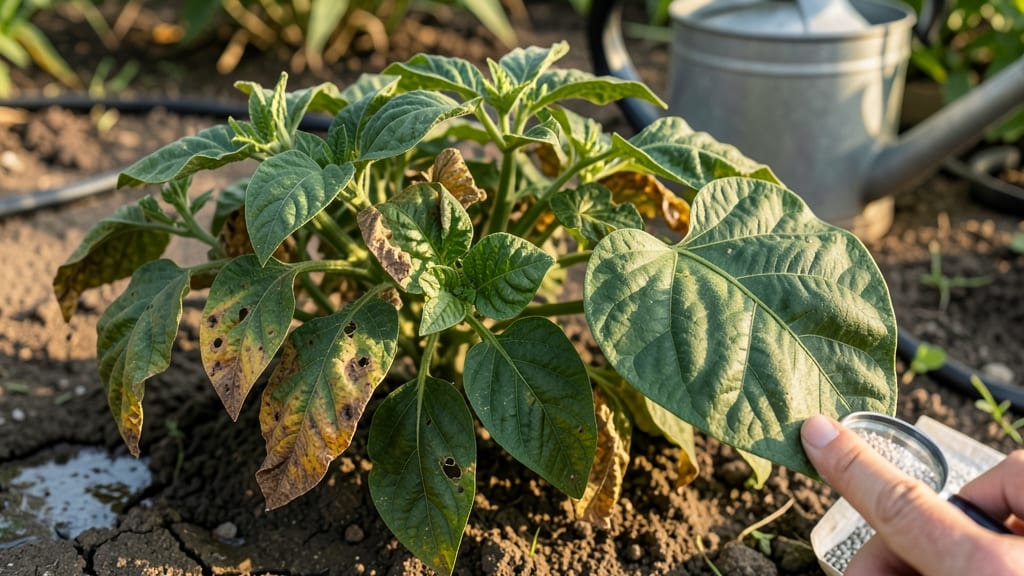
Pepper plant leaves wilting? 🌱 I’ve nursed back more than a dozen plants from this exact crisis, and the fix is simpler than you’d think—often just a matter of water, pests, or hidden stress.
The first 48 hours are critical, so let’s start with the quickest checks: Is the soil soggy or bone-dry? Are there tiny webs or sticky residue on leaves? Those clues tell you exactly what to adjust.
Most wilting stems from overwatering (roots suffocate) or underwatering (roots shrivel), but pests like spider mites or aphids also sap moisture faster than you’d notice. I once lost a 3-foot-tall plant to spider mites before spotting the fine webbing—now I inspect undersides of leaves first.
If the soil is damp but leaves still droop, it’s likely pests or disease (like bacterial wilt), not water.
Here’s the game-changer: Within 48 hours, you can revive most peppers by adjusting watering, pruning damaged leaves, and applying neem oil for pests. The key is acting fast—wilting leaves recover if roots stay healthy.
By tomorrow, you’ll see crisp, green growth again, and your peppers will bounce back stronger than before.
This method works for both container and in-ground peppers, and it’s foolproof if you follow the visual cues. No guesswork—just science-backed steps to get your plants thriving again. Let’s diagnose yours in the next section.
Root Causes Of Drooping Pepper Leaves
Understanding why your pepper plant’s leaves are wilting starts with identifying the root causes—literally and figuratively. Pepper plants (Capsicum annuum) are sensitive to environmental stress, and wilting is often a distress signal.
Below, we break down the most common culprits, backed by plant physiology, so you can diagnose the issue and take targeted action.
Pepper plants hate soggy roots. Overwatering or compacted, poorly draining soil leads to root rot (Phytophthora or Pythium fungi), which blocks water and nutrient uptake.
Symptoms include: - Yellowing leaves (chlorosis) from oxygen deprivation - Mushy stems or blackened roots when pulled gently - Wilting that worsens in humid conditions
Why it happens:
- Peppers prefer well-draining soil (pH 6.0–6.8) with 50–70% moisture—not constantly wet.
- Clay or dense soil holds excess water, suffocating roots.
- Overhead watering keeps foliage damp, inviting fungal infections.
Quick fix: Let the top 1–2 inches of soil dry between waterings. Amend soil with perlite or vermiculite (20–30%) to improve aeration.
Wilting can also signal severe dehydration, especially in hot climates. Pepper plants drop leaves to reduce water loss via transpiration. Look for:
- Crispy, brown leaf edges (not just wilting)
- Leaves curling inward (a survival mechanism)
- Soil pulling away from pot edges (indicating extreme dryness)
Why it happens:
- Peppers need 1–1.5 inches of water per week (more in 90°F+ heat).
- Shallow root systems dry out faster in small pots or sandy soil.
- High evaporative demand (low humidity + wind) stresses plants.
Quick fix: Water deeply at the base (not leaves) in the early morning. Use mulch (straw or shredded leaves) to retain moisture. Move potted plants to shade during peak heat (10 AM–4 PM).
Wilting can stem from mineral deficiencies, particularly:
- Potassium (K) deficiency → Weak stems, edge wilting (older leaves first).
- Calcium (Ca) deficiency → Blossom end rot (black, mushy spots) + wilting.
- Magnesium (Mg) deficiency → Interveinal chlorosis (yellowing between veins).
Why it happens:
- Over-fertilizing with nitrogen (N) (e.g., blood meal) starves roots of other nutrients.
- Acidic soil (pH <5.5) locks out calcium and magnesium.
- Salinity buildup (from tap water or synthetic fertilizers) burns roots.
Quick fix:
- Test soil pH (aim for 6.0–6.8). Add lime (for acidity) or sulfur (for alkalinity).
- Flush soil with rainwater to reduce salt buildup.
- Side-dress with potassium-rich compost or Epsom salt (1 tbsp/gallon water) for magnesium.
Sap-sucking pests (aphids, spider mites, whiteflies) and bacterial wilt (Ralstonia solanacearum) can cause sudden wilting by:
- Clogging xylem vessels (bacterial wilt) → Vascular blockage = no water transport.
- Weakening leaves (pests) → Transpiration > water uptake = wilting.
Why it happens:
- Stressed plants (from drought or overwatering) attract pests.
- Contaminated soil/tools spread bacterial wilt.
- High humidity (70%+) fosters fungal/bacterial growth.
Quick fix:
- Isolate infected plants and prune wilting leaves (sterilize shears with rubbing alcohol).
- Spray neem oil (for pests) or copper fungicide (for bacterial wilt).
- Improve airflow with pruning or spacing.
Wilting after repotting or disturbance signals root trauma. Peppers have delicate fibrous roots that:
- Take 7–14 days to recover after transplanting.
- Shed roots when handled roughly (e.g., uprooting mature plants).
Why it happens:
- Root circling (from small pots) restricts growth.
- Over-trimming roots during transplanting.
- Temperature shock (moving from indoors to cold soil).
Quick fix:
- Repot gently, loosening roots if circling.
- Water thoroughly post-transplant and avoid fertilizing for 2 weeks.
- Use rooting hormone (optional) for cut roots.
Extreme conditions—heatwaves, cold drafts, or sudden wind—disrupt pepper plants’ osmotic balance, causing wilting. Watch for:
- Flaccid leaves (soft, not crispy) from heat stress.
- Wilting in the evening (recovering by morning) = temperature shock.
- One-sided wilting = drafts or uneven light.
Why it happens:
- Peppers thrive in 70–85°F (60°F minimum). Above 95°F, enzymes shut down.
- Cold nights (<50°F) disrupt nutrient uptake.
- Wind desiccates leaves, increasing transpiration.
Quick fix:
- Move plants to a sheltered, consistent-temperature spot.
- Use shade cloth (30–50%) in peak sun.
- Group pots together to reduce wind exposure.
Wilting can occur from over-fertilization or pesticide burn. Symptoms:
- Leaf scorch (brown, crispy edges) from high salt/nitrogen.
- Wilting + stunted growth = herbicide drift or copper toxicity.
Why it happens:
- Synthetic fertilizers (e.g., Miracle-Gro) can burn roots if overused.
- Hard water (high calcium/magnesium) causes salinity buildup.
- Herbicides (like glyphosate) systemically poison plants.
Quick fix:
- Flush soil with 3–4 gallons of water to leach salts.
- Switch to organic fertilizer (fish emulsion, compost tea).
- Test water hardness—use rainwater if tap water is salty.
If wilting is paired with:
- Black, mushy stems (bacterial/fungal rot).
- No recovery after 24 hours of correction.
- Holes in leaves (pest damage) + sticky residue (aphids).
Action: Remove the plant to prevent spread. Sterilize tools and replace soil if repotting.
Revive Your Pepper Plants Fast
Wilted pepper plant leaves can be a real bummer, but don’t toss those plants just yet! With the right fixes, you can often bring them back to life in 48 hours or less.
The key is identifying the root cause (literally and figuratively) and taking targeted action. Below, we’ll break down practical, step-by-step solutions for the most common triggers—plus prevention tips to keep your peppers thriving long-term.
Signs: Yellowing leaves, mushy stems, soil that stays soggy for days.
How to Fix It: 🔥 Step 1: Stop Watering Immediately – Let the soil dry out completely. Overwatering suffocates roots by cutting off oxygen.
🍳 Step 2: Check Drainage – If your pot lacks drainage holes, transfer the plant to a new container with them. For in-ground plants, amend the soil with perlite or sand to improve aeration.
👨🍳 Step 3: Revive the Roots – Gently loosen compacted soil around the base with your fingers (wear gloves!) to encourage airflow. If roots look black or rotten, trim them with sterilized scissors and repot in fresh, dry soil.
🥘 Step 4: Water Smartly – Only water when the top 1–2 inches of soil are dry. Use a moisture meter or stick your finger in to test.
Prevention Tips: ✅ Water deeply but infrequently – Pepper plants prefer drought over soggy conditions. ✅ Use well-draining soil – Mix in compost + coconut coir for better structure. ✅ Mulch lightly – A 1-inch layer of straw retains moisture without smothering roots.
Signs: Crispy, dry leaf edges, wilting that worsens by midday, soil pulling away from pot walls.
How to Fix It: 🔥 Step 1: Water Thoroughly – Soak the soil until water runs out the drainage holes. Pepper plants need 1–1.5 inches of water per week (more in heat).
🍳 Step 2: Adjust Your Routine – If wilting happens daily, your plant is thirsty. Set a watering schedule (e.g., every 2–3 days in summer).
👨🍳 Step 3: Boost Humidity – Place a tray of pebbles + water near the plant or mist leaves lightly (avoid soggy foliage). A humidity dome works for seedlings.
🥘 Step 4: Check for Root Bound – If roots circle the pot, it’s time to upgrade to a larger container (1–2 inches bigger in diameter).
Prevention Tips: ✅ Group plants together – They create a microclimate that retains moisture. ✅ Water in the morning – Reduces evaporation and gives roots time to absorb H₂O. ✅ Use drip irrigation – Delivers steady moisture without over-saturating.
Signs: Scorched, white/yellow patches on leaves, wilting in hot afternoons, droopy stems.
How to Fix It: 🔥 Step 1: Provide Shade – Move pots to a dappled shade spot (e.g., under a sheer curtain or tree) for 2–3 hours daily during peak sun (10 AM–4 PM).
🍳 Step 2: Hydrate + Cool Roots – Water deeply early in the day and place the pot on a cool surface (like a concrete slab or damp towel).
👨🍳 Step 3: Trim Damaged Leaves – Snip off crispy or browned leaves with clean scissors to redirect energy to healthy growth.
🥘 Step 4: Mulch Thickly – Add 2–3 inches of organic mulch (straw or wood chips) to insulate roots and retain moisture.
Prevention Tips: ✅ Acclimate gradually – If moving plants outside, harden them off over 7–10 days. ✅ Choose heat-tolerant varieties – Try ‘Carmen’ or ‘Arpad F1’ peppers for hot climates. ✅ Use reflective mulch – Light-colored mulch bounces heat away from roots.
Signs: Sticky residue (aphids), chewed leaves (caterpillars), or sudden wilting with no other obvious cause.
How to Fix It: 🔥 Step 1: Identify the Culprit – Check the undersides of leaves and stems for pests. Common offenders:
- Aphids (tiny green/black bugs)
- Spider mites (tiny webs on leaves)
- Cutworms (chewed stems at soil level)
🍳 Step 2: Blast Them Off – Spray leaves with a strong stream of water to dislodge pests. Repeat daily for 3–5 days.
👨🍳 Step 3: Apply Natural Repellents –
- Neem oil spray (1 tsp neem oil + 1 tsp dish soap + 1 quart water) – Spray every 5–7 days.
- Insecticidal soap – Targets soft-bodied pests like aphids.
- Diatomaceous earth – Sprinkle around the base (reapply after rain).
🥘 Step 4: Introduce Beneficial Insects – Release ladybugs or lacewings (available at garden centers) to eat pests naturally.
Prevention Tips: ✅ Inspect new plants – Quarantine them for 2 weeks before adding to your garden. ✅ Encourage predator plants – Marigolds and basil repel pests naturally. ✅ Rotate crops – Avoid planting peppers in the same spot yearly to disrupt pest cycles.
Signs: Yellowing between leaf veins (iron deficiency), purple stems (phosphorus lack), or stunted growth with wilting.
How to Fix It: 🔥 Step 1: Test Your Soil – Grab a DIY soil test kit (or send a sample to a local extension office) to check pH and nutrient levels.
🍳 Step 2: Fertilize Smartly –
- For nitrogen (green leaves): Use fish emulsion or a balanced 10-10-10 fertilizer.
- For phosphorus (roots/fruit): Apply bone meal or compost tea.
- For potassium (strength): Try wood ash or banana peel tea.
👨🍳 Step 3: Feed Foliar-Style – Mix 1 tbsp liquid fertilizer in a gallon of water and spray on leaves for fast absorption.
🥘 Step 4: Amend Soil pH – Peppers love 6.0–6.8 pH. Add lime to raise pH or sulfur to lower it.
Prevention Tips: ✅ Fertilize lightly but often – Use half-strength fertilizer every 2–3 weeks. ✅ Compost regularly – Mix in aged compost before planting for long-term nutrients. ✅ Avoid over-fertilizing – More isn’t better; it burns roots and causes wilting.
- For fast revival: Combine deep watering + shade + neem oil for stressed plants.
- Morning care > night care – Water and fertilize in the early hours to prevent fungal issues.
- Prune strategically – Trim only wilting leaves (not healthy ones) to avoid shocking the plant.
Frequently asked questions about wilting pepper plants
Why do pepper plant leaves wilt even when the soil feels moist?
This usually means root rot or pest infestation. Check for blackened roots (root rot) or tiny webs/sticky residue (pests like spider mites). Overwatering or poor drainage causes rot, while pests block water transport. Try neem oil spray for pests or let soil dry completely for rot.
Can wilting pepper leaves recover if I act quickly?
Yes! Most wilting is reversible within 48 hours if roots are healthy. For dehydration, water deeply at the base. For pests, spray neem oil. Avoid fertilizing until recovery. Trim severely damaged leaves to redirect energy. If stems feel mushy, root rot may be too advanced.
What’s the difference between wilting from thirst and wilting from pests?
Thirst-induced wilting happens during the day and recovers at night. Leaves feel crispy when dry. Pest wilting occurs suddenly, often with sticky residue (aphids) or fine webbing (spider mites). Check leaf undersides—pests leave visible signs while drought wilting doesn’t.
Should I prune wilting pepper leaves immediately?
Only trim severely damaged leaves (brown, mushy, or pest-ridden). Pruning healthy leaves stresses the plant. Focus on removing only the worst-affected foliage to help the plant redirect energy. Use sterilized scissors to prevent infection.
How often should I check my pepper plants for early wilting signs?
Inspect plants every 2–3 days, especially leaf undersides and soil moisture. Early signs include curling edges (drought) or yellowing between veins (nutrient deficiency). Morning checks work best—wilting from pests or heat often appears first thing in the day.