
Planting
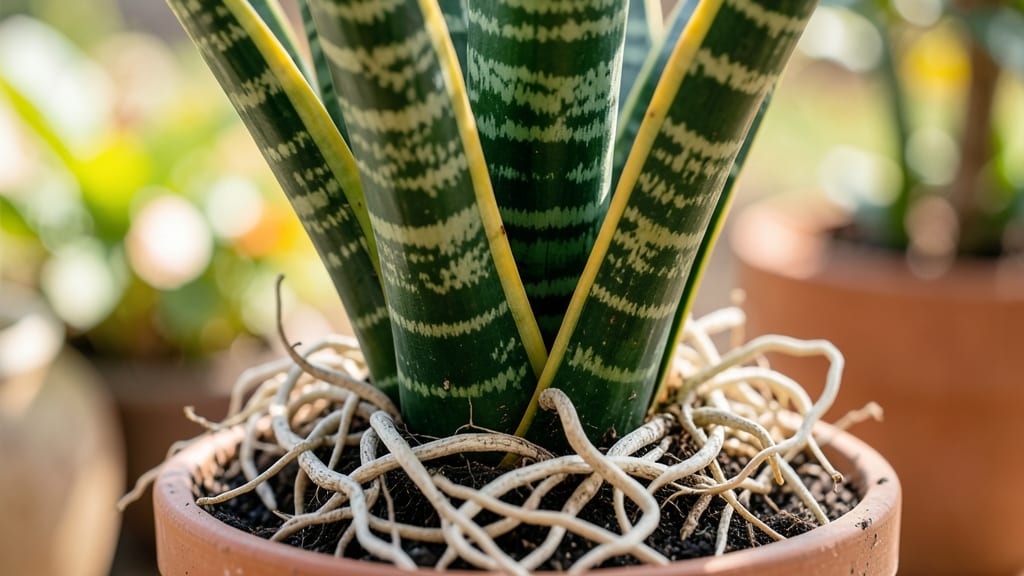
When your snake plant’s roots start circling like a tangled mess, it’s not just ugly—it’s stunting growth and choking out those lush, upright leaves. 🌱 I’ve repotted enough root-bound snake plants to know the telltale signs: soil drying in hours, roots bursting from drainage holes, or leaves that refuse to grow taller no matter how much water you give them.
The fix isn’t complicated, but timing and technique matter more than most guides admit.
Root-bound snake plants need a 2-4 inch larger pot (depending on size) and a well-draining mix that mimics their native African soil—think 60% cactus/succulent mix, 30% perlite, and 10% orchid bark. The key is gentle root teasing (no pruning unless roots are mushy) and a pot with drainage holes.
Overpotting is a common mistake—too much space means soggy roots and rot. I’ve seen gardeners double the pot size and end up with a plant that stays stunted for years.
After repotting, give it 2-4 weeks before heavy watering—your snake plant will thank you with fresh, vibrant growth within 4-6 weeks. The soil mix stays slightly drier than before, and you’ll notice roots spreading outward instead of circling.
This isn’t just about fixing a problem; it’s about giving your plant the room to thrive the way it’s meant to.
Prevent future overcrowding by checking roots every 12-18 months—if they’re circling again, it’s time to repot. And here’s the secret: snake plants grow faster in slightly snug pots than in oversized ones. Trust the process, and your plant will reward you with healthier, happier leaves for years.
Root Constraints Explained
Understanding why your snake plant becomes root bound starts with recognizing its natural growth patterns and how its environment influences them. Snake plants (Sansevieria trifasciata, also known as Dracaena trifasciata) are hardy, slow-growing succulents that thrive in tight spaces—but even they have limits.
When roots outgrow their container, the plant signals stress through stunted growth, yellowing leaves, or roots circling the pot like a tangled mess. Here’s why this happens, broken down by the most common causes:
Snake plants are not aggressive growers, but their roots still need room to explore. When a pot is too small, roots become densely packed, competing for nutrients, water, and oxygen.
This leads to: - Circular root growth: Roots spiral around the pot’s edges, restricting water uptake and nutrient absorption. - Soil compaction: Over time, the soil loses aeration, making it harder for roots to access oxygen—a critical factor for root health. - Nutrient depletion: Roots exhaust the available nutrients in the soil faster than the plant can replenish them.
Actionable insight: A general rule is to upgrade the pot size by 2–4 inches in diameter when roots fill 70–80% of the current container. For mature snake plants, this might mean moving from a 6-inch pot to an 8–10-inch one.
Snake plants are drought-tolerant, meaning they store water in their leaves and roots.
When overwatered, their roots suffocate in soggy soil, leading to: - Root rot: Fungal or bacterial infections thrive in waterlogged conditions, breaking down root tissue and blocking nutrient transport. - Reduced oxygen exchange: Roots in waterlogged soil can’t respire properly, causing them to weaken and become brittle. - Accelerated root binding: Overwatered plants grow faster (even if unhealthily), filling the pot quicker and exacerbating root-bound conditions.
Actionable insight: Ensure pots have drainage holes and use a well-draining soil mix (e.g., cactus/succulent blend with perlite or pumice). Water only when the top 2–3 inches of soil are dry—typically every 2–4 weeks, depending on humidity and light.
Even in a spacious pot, roots can become root bound if the soil lacks essential nutrients.
Snake plants require: - Nitrogen (N): Supports leaf growth but in excess can lead to soft, weak roots. - Phosphorus (P): Critical for root development and energy transfer. - Potassium (K): Helps regulate water uptake and disease resistance. - Micronutrients: Calcium, magnesium, and iron prevent deficiencies that stunt root growth.
Why it happens:
- Old soil loses fertility over time as nutrients are absorbed by the plant.
- Lack of fertilization leads to slow root growth, making the plant more susceptible to binding.
- Imbalanced soil pH (too acidic or alkaline) locks out nutrients, even if they’re present.
Actionable insight: Refresh the soil every 1–2 years or use a balanced, slow-release fertilizer (e.g., 10-10-10 or 5-5-5) 2–3 times per year during the growing season (spring/summer). A pH of 6.0–7.5 is ideal for snake plants.
Snake plants grow slowly, but their roots continue to expand even if the foliage doesn’t. Skipping repotting for 3+ years can turn a manageable plant into a root-bound nightmare.
Signs it’s time to repot: - Roots protruding from drainage holes or circling the pot’s base. - Stunted growth despite proper care (light, water, fertilizer). - Yellowing or wilting leaves, even when the soil is dry.
Why it happens:
- No room for new root growth forces the plant to reuse old, exhausted roots.
- Competition for resources leads to weaker, less efficient root systems.
- Physical stress from crowded roots triggers defensive responses, like leaf discoloration.
Actionable insight: Repot every 2–3 years or when roots fill the container. Use a pot only slightly larger (2–4 inches wider) to avoid overwhelming the plant with excess soil, which can hold too much moisture.
Pro Tip 💡: If your snake plant is severely root bound, gentle root pruning during repotting can stimulate new growth. Trim 10–20% of the oldest, most tangled roots with sterilized scissors to encourage a healthier root system.
How to Fix Root-Bound Snake Plants
Snake plants (Sansevieria) are tough, low-maintenance plants—but even the hardiest ones need a little help when their roots get cramped. If your plant’s roots are circling the pot, growing out of drainage holes, or looking like tangled spaghetti, it’s time to act.
The good news? Fixing root-bound snake plants is simpler than you think. Below, we’ll break down practical solutions based on the most common causes, plus prevention tips to keep your plant thriving long-term.
Before repotting, double-check the signs to avoid unnecessary stress on your plant:
- Roots circling the pot (visible when you gently remove it from the container).
- Slow or stunted growth despite proper care.
- Roots emerging from drainage holes or the soil surface.
- Yellowing leaves (a late sign of distress).
Pro Tip: 💡 If your snake plant is healthy but just small, it might not need repotting yet—just monitor it for 2–3 months before deciding.
Not all pots and soil are created equal. Here’s what works best for snake plants:
🏺 Pot Selection: Size and Material Matter
| Pot Type | Best For | Avoid |
|---|---|---|
| Terracotta | Fast-drying, breathable (prevents rot) | Too glossy (traps moisture) |
| Ceramic (unglazed) | Stylish + functional | Glazed pots (hold too much water) |
| Plastic | Lightweight, budget-friendly | Only if drainage holes exist |
| Fabric | Self-watering (for forgetful owners) | Needs extra airflow monitoring |
Size Rule: Go 1–2 inches larger in diameter than the current pot. A pot that’s too big will cause soil to stay soggy, leading to root rot.
🌿 Soil Mix: Light, Draining, and Airy
Snake plants hate soggy feet. Use a well-draining mix like:
- 60% potting soil (basic, not peat-heavy)
- 30% perlite or pumice (for aeration)
- 10% coarse sand or orchid bark (prevents compaction)
Avoid: Garden soil (too dense) or pure peat (retains moisture).
Ready to give your snake plant some breathing room? Follow these stress-free steps:
🔪 1. Gather Supplies
- New pot (with drainage holes!)
- Fresh soil mix
- Pruning shears (sterilized with rubbing alcohol)
- Gloves (optional, but roots can be sharp)
⏰ 2. Remove the Plant Gently
- Water the plant 1–2 days before repotting to reduce root shock.
- Turn the pot sideways and tap the edges to loosen the root ball.
- If stuck, slice the pot (ceramic/terracotta) or soak in water (plastic) to soften the soil.
🌱 3. Inspect and Trim Roots
- Healthy roots: White or light tan, firm to the touch.
- Rotten roots: Black, mushy, or smelly—snip these off with sterilized shears.
- Circling roots: Gently untangle them or trim the worst offenders.
Pro Tip: ✨ Don’t over-trim! Remove only the damaged or excessively circling parts—your plant will thank you.
🥘 4. Repot with Care
- Add a 1-inch layer of fresh soil to the new pot.
- Place the root ball centered (not buried too deep—keep the base at soil level).
- Fill in with soil, pressing lightly to secure (but don’t compact).
- Water lightly (just enough to settle the soil) and avoid heavy watering for 5–7 days.
Your snake plant is now in a happy home—but it needs TLC to recover smoothly.
🌡️ Watering: Less Is More
- First week: Let the soil dry completely before watering (skip the top layer).
- Afterward: Water only when the top 2–3 inches are dry (snake plants store water in their leaves!).
- Avoid: Overwatering (this is the #1 killer of repotted plants).
📊 Light and Temperature
- Light: Bright, indirect sunlight (a south or west-facing window is ideal).
- Temperature: Keep it above 50°F (10°C)—no drafts or AC vents!
- Humidity: Low humidity is fine (they’re desert survivors!).
💪 Encourage New Growth
- Fertilize lightly 4–6 weeks after repotting with a balanced, diluted fertilizer (½ strength).
- Avoid fertilizing if roots look stressed or the plant is still adjusting.
Once you’ve repotted, prevent future root-binding with these habits:
✅ Repot every 2–3 years (or when roots escape the pot). ✅ Use pots with drainage holes (non-negotiable!). ✅ Check roots annually during watering—early detection = less stress. ✅ Avoid over-potting—stick to the 1–2 inch rule for size upgrades. ✅ Prune old leaves to redirect energy to root growth.
Pro Tip: 🌱 Divide mature plants every few years! Snake plants produce "pups"—separate them at repotting time for free plants and happier roots.
If your snake plant:
- Drops leaves after repotting (normal for a few days, but not weeks).
- Develops brown, crispy edges (sign of underwatering or root shock).
- Smells foul or oozes liquid (root rot—act fast with fungicide).
In these cases, adjust care immediately and monitor closely. Most root-bound snake plants bounce back within 4–6 weeks with proper repotting!
Frequently asked questions
How do I know if my snake plant is truly root bound?
Look for these clear signs: roots growing out of drainage holes, circling the pot's bottom like a tangled mess, or soil drying out in just 1-2 days. Also check for stunted growth or leaves that refuse to grow taller despite proper care. Gently remove the plant from its pot—if you see roots packed tightly with no space between them, it's time to repot.
Can I repot my snake plant during winter?
It's best to wait until spring or early summer when your snake plant enters its active growth phase. Winter repotting stresses the plant since it's in dormancy. If you must repot in winter, choose a sunny spot and reduce watering significantly—your plant will recover slower than in warmer months.
What should I do with the roots I trim during repotting?
Healthy trimmed roots can be propagated! Place them in a small pot with fresh, well-draining soil and keep them in bright, indirect light. Within 4-6 weeks, they should develop new growth. Discard any black, mushy roots—these are rotten and should never be reused. Always sterilize your pruning shears between cuts to prevent disease spread.
Is it okay to use regular potting soil for my repotted snake plant?
No—regular potting soil stays too wet and can cause root rot. Snake plants need a fast-draining mix with 60% cactus/succulent soil, 30% perlite, and 10% orchid bark. This mimics their natural African habitat where water drains quickly. The mix should feel almost dry between waterings, even just an inch below the surface.
My snake plant looks fine after repotting but isn't growing. What's wrong?
This is normal! Root-bound plants often take 4-6 weeks to adjust before showing new growth. Focus on these recovery signs instead: firm leaves, healthy color, and roots spreading outward in the new pot. If no improvement after 8 weeks, check for root rot (smelly, black roots) or nutrient deficiency (yellowing leaves).