
Planting
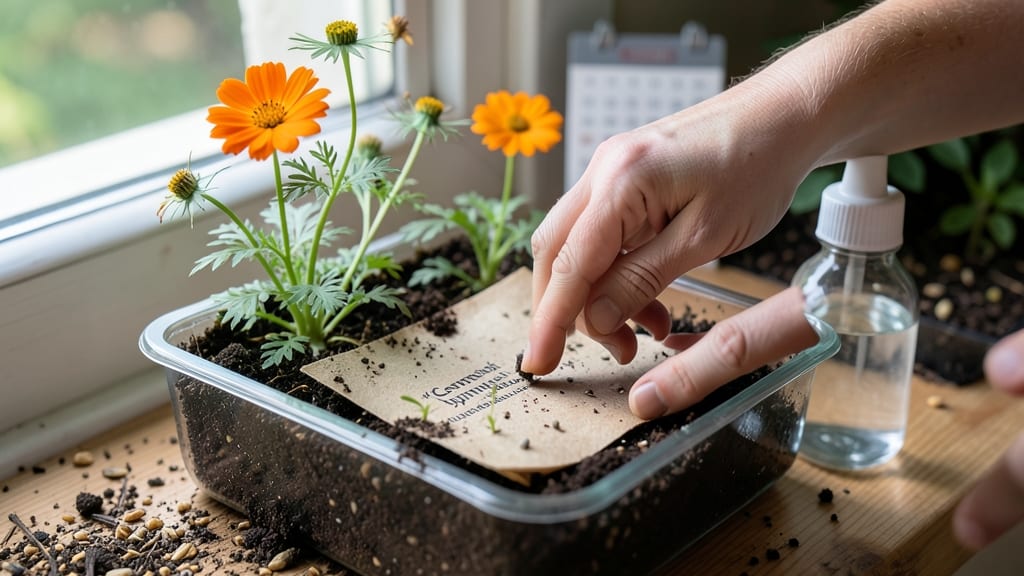
Planting wildflower seed paper is the easiest way to turn bare spots into vibrant blooms. 🌸 I’ve used these lightweight sheets in everything from garden borders to DIY gift tags, and they’re foolproof—just water and wait for magic to happen. The trick is moisture, not perfection.
Lay the paper on bare soil, press gently, and water thoroughly. No digging, no measuring—just let nature do the work. Seed paper dissolves naturally, releasing wildflowers in 2-4 weeks, depending on your climate. By late spring, you’ll have a riot of color with almost zero effort.
The blooms attract pollinators, suppress weeds, and look stunning in containers, window boxes, or even between sidewalk cracks. Works year-round in mild climates, or use it as a spring/summer project in colder zones. Here’s how to make the most of every sheet!
📚 In This Guide
- What you need
- Instructions
- Tips and common mistakes
- Wrapping up and next steps
What you need
- ● Wildflower seed paper – Choose a size that fits your space (e.g., 3"x5" or 4"x6" sheets for small areas, larger sheets for bigger zones). Opt for native wildflower blends for best results!
- ● Water – A spray bottle (for gentle moisture) or a small watering can (for larger areas). Aim for light misting to avoid displacing seeds.
- ○ Gloves (optional but recommended) – Protect your hands from dirt and seed paper residue. Lightweight gardening gloves work great!
- ● Sunlight access – A spot with at least 4-6 hours of direct sunlight daily. Wildflowers thrive where they can soak up the rays!
- ● Patience – Wildflower seed paper typically takes 2-4 weeks to germinate, depending on weather and conditions.
- ● A small rake or hoe – Lightly scratch the soil surface (¼" deep) before placing seed paper to help seeds make contact with the earth.
- ● Compost or soil activator – Mix a bit into the soil for faster germination if your area has poor soil quality.
- ● Stakes or rocks – Secure seed paper in windy areas until roots establish (usually 1-2 weeks).
- ● Mulch or straw – Lightly cover planted seed paper to retain moisture (especially in dry climates).
Step-by-step instructions for planting wildflower seed paper
Turn your seed paper into vibrant blooms with just a few simple steps—no gardening experience needed.
🌱 Step 1: Choose Your Planting Location
Wildflower seed paper thrives in full sun to partial shade, so scout your space first. A south-facing spot gets at least 6 hours of sunlight daily, while shaded areas (like under trees) work for shade-tolerant varieties. Avoid low-lying spots where water pools—seed paper needs well-draining soil to prevent rot.
If planting in containers, use pots with drainage holes and a lightweight potting mix. For ground planting, loosen the top 2 inches of soil gently with a fork or trowel to help roots establish. Press the soil down lightly—just enough to create a firm base for the paper.
💧 Step 2: Prepare the Seed Paper for Planting
Hold the seed paper over a shallow container of water (like a saucer or bowl) and let it soak for 5-10 minutes until fully saturated. This activates the seeds and ensures even moisture distribution. Don’t submerge it completely—just enough to soften the paper.
Once soaked, gently press the paper onto the prepared soil. For ground planting, lay it flat and smooth out any wrinkles with your fingers. In containers, tuck the edges slightly into the soil to keep it in place. Press lightly again to ensure full contact with the earth—this helps seeds make quick root connections.
☀️ Step 3: Water and Provide Initial Care
Give the planted seed paper a gentle misting with a spray bottle or light watering can to settle it further. Avoid heavy watering—you want the soil to stay moist but not soggy. Overwatering can wash away seeds or cause the paper to disintegrate too quickly.
Place the planted paper in a protected spot (like a shaded patio or under a temporary cover) for the first 24-48 hours. This gives seeds time to germinate without drying out. After two days, move it to its final location. You’ll see tiny sprouts in 7-14 days, depending on temperature and moisture.
✂️ Step 4: Maintain and Enjoy Your Wildflowers
Once sprouts appear, water lightly every 2-3 days—just enough to keep the soil surface damp. Wildflowers are drought-tolerant, so avoid overwatering. If planted in containers, check soil moisture by sticking your finger ½ inch deep; if dry, water until it’s evenly moist.
Deadhead spent blooms by snipping them off at the base with clean scissors to encourage more flowers. Most wildflower seed paper blooms in 6-8 weeks, but some varieties may take longer. Enjoy the zero-maintenance beauty—these plants thrive on neglect once established!
Tips & tricks for planting wildflower seed paper
Here's what I learned after planting wildflower seed paper in my own garden—and how to avoid the mistakes I made.
Location Matters: That 6 hours of sunlight is non-negotiable for most wildflower varieties. I planted mine in a spot that got only 4 hours of sun, and the blooms were sparse. Check your space with a sun tracker app for a week to be sure. If you're planting in containers, position them where they'll get the most light during the day.
Soaking Technique: The 5-10 minute soak is crucial—don't rush it! I tried a quick 2-minute dip once and the paper didn't soften enough, making it harder to press into the soil. Use lukewarm water (not hot) to prevent shocking the seeds. For larger sheets, fold them in half and soak both sides evenly.
Initial Care Secret: That 24-48 hour protected period is your best chance to prevent drying out. I learned this the hard way when my first attempt dried completely before germination. Use a simple plastic cover or even a clear plastic bag (with holes for airflow) to create a mini greenhouse effect. Remove it after two days when you see tiny sprouts.
Watering Wisdom: The "lightly every 2-3 days" rule is perfect for wildflowers, but timing matters. Water in the morning so excess moisture evaporates during the day. I noticed my evening watering led to more fungal issues. And here's a pro trick: water the soil around the edges rather than directly on the paper to prevent washing away seeds.
Pro Tips for Plant Wildflower Seed Paper
- Here's what I learned after planting wildflower seed paper in my own garden—and how to avoid the mistakes I made.
- Location Matters: That 6 hours of sunlight is non-negotiable for most wildflower varieties.
- Soaking Technique: The 5-10 minute soak is crucial—don't rush it!
Frequently asked questions
Got questions about planting wildflower seed paper? You’re not alone! Here are answers to the most common queries to help you grow a vibrant, low-maintenance garden with ease.
How long does it take for wildflower seed paper to sprout?
Most wildflower seed paper blooms appear within 6–12 weeks after planting, depending on your climate and sunlight. Early spring or fall plantings often yield faster results. Patience is key—some varieties, like cosmos or zinnias, may surprise you with quick growth!
Can I plant wildflower seed paper in winter?
Winter planting is possible in mild climates (USDA Zones 8–10), but cold snaps can delay germination. For colder regions, wait until spring (after the last frost) or opt for seed paper designed for cooler weather. A light mulch layer can protect seeds until soil warms.
What if my seed paper doesn’t bloom? Troubleshooting tips?
No blooms? Check these fixes:
- Sunlight: Ensure 6+ hours of direct sun daily—wildflowers thrive in full light.
- Watering: Keep soil consistently moist (not soggy) for the first 2 weeks.
- Soil: Amend poor soil with compost to improve drainage and nutrients.
- Patience: Some seeds take up to 3 months to germinate or bloom.
Can I use wildflower seed paper in containers or hanging planters?
Seed paper works beautifully in containers, window boxes, or hanging baskets—just ensure the pot has drainage holes. Use a lightweight potting mix and secure the paper with a thin layer of soil. For hanging planters, fold the paper gently to fit and water thoroughly.
Are there alternatives if I can’t find seed paper?
No seed paper? Try these easy swaps:
- Loose wildflower seeds: Mix with a lightweight growing medium (like coconut coir) and press into soil.
- Seed bombs: DIY clay-and-seed balls for direct planting in tough spots.
- Pre-sprouted seeds: Some nurseries sell seedling trays for instant blooms.
Wrapping up and next steps
Planting wildflower seed paper is a simple, eco-friendly way to bring vibrant color and life to your garden with minimal effort. Whether you’re transforming a balcony, windowsill, or backyard, these biodegradable sheets make it easy to grow native blooms that support local ecosystems. 🌸
Now that you’re ready to plant, take the next step by choosing a sunny spot and watching your garden flourish in weeks! Share your progress with fellow plant lovers—happy growing! 🌱