
Planting
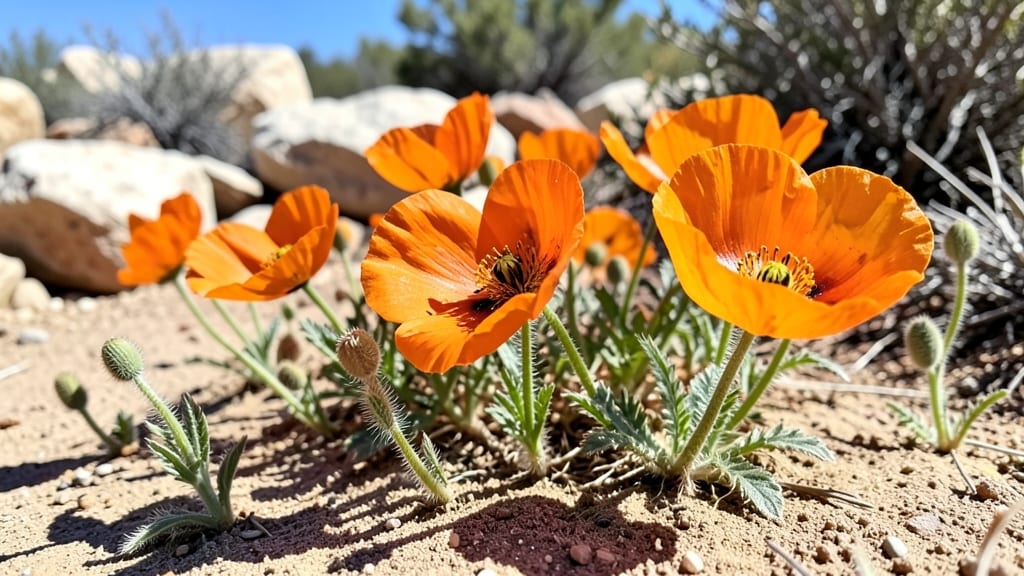
Zone 9 gardeners face unique challenges like intense sun and limited water—but these drought-resistant wildflower seeds thrive while attracting bees, butterflies, and hummingbirds. Transform your landscape into a pollinator paradise with low-maintenance, vibrant blooms that return year after year.
California Poppy Seeds for Golden Meadows
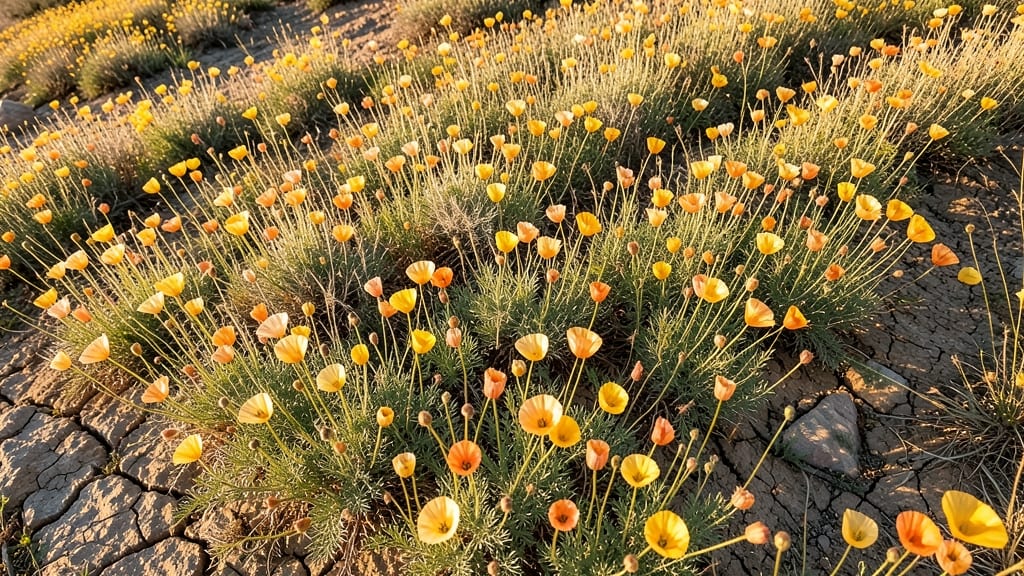
Skip the high-maintenance lawn and sow California poppy seeds instead for a golden carpet that spreads effortlessly. These native beauties thrive in Zone 9’s brutal sun and drought, blooming cheerfully with almost no care—once established, they need zero summer water. Perfect for slopes, rocky areas, or pollinator gardens where other plants wilt.
Scatter seeds in fall or early spring on bare soil, lightly raking them in—no need for tilling. The poppies self-seed aggressively, creating thicker blooms each year. They’re deer-resistant and tolerate poor soil, making them ideal for low-water landscapes or wildflower meadows. Just avoid overwatering after germination, as soggy soil can rot the delicate seedlings.
This is the ultimate zero-effort wildflower for busy gardeners or those with dry, sunny spots that seem impossible to green up. Plant a few patches now, and you’ll have golden meadows for years with almost no upkeep. 🌻
Black-Eyed Susan Vine Seeds for Vertical Gardens
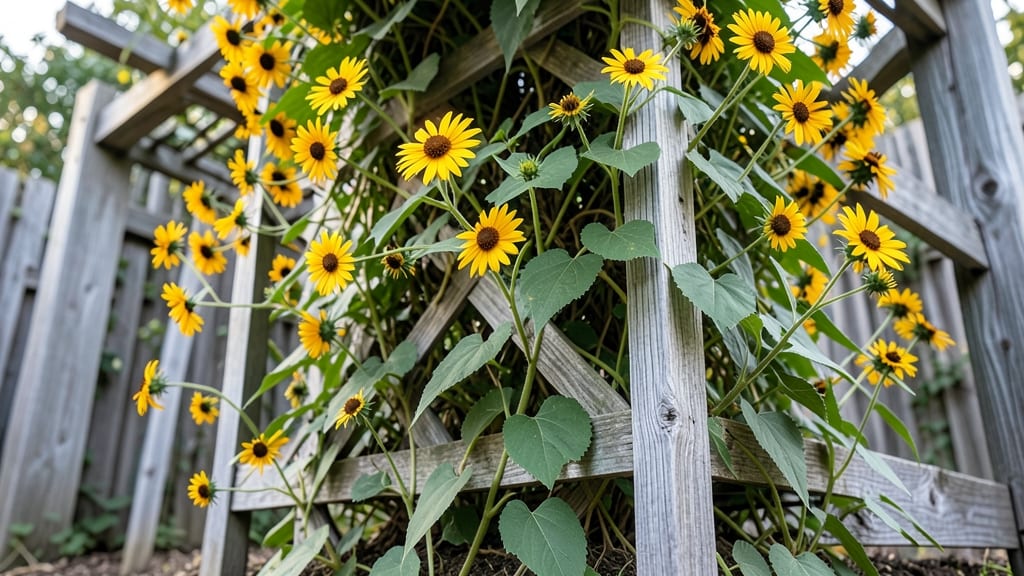
Turn your vertical space into a blooming paradise with Black-Eyed Susan Vine seeds—this drought-tolerant climber thrives even in poor soil while delivering three-season color with minimal effort. Unlike ground-hugging wildflowers, this vine grows 6-10 feet tall, making it perfect for trellises, arbors, or containers on patios and balconies.
Plant seeds directly in well-draining soil after the last frost, spacing them 12-18 inches apart. Water lightly until established, then let nature take over—this low-maintenance perennial handles full sun to partial shade and requires no fertilizer. Deadhead spent blooms to encourage continuous flowering from early summer through fall.
Urban gardeners and small-space growers will love how this vine transforms bare walls into lush, flowering displays. Plus, its pollinator-friendly blooms attract bees and butterflies without the upkeep of traditional perennials. 🌻
Mexican Sunflower Seeds for Bold Height
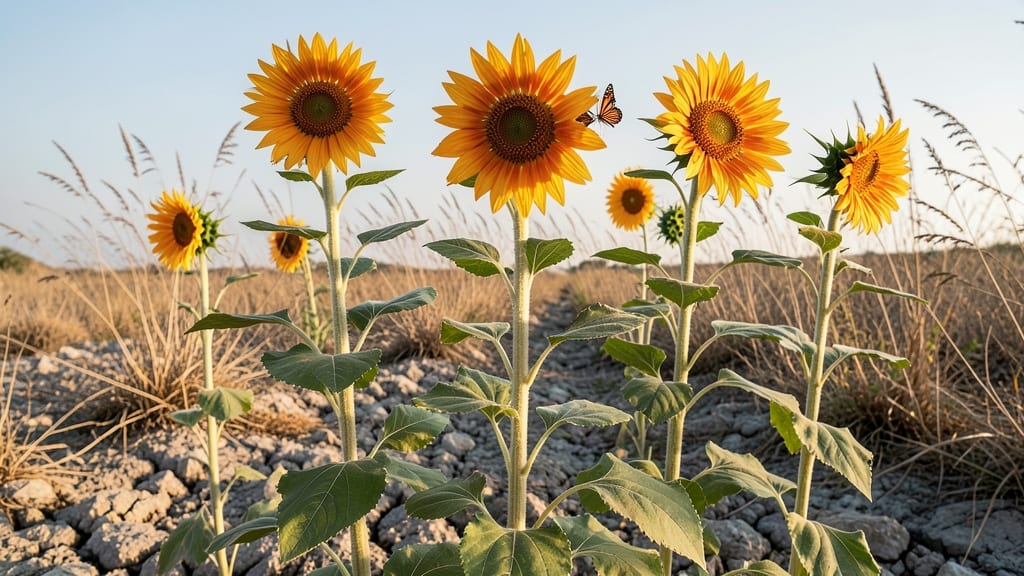
If you're craving a dramatic focal point that screams "wild prairie elegance," Mexican sunflower seeds deliver with their towering 6-8 foot stalks. These late-season bloomers thrive in Zone 9's harshest conditions—dry, rocky soil—and provide critical nectar for migrating monarchs when other flowers have faded.
Sow seeds directly in full sun after your last frost date, and watch them rocket upward in just 60-75 days. The fiery orange blooms not only feed pollinators but also make stunning cut flowers that last 2+ weeks in vases. Deadhead spent blooms to encourage continuous flowering until frost. This is the perfect cut-and-come-again plant for cottage gardens or borders.
Ideal for gardeners who want height without fuss, these sunflowers require minimal care once established. Their drought tolerance makes them perfect for water-wise landscapes, while their bold presence adds vertical drama to any design. 🌻
Blue Porterweed Seeds for Hummingbird Magnets
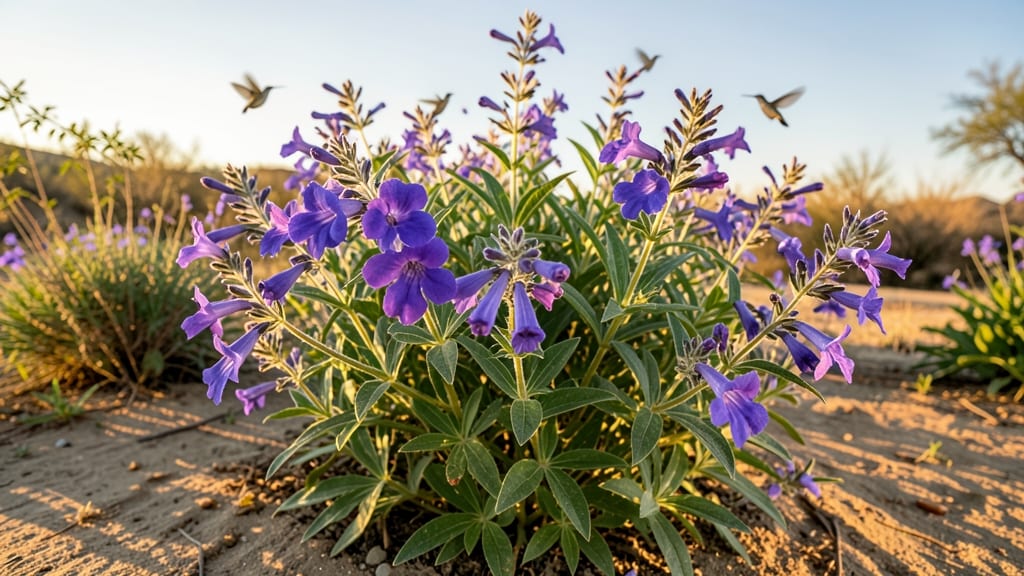
If you want hummingbirds to become regular visitors to your Zone 9 garden, blue porterweed (Stachytarpheta jamaicensis) is your secret weapon. This native Texas beauty thrives in your climate, producing tubular purple blooms that hummingbirds can't resist—especially in late summer and fall when nectar sources dwindle.
Once established, this drought-proof perennial requires almost no water after rooting, making it ideal for sunny, dry beds or rocky slopes. It’s also deer-resistant, so you won’t have to worry about hungry critters munching it down. For best results, sow seeds directly in well-drained soil after the last frost, spacing them about 12 inches apart to allow for bushy growth.
Perfect for pollinator gardeners, urban landscapes, or even container gardens, blue porterweed adds vibrant color while supporting local wildlife. Plant it near windows or seating areas to enjoy the hummingbird show up close! 🌟
Lantana Seeds for Butterfly Superhighways
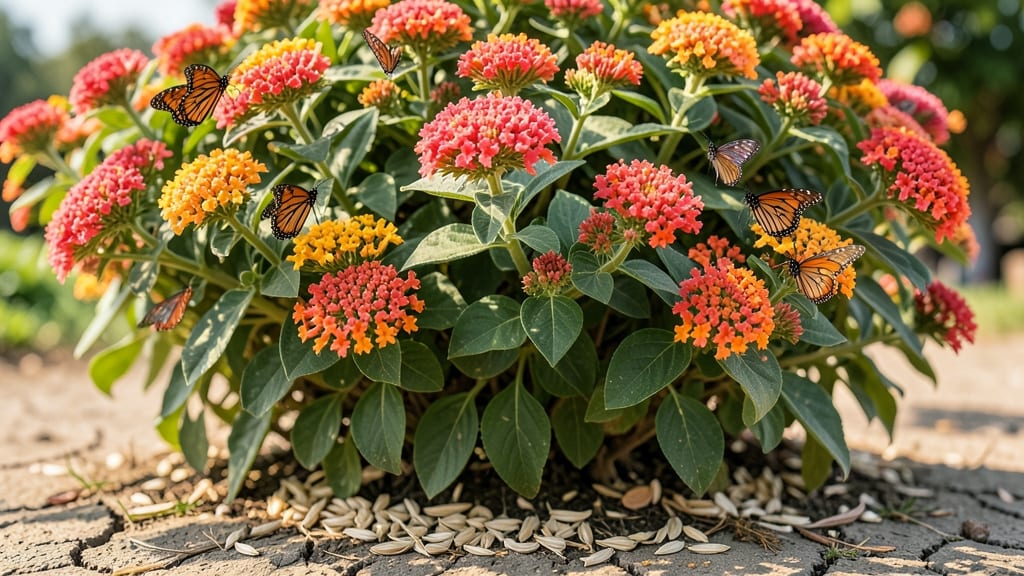
Turn your Zone 9 garden into a butterfly magnet with lantana seeds, the ultimate heat-loving annual that blooms continuously from spring until frost. Unlike other wildflowers, lantana thrives in poor soil and requires no irrigation after rooting—making it perfect for xeric landscapes where water conservation is key.
This hardy plant produces clusters of brightly colored flowers in shades of yellow, orange, pink, and purple, luring monarchs, swallowtails, and other butterflies in every stage of their lifecycle. Simply scatter seeds in full sun, water lightly until established, and watch your garden transform into a buzzing, fluttering paradise with minimal effort. 🌻
Ideal for urban gardeners, drought-prone areas, and pollinator enthusiasts, lantana delivers year-round color without the fuss of regular watering or high-maintenance care. It’s the perfect addition to borders, containers, or even rocky slopes where other plants struggle. 🌟
Desert Marigold Seeds for Year-Round Color
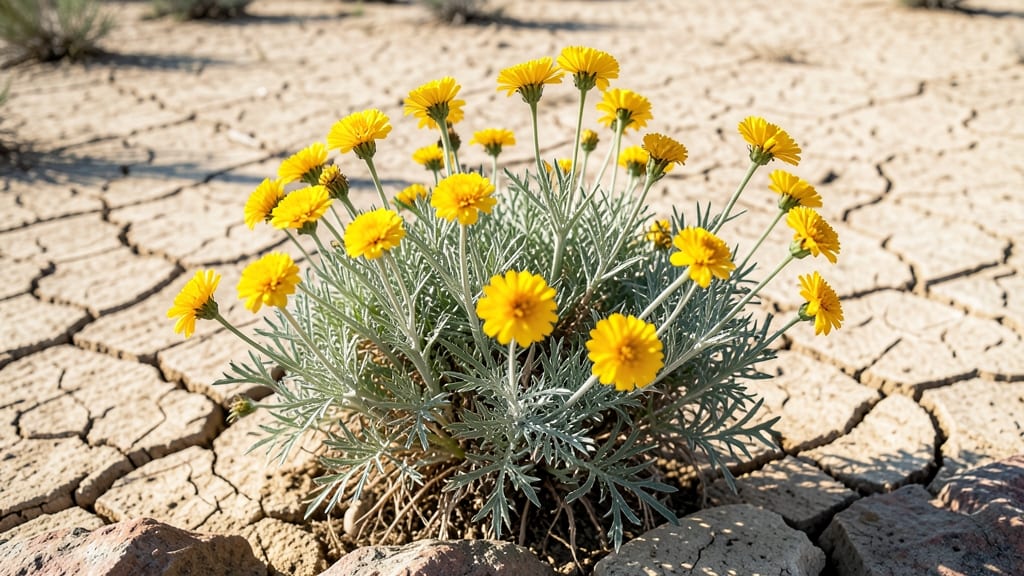
When most Zone 9 gardens are asleep in winter, desert marigold (Baileya multiradiata) bursts into cheerful golden-yellow blooms, defying seasonal norms. This evergreen perennial thrives in full sun and requires no supplemental water after establishment, making it the ultimate low-maintenance choice for arid climates.
Unlike its annual cousins, desert marigold blooms winter through spring, providing vital late-season nectar for bees when few other flowers are available. Plant seeds directly in well-draining soil in fall for spring blooms, or scatter them in spring for summer color. Its semi-evergreen foliage stays attractive even between blooms, adding texture to dry gardens.
Perfect for rock gardens, slopes, or pollinator patches, this plant offers year-round interest with almost no effort. Ideal for gardeners who want color without the water bill—or those seeking to support pollinators year-round. 🌻
Blanket Flower Seeds for Long-Lasting Blooms
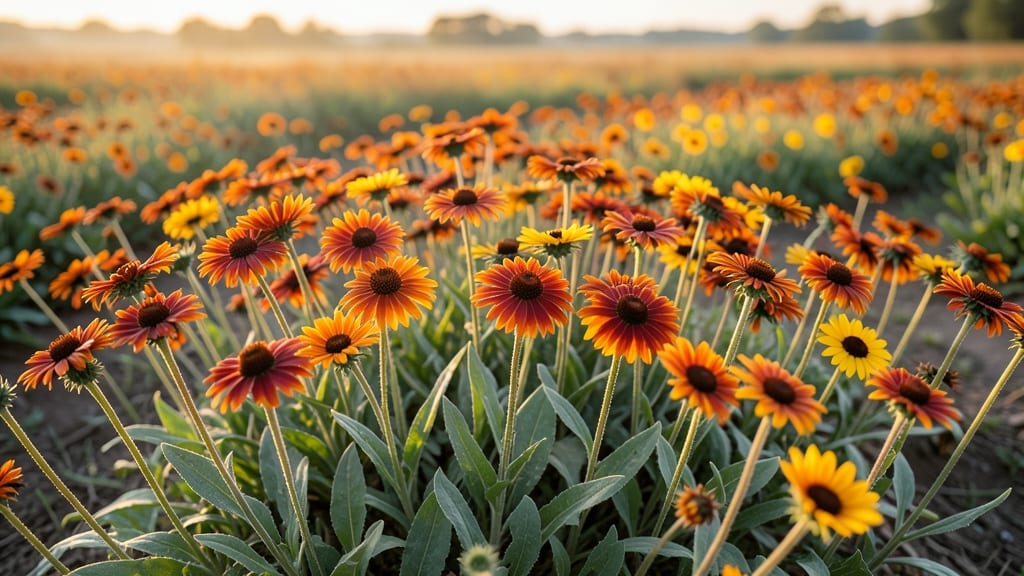
Tired of wildflowers that fade by early fall? Blanket flower (Gaillardia) is your secret weapon for season-long color—its cheerful daisy-like blooms appear in late spring and keep going until the first frost. Unlike many annuals, this drought-resistant perennial thrives on neglect, making it perfect for busy gardeners or water-restricted areas.
Plant seeds in full sun (they tolerate up to 6 hours of shade) and watch them self-seed into lush meadows over time. The red-orange blooms attract bees, butterflies, and hummingbirds, while their deep taproots make them resilient against dry spells. Deadhead spent blooms to encourage more flowers, but don’t worry—even without pruning, they’ll bounce back year after year.
This is the ideal choice for pollinator gardens, rock gardens, or wildflower meadows where you want low-maintenance beauty. Once established, blanket flower needs almost no watering, letting you enjoy vibrant blooms without the upkeep. 🌻
Goldenrod Seeds for Late-Season Pollinators
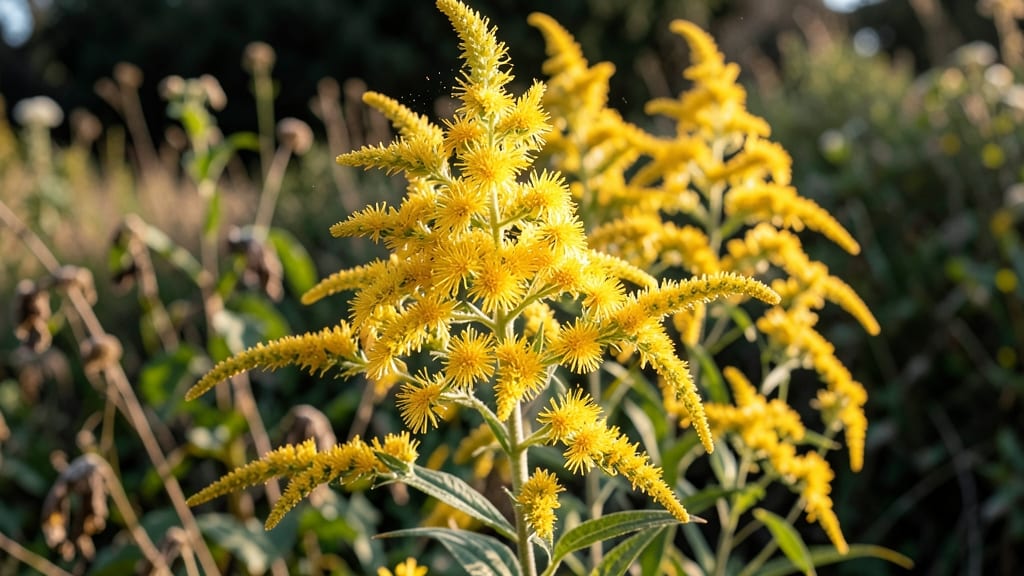
Don’t let myths about goldenrod’s allergens fool you—this late-season superstar is a lifeline for bees when most gardens have gone quiet. While ragweed (the real culprit behind fall allergies) blooms invisibly, goldenrod’s bright plumes feed pollinators from August through frost, turning your garden into a buzzing hotspot.
Sow goldenrod seeds in early spring or fall for self-sustaining blooms that thrive in poor, rocky soil and require no summer water once established. Pair it with asters for a two-month color extension, or let it naturalize in wild meadows where it attracts monarchs and native bees. The feathery seed heads also add winter interest—no deadheading needed!
Perfect for low-maintenance gardeners and pollinator advocates, goldenrod proves that beauty and function go hand-in-hand. Plant a patch and watch your garden stay alive with activity long after summer’s over. 🌟
Mexican Feather Grass Seeds for Ornamental Texture
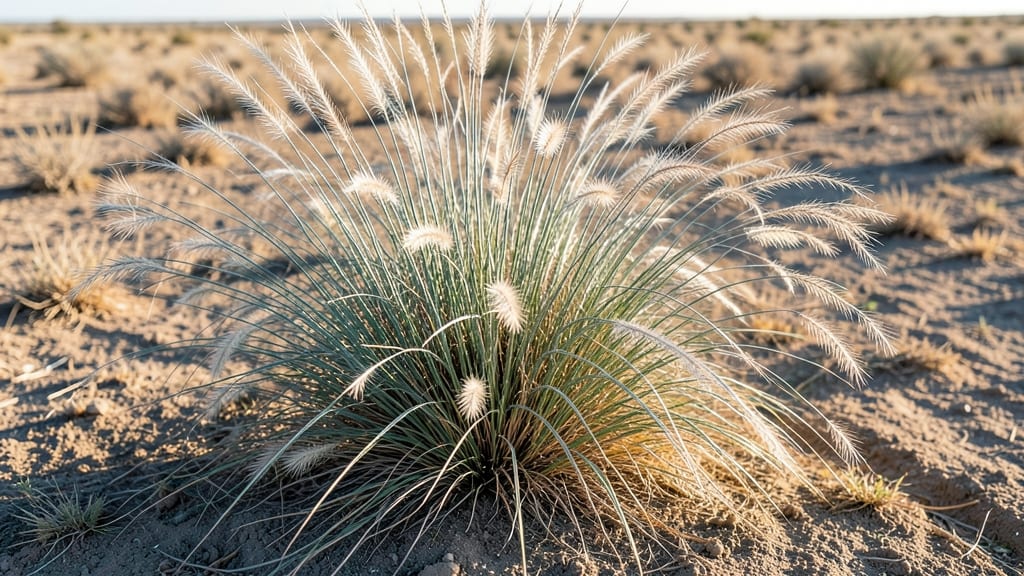
Skip the traditional grass—Mexican feather grass (Nassella tenuissima) brings delicate, feathery plumes that dance in the breeze, adding movement and texture to dry gardens without needing water once established. Unlike its thirsty counterparts, this plant thrives in full sun with minimal care, making it perfect for water-wise landscapes.
Plant seeds in late winter or early spring for a summer display of airy seed heads that persist through fall. Its deer-resistant nature and drought tolerance mean fewer worries about maintenance or pests. Pair it with wildflowers like blanket flower or California poppy to create a layered, dynamic look that catches light beautifully.
This is the ideal choice for gardeners who want low-maintenance structure without sacrificing beauty. It’s especially great for rock gardens, borders, or containers where you want to add height and softness without fuss. 🌻
Arizona Poppy Seeds for Fast-Growing Color

If you're craving instant color in your Zone 9 garden without waiting months, Arizona poppy seeds deliver in record time. These cheerful orange bloomers sprout in just 5 days and burst into flower within 6 weeks, making them the ultimate fast-track to a vibrant landscape.
Plant them in full sun on well-draining soil, and they'll thrive with minimal water—ideal for rocky or sandy areas where other plants struggle. The real magic? They self-seed prolifically, creating a natural ground cover that multiplies each year. Perfect for beginners or busy gardeners, these poppies need almost no maintenance once established.
This is the easiest wildflower to grow for quick results and effortless pollinator support. 🌻