
Planting
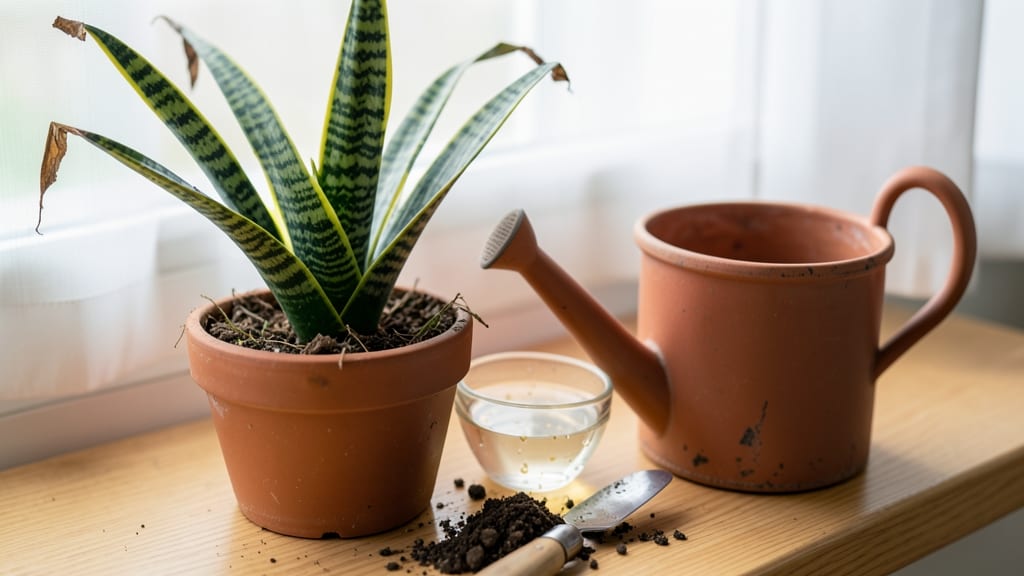
That drooping plant isn't a lost cause—reviving a wilted plant starts with a quick check of its roots and environment. 🌱 I've brought back more than a few "almost dead" plants by following these simple steps, and you can too.
The key is identifying whether it's thirsty, drowned, or struggling with something deeper.
First, check the soil moisture with your finger—if it's bone dry, water deeply until it drains from the bottom. If it's soggy, let it dry out completely before repotting in fresh, well-draining mix.
Overwatering kills more plants than underwatering, so don't skip this step. A quick trim of yellowed leaves also helps redirect energy to recovery.
Within 24-48 hours, you'll see the first signs of revival as leaves perk up and regain their color. Keep the plant in bright, indirect light and avoid overwatering again. Most plants bounce back if you catch the issue early—just give them time and consistent care.
If the stems feel mushy or roots smell rotten, it might be too late. But for 90% of wilting cases, these quick fixes work wonders. Trust the process, and your plant will be back to thriving in no time.
📚 In This Guide
- What you need
- Instructions
- Tips and common mistakes
- Wrapping up and next steps
What you need
- ● Water: Room-temperature, clean water (avoid tap water with high chlorine—let it sit for 24 hours if needed). Quantity: Enough to fully soak the plant’s root zone (typically 1–2 cups for small plants, up to a gallon for larger ones).
- ● Pruning shears or sharp scissors: Sterilized tools to trim dead or damaged leaves/stems. Specs: Small, sharp blades (e.g., Felco pruners or clean kitchen scissors in a pinch).
- ● Well-draining potting mix: Fresh, nutrient-rich soil or a mix designed for your plant type. Quantity: Enough to refill the pot (check the plant’s tag for type—e.g., cactus mix vs. African violet mix).
- ● Container with drainage holes: A pot slightly larger than the current one (if repotting). Note: Ensure it has holes to prevent root rot!
- ○ Hydrogen peroxide (3%) or fungicide: Optional but helpful for root rot or bacterial issues. Quantity: 1–2 tablespoons per gallon of water for a mild solution.
- ● Rooting hormone: Speeds up recovery for severely damaged roots (e.g., powder or gel).
- ● Misting spray bottle: For humidity-loving plants (e.g., ferns, calatheas).
- ● Plant food or fertilizer: A diluted liquid fertilizer (e.g., 10-10-10) to boost recovery after reviving.
- ● Peat moss or perlite: Amendments to improve soil aeration if repotting.
- ● Grow lights or sunny windowsill: Extra light for weak or recovering plants.
Step-by-Step instructions for reviving a wilted plant
Here's the fast, foolproof method I use to bring wilting plants back to life in hours.
💧 Step 1: Check the Roots and Soil First
Gently remove the plant from its pot to inspect the roots. If they're mushy and black, the plant is likely beyond saving. But if they're firm and white or pale yellow, you're in luck—this is a simple moisture fix. I always start by checking the soil moisture level with my finger. If it feels dry or crumbly, that's your first clue.
For potted plants, run a finger 1-2 inches deep into the soil. If it's bone dry, you've got a quick watering job ahead. If it's damp but the plant is still wilting, the issue might be root-bound or overwatering. Here's the thing—don't water immediately if the soil feels soggy. Instead, let it dry out slightly first to prevent root rot.
☀️ Step 2: Adjust Light and Water Immediately
Move the plant to a spot with bright, indirect light right away. Direct sunlight can stress a plant that's already struggling, while too little light keeps it from recovering. I like to place mine near an east-facing window where they get morning sun without harsh afternoon rays.
Water deeply but carefully. For most plants, this means pouring water until it runs out the drainage holes. Wait 10-15 minutes after watering to let the soil absorb moisture evenly. You'll see the plant perk up within 30 minutes to a few hours if the wilting was just due to thirst. If not, we'll move to the next step.
🌱 Step 3: Trim Damaged Leaves and Improve Airflow
Use clean, sharp scissors to snip off any leaves that are completely brown or crispy. These leaves are dead weight and won't recover, but they can also attract pests. I always make cuts at a 45-degree angle just above a leaf node to encourage new growth. Never tear leaves—they leave jagged edges that invite disease.
Next, improve airflow around the plant. Crowded leaves or nearby plants can trap moisture and slow recovery. If your plant is in a pot, give it some space by moving nearby plants away. For houseplants, I often place a small fan on low setting nearby to gently circulate air without damaging the plant.
⏰ Step 4: Monitor and Adjust Care Routine
Keep a close eye on the plant for the next 24-48 hours. If it's still wilting, the problem might be more serious—like root rot or pests. Check the soil again after a day. If it's dry at the surface but still damp below, you're watering too lightly. Water should penetrate to the bottom of the pot to encourage deep root growth.
Real talk: If the plant doesn't perk up within 48 hours, it might need more drastic action. For root-bound plants, I gently loosen the roots and trim any that are circling. Then, I repot with fresh soil. This gives the roots room to breathe and access new nutrients. Don't skip this—wilting plants often outgrow their pots without you noticing.
Tips & tricks for reviving wilted plants
Here's what nobody tells you about plant resuscitation—these tricks saved my own struggling greens.
Root Inspection Secret: When checking roots in Step 1, look for a third color clue: pale green roots mean the plant is still salvageable but needs immediate attention. I've revived plants with just this stage by combining proper watering with a light fertilizer dose. The key is acting within 24 hours of noticing the pale green—after that, root damage becomes permanent.
Light Position Matters: In Step 2, east-facing windows are ideal, but north-facing works too if you don't have east exposure. The critical factor is avoiding direct afternoon sun (1 PM-4 PM) which can scorch already stressed plants. I keep my revived plants about 2 feet from the window—close enough for light but not so close they get sunburned. For indoor plants without windows, a grow light on a 12-hour cycle works wonders.
Pruning Technique: When trimming damaged leaves in Step 3, focus on removing only the completely brown or crispy leaves—healthy leaves that just look wilted will recover. I use a clean pair of scissors and make cuts just above a leaf node (where new leaves grow) at a 45-degree angle. This encourages new growth while keeping the plant's energy focused on recovery. Never remove more than 25% of the foliage at once—this stresses the plant further.
Monitoring Hack: After the initial 24-48 hour recovery window in Step 4, I check for three signs of improvement: leaves that stand upright, new growth at the tips, and soil that stays moist but not soggy. If you don't see these within 48 hours, the plant might need the repotting step mentioned—don't wait too long to address root-bound issues.
Pro Tips for Revive A Wilted Plant
- Here's what nobody tells you about plant resuscitation—these tricks saved my own struggling greens.
- Root Inspection Secret: When checking roots in Step 1, look for a third color clue: pale green roots mean the plant is still salvageable but needs immediate attention.
- Light Position Matters: In Step 2, east-facing windows are ideal, but north-facing works too if you don't have east exposure.
Frequently asked questions
Got questions about bringing your droopy greens back to life? You’re not alone! Here are answers to the most common queries about reviving wilted plants—so you can skip the guesswork and get straight to action.
Can I revive a plant that’s been wilted for days?
If the plant is still slightly pliable and the soil isn’t bone-dry or moldy, there’s hope! Trim any mushy leaves, adjust watering, and move it to indirect light. For severely wilted plants (like crispy stems), check for root rot—if roots are black/mushy, it’s likely too late. Act fast but don’t force it!
How often should I water a wilted plant after reviving it?
Start with a deep soak (until water drains from the bottom), then wait until the top 1–2 inches of soil feel dry before watering again. Overwatering is a top killer—stick your finger in the soil to test! Most plants prefer consistency over daily sips. Adjust based on your plant type (succulents need less; ferns need more).
Will pruning help a wilted plant recover faster?
Pruning removes stressed leaves, redirecting the plant’s energy to recovery. Snip off yellow, brown, or mushy leaves at the base with clean scissors. For woody plants, trim back dead branches to encourage new growth. Just avoid cutting more than 1/3 of the foliage at once—think of it as a spa day, not a haircut!
What if my plant keeps wilting after I fix the watering?
Check for hidden issues: pests (like spider mites), disease (powdery mildew), or root-bound roots. Gently inspect leaves/stems for bugs or spots. If the plant’s pot is tiny or roots circle the bottom, it’s time to repot with fresh soil. Sometimes, wilting signals a need for fertilizer—try a diluted, balanced feed every 4–6 weeks.
Are there any “emergency” tricks for instant revival?
For a quick fix, try these hacks:
- Hormone spray (like rooting hormone) on cuttings to boost growth.
- Humidity boost: Place the pot on a tray of pebbles with water or use a plastic bag (ventilated!) to trap moisture.
- Epsom salt soak (1 tsp per gallon of water) for magnesium-deficient plants.
Wrapping up and next steps
Reviving a wilted plant doesn’t have to be a stressful task—just a little care and attention can bring it back to life! 🌱 Whether it’s adjusting light, trimming dead leaves, or giving it a refreshing drink, these quick fixes work wonders.
Remember, even the most droopy plants can bounce back with the right approach.
Now that you’re armed with these tips, take action today! Start with one plant and observe how it responds—you’ll be amazed at the difference. Happy gardening, and may your green thumbs stay ever-so-green! 🌿